
Roof Cleaning Guide: Safe Methods for Every Roof Type
Professional roof cleaning for asphalt shingles, tile, metal, cedar shake, and flat roofs. Safety-first approach, proper techniques, and when to call professionals.
The Most Important Rule
Never pressure wash asphalt shingles. Pressure destroys the granule coating that protects shingles from UV damage and water intrusion. The roof might look clean but will fail years early. Soft wash only—chemical treatment at low or no pressure. This is non-negotiable.
Different roof materials require different approaches, but the universal rule remains: roof cleaning is more about chemistry than pressure. The pressure washer in this situation becomes a tool for rinsing only, not cleaning.
Key Takeaways
- NEVER pressure wash asphalt shingles — Destroys protective granules, shortens roof life by years
- Soft wash asphalt shingles only — Low pressure (under 1,000 PSI) with chemicals
- Fall prevention is critical — Work with safety harness, spotter, secure footing
- Know when to call a pro — If you're uncomfortable with heights, hire someone
- Chemical selection matters — Wrong cleaners void warranties and damage roofing
Understanding Roof Types
Asphalt Shingles
The most common roofing material in residential homes. Shingles consist of a fiberglass mat coated with asphalt and covered with granules that protect against UV and water damage. They last 15-25 years if maintained.
Asphalt shingles develop black streaks (algae), moss growth (shaded areas), and oxidation (age-related discoloration). The temptation to pressure wash is strong—it looks like it would work. Don’t do it. Pressure removes the protective granules, causing premature failure.
Safe Cleaning Approach: Soft wash only. Apply chemical solution to kill algae and moss. Let it work for 20-30 minutes. Gentle rinse only—white nozzle, under 1,000 PSI, keep distance 12+ inches. Many professionals use zero pressure, relying on gravity and a hose nozzle for rinsing.
Tile Roofs
Clay or concrete tiles are durable, last 50+ years, and handle pressure better than asphalt. Tiles develop moss, algae, and staining in shaded areas. They can be pressure washed safely but chemical treatment is still better.
Safe Cleaning Approach: Soft wash preferred (safer, better results). If pressure washing, stay under 2,500 PSI, use white nozzle, keep distance 12+ inches. Watch for loose tiles that might come off with pressure.
Tile roofs are heavy. Contractors working on tile need proper equipment and safety gear. The risk comes from loose tiles shifting and falls, not from pressure damage.
Metal Roofs
Standing seam or metal shingles are durable, lightweight, and relatively easy to clean. They resist damage from pressure and chemicals better than other materials. Metal roofs develop paint oxidation (chalking), rust (around fasteners), and algae staining.
Safe Cleaning Approach: Pressure wash at 2,000-3,000 PSI is acceptable. Soft wash is still better for longevity. Avoid pressure directly at seams or fasteners to prevent leaks. Pay attention to rust spots—oxalic acid treatment prevents progression.
Cedar Shake Roofs
Cedar is beautiful, expensive, and requires gentleness. Shakes absorb moisture and are susceptible to rot and insects. They develop moss and algae in humid climates, especially on the north side or shaded areas.
Critical Point: Cedar shake roofs are often historic or premium installations. Check manufacturer recommendations before cleaning. Many manufacturers require professional cleaning to maintain warranty.
Safe Cleaning Approach: Soft wash only, under 500 PSI if pressure is used at all. Many professionals use zero-pressure rinsing—just gravity and the hose. Let chemicals (low bleach concentration) dwell 20+ minutes. Cedar requires post-cleaning treatment: often a breathable sealant or oil-based preservative.
Flat and Low-Slope Roofs
Commercial or modern residential flat roofs are typically single-ply membrane, tar and gravel, or modified bitumen. These are more forgiving than shingles but still require care.
Safe Cleaning Approach: Pressure wash at 1,500-2,000 PSI acceptable. Soft wash is better. Avoid high pressure near drains, seams, or penetrations. Chemical treatment works well for algae and moss removal. After cleaning, consider a protective coating.
Roof Contaminants and Removal
Black Streaks (Algae)
Usually caused by Gloeocapsa Magma, a blue-green algae that grows in shaded areas and moist climates. It doesn’t damage the roof but looks terrible and indicates moisture problems. Roofs in humid climates (Florida, Gulf Coast, Pacific Northwest, Southeast) see this constantly.
Chemical treatment kills algae. Use 1-1.5% sodium hypochlorite (bleach) solution with surfactant. Apply, dwell 20-30 minutes, gentle rinse. Algae will die and eventually wash away in rain. It doesn’t require aggressive pressure—chemistry does all the work.
To prevent regrowth, trim trees to increase sunlight exposure, improve attic ventilation, and clean gutters regularly so water flows freely.
Moss
Moss is tougher than algae because it has root-like structures (rhizoids) that grip the roof. It thrives in shade and moisture. Moss indicates the roof is damp consistently—a larger problem than just appearance.
Chemical treatment is essential. Sodium hypochlorite kills moss, but oxalic acid is often more effective because it’s gentler on roofing materials. Moss treatment requires 24-48 hours of dwell time. Apply chemical, let it sit, and allow moss to naturally decay. It may take a week for moss to fully disappear.
Physical removal (manually pulling moss) accelerates results but damages shingles. Don’t use scrapers or brushes on asphalt—you’ll dislodge granules.
Address underlying moisture. Trim trees, improve drainage, increase attic ventilation, and ensure gutters are clear.
Lichen
Orange, gray, or white crusty patches that develop slowly over years. Lichen is actually a fungal-algae symbiotic organism. It’s stubborn but responds to chemical treatment. Same approach as algae but with longer dwell time (24-48 hours).
Oxidation and Discoloration
Asphalt shingles naturally fade and oxidize from UV exposure. This is cosmetic, not a structural issue. You can slow it with protective coatings applied after cleaning. Bleach has minimal effect on oxidation—accept that discoloration is normal aging.
For tile and metal roofs, oxidation is chalking (powdery residue). Oxalic acid-based brighteners remove it. Apply after the main bleach wash.
Chemical Selection and Safety
- Sodium hypochlorite (bleach): 1-1.5% final concentration maximum for asphalt shingles. Higher concentrations damage shingles unnecessarily.
- Oxalic acid: Excellent for moss and lichen. Mix 4-8 ounces per gallon. Gentler on roofing than bleach.
- Zinc sulfate: Some specialized roof cleaners contain this for algae prevention. Follow product directions carefully.
- Always read manufacturer warranty: Some roofing materials have specific chemical restrictions. Wrong chemicals void warranty.
Apply chemicals by spray or downstream injection. Let them dwell without drying. For asphalt shingles, avoid walking on the roof during treatment—shingles are slippery and chemicals may reduce traction further.
Safety: The Non-Negotiable Part
Fall Prevention
Falls are the primary danger in roof cleaning. You must use proper safety equipment:
- Roof harness rated for the work
- Secure anchor point (main roof structure, not gutters or vents)
- Rope or lanyard properly rated
- Non-slip shoes with good traction
- Hard hat to protect from falls or flying debris
A spotter on the ground is essential. If you’re uncomfortable at heights, don’t work on roofs. Hiring a professional is the right choice—they have proper equipment and insurance.
Ladder Safety
Ladders are how you access the roof. Proper placement is critical:
- 4:1 ratio (4 feet of ladder height for every 1 foot of distance from wall base)
- Someone spotting you
- Three-point contact at all times (two hands, one foot or two feet, one hand)
- Never step on the top two rungs
- Never reach beyond arm’s length—reposition the ladder
If you’re uncomfortable on ladders, hire someone. The risk isn’t worth it.
Weather Conditions
Never work on roofs in:
- Rain or wet conditions (slipping hazard)
- High wind (increased fall risk, chemical drift)
- Extreme heat (heat exhaustion, chemicals dry too fast)
- Freezing temperatures (ice risk, chemicals ineffective)
Early morning or late afternoon, calm conditions, mild temperatures (60-75°F) are ideal.
Roof Cleaning by Type: Step-by-Step
Asphalt Shingles
Inspect: Check for loose shingles, damage, and previous repairs. Note algae and moss severity.
Safety Setup: Harness, rope, anchor point, spotter on ground. Non-slip shoes. Hard hat.
Preparation: Identify drainage areas. Plan where rinse water goes. Cover or protect anything below that could be affected.
Chemical Application: Mix 1-1.5% sodium hypochlorite with surfactant. Spray from bottom toward peak, using a low-pressure sprayer (no pressure washer nozzle—use the spray nozzle setting on a pump sprayer or low-pressure hose). Dwell 20-30 minutes. Keep it wet; mist if drying.
Rinse: Switch to white nozzle, under 1,000 PSI (many professionals use zero-pressure gravity rinse). Start at peak, work toward eaves. Gentle flow only. Ensure all chemical is removed.
Post-Treatment: Let roof dry completely (24-48 hours) before walking on it or doing other work. Monitor weather for rain the first week—you want chemical fully effective before weather disrupts it.
Tile Roofs
Safety: Same as asphalt (harness, rope, spotter, helmet).
Inspection: Check for loose, cracked, or missing tiles.
Chemical Application: Soft wash with 1-1.5% sodium hypochlorite. Dwell 20-30 minutes. For moss, oxalic acid is excellent (4 ounces per gallon, 24-48 hour dwell).
Rinse: 2,000-2,500 PSI acceptable, white nozzle, keep distance 12+ inches. Avoid pressure directly at tile seams or under edges where it could get trapped.
Post-Treatment: Check that water drains properly. Some tile roofs have slow drainage; ensure rinse water doesn’t pool.
Metal Roofs
Safety: Required same as other types.
Inspection: Check seams, fasteners, rust spots, and paint condition.
Chemical Application: 1-1.5% sodium hypochlorite for algae. For rust, apply oxalic acid directly to rusty spots (8 ounces per gallon). Dwell 15-20 minutes.
Rinse: 2,000-3,000 PSI white nozzle. Avoid direct pressure at seams (could cause leaks) or over fasteners. Work methodically from peak to eaves.
Post-Treatment: If rust is present, consider a rust-preventive coating. Metal roofs can develop rust that spreads if not treated.
Cedar Shakes
Check Warranty: Many cedar roof warranties require professional cleaning. Do this before cleaning.
Safety: Standard fall prevention required.
Inspection: Check for rot, split shakes, and insect damage. Cedar assessment is important—cleaning a failing cedar roof is risky.
Chemical Application: Very low bleach (0.5-1% only) or oxalic acid preferred. Dwell 20+ minutes. Zero-pressure or sub-500 PSI rinsing only. Many professionals use gravity rinse (hose nozzle, no pressure).
Post-Treatment: Cedar requires preservative treatment after cleaning. This is not optional—untreated cedar deteriorates quickly. Apply breathable sealant or cedar oil per manufacturer specification.
Flat and Low-Slope Roofs
Safety: Work with stable footing and non-slip shoes. Harness if working at edges.
Inspection: Check for membrane damage, water pooling, drain functionality.
Chemical Application: 1-1.5% sodium hypochlorite. Dwell 15-20 minutes.
Rinse: 1,500-2,000 PSI, work water toward drains. Ensure water actually flows (some flat roofs have poor drainage). Avoid excessive water pooling.
Post-Treatment: Check that drains work properly. Consider protective coating after cleaning.
Common Problems and Solutions
Algae Returns Quickly
Underlying moisture issue. Trim trees for sunlight, improve gutters and drainage, increase attic ventilation. On second cleaning, consider adding a zinc sulfate component (algae preventative) to the chemical mix if the roof type allows.
Shingles Damaged After Cleaning
Pressure was too high or technique was wrong. Professional assessment needed to determine extent. If damage is significant, shingle replacement may be necessary. This reinforces: never pressure wash asphalt shingles.
Gutters Overflow or Water Doesn’t Drain
May be gutter blockage coinciding with cleaning, or poor roof slope. Clean gutters before roof cleaning. Check that water flows freely. If water doesn’t drain properly after cleaning, the problem existed before—not caused by cleaning.
Streaks or Uneven Results
Incomplete coverage or uneven chemical application. Reapply chemical more thoroughly and ensure even dwell time. Rinse more thoroughly. Sometimes the debris pattern on the roof creates the appearance of streaks when it’s actually original contamination.
Prevention and Maintenance
Most roofs benefit from cleaning every 2-3 years in humid climates, 3-5 years in dry areas. Preventive maintenance:
- Trim trees to increase sunlight
- Keep gutters and downspouts clear
- Ensure proper attic ventilation
- Check for water pooling or drainage issues
- Inspect after storms for damage
- Address algae/moss early before heavy growth develops
Some homeowners apply zinc sulfate or algae-preventative roof treatments after cleaning to extend the interval between cleanings.
When to Hire a Professional
Most people should hire a professional for roof cleaning. Reasons:
- Height fear: Legitimate concern. Professionals have proper equipment.
- Safety inexperience: Falls are serious. Professionals have done this hundreds of times.
- Roof damage risk: A mistake here is expensive. Professionals understand material-specific handling.
- Warranty issues: Professional cleaning maintains or doesn’t void warranties. Wrong chemicals void them.
- Speed: Professionals complete in 4-8 hours what takes DIY 12-24 hours.
Professional roof cleaning costs $400-1,000 depending on roof size and contamination. DIY costs $100-200 in chemicals and equipment rental, plus significant time and risk. For most people, the professional cost is justified.
Next Steps
Was this article helpful?
Your feedback helps us improve our content.
Related Articles
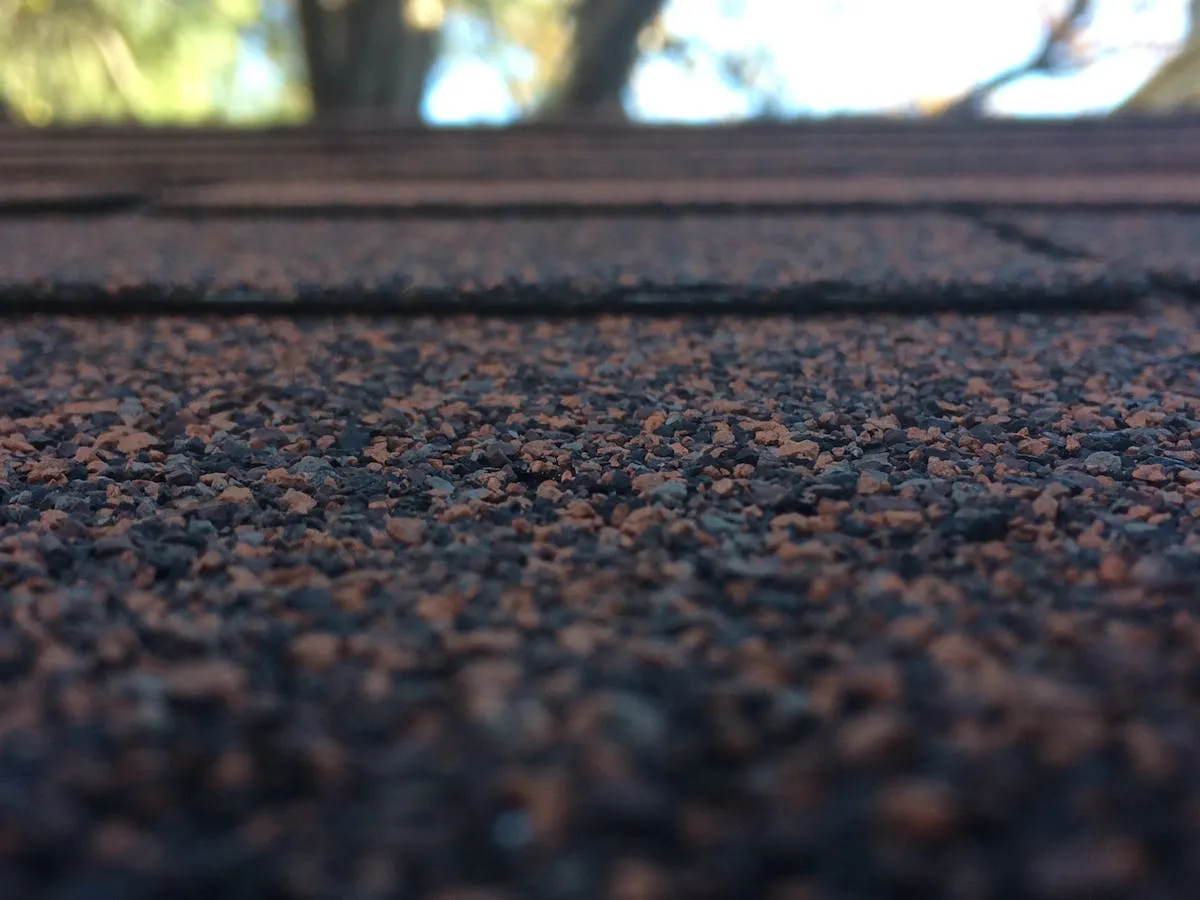
Roof Cleaning: Complete Guide to Safe Roof Algae and Moss Removal
Safe roof cleaning: remove black streaks, algae, and moss without damaging shingles. Proper techniques, chemical ratios, and safety precautions for roof cleaning.
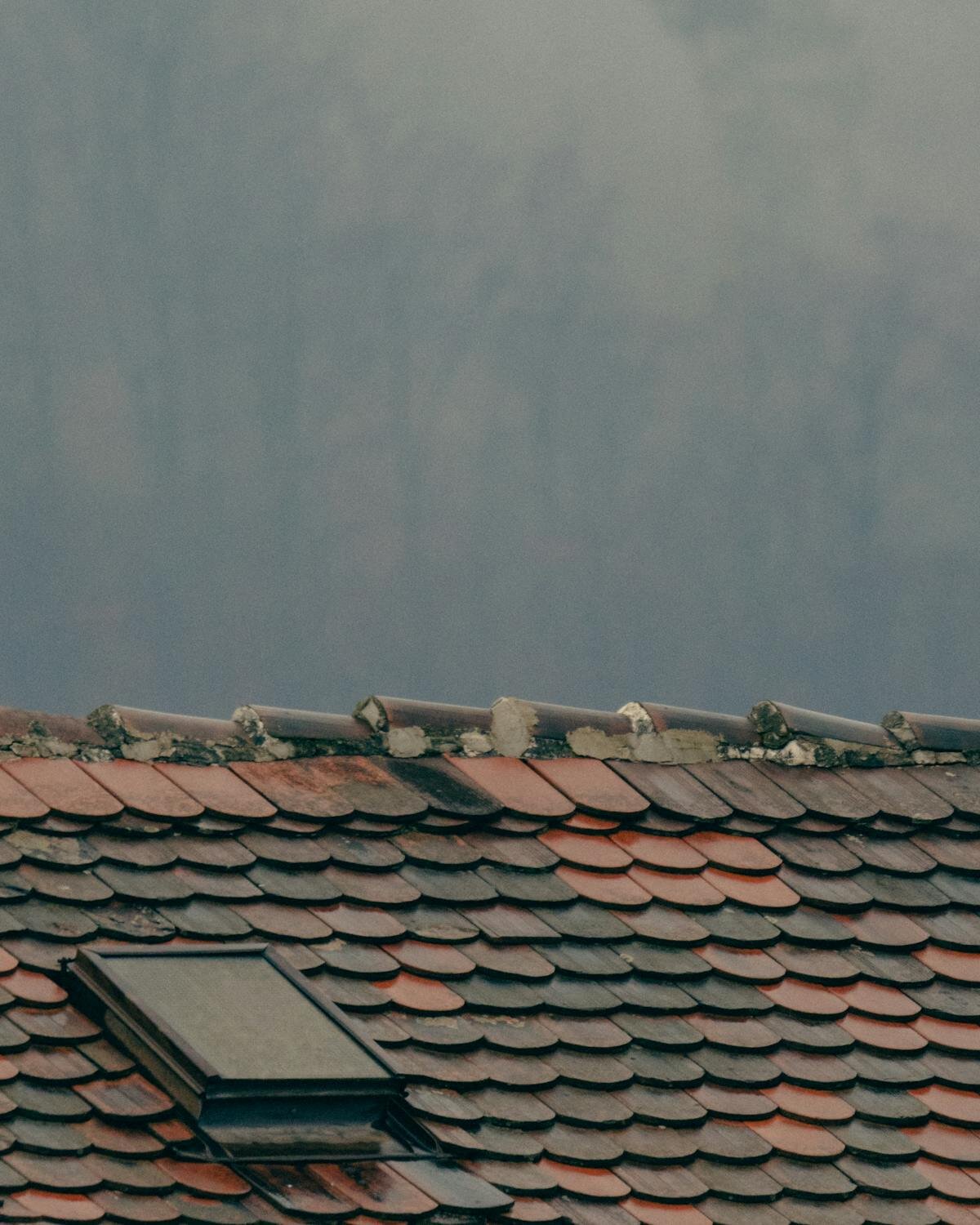
Removing Black Streaks from Asphalt Shingles: The Complete Guide
Learn how to safely remove black algae streaks from asphalt shingles using soft wash techniques. Understand root causes, proper chemical concentrations, and application methods that protect your roof.
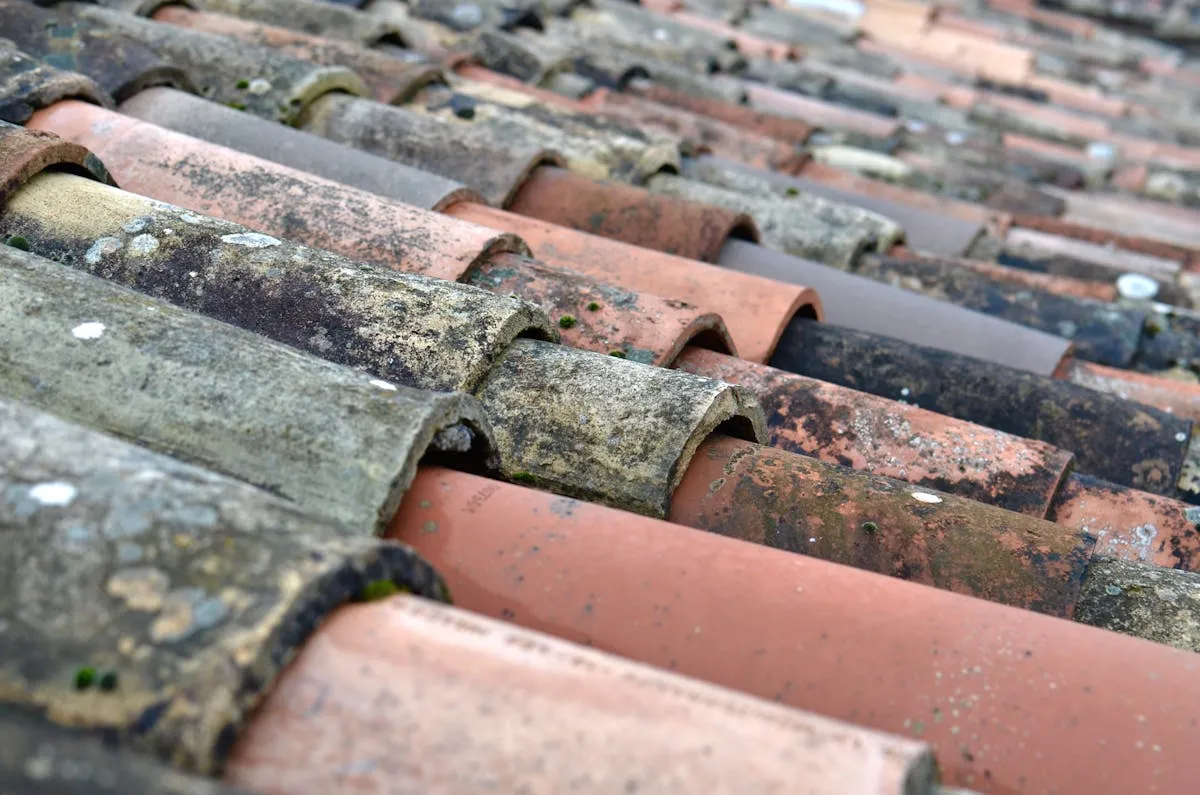
Cedar Shake Roof Cleaning and Preservation
Safe cedar shake roof maintenance without pressure washing. Learn gentle cleaning methods, oil preservation treatments, borate applications, and techniques to protect fragile shakes.