
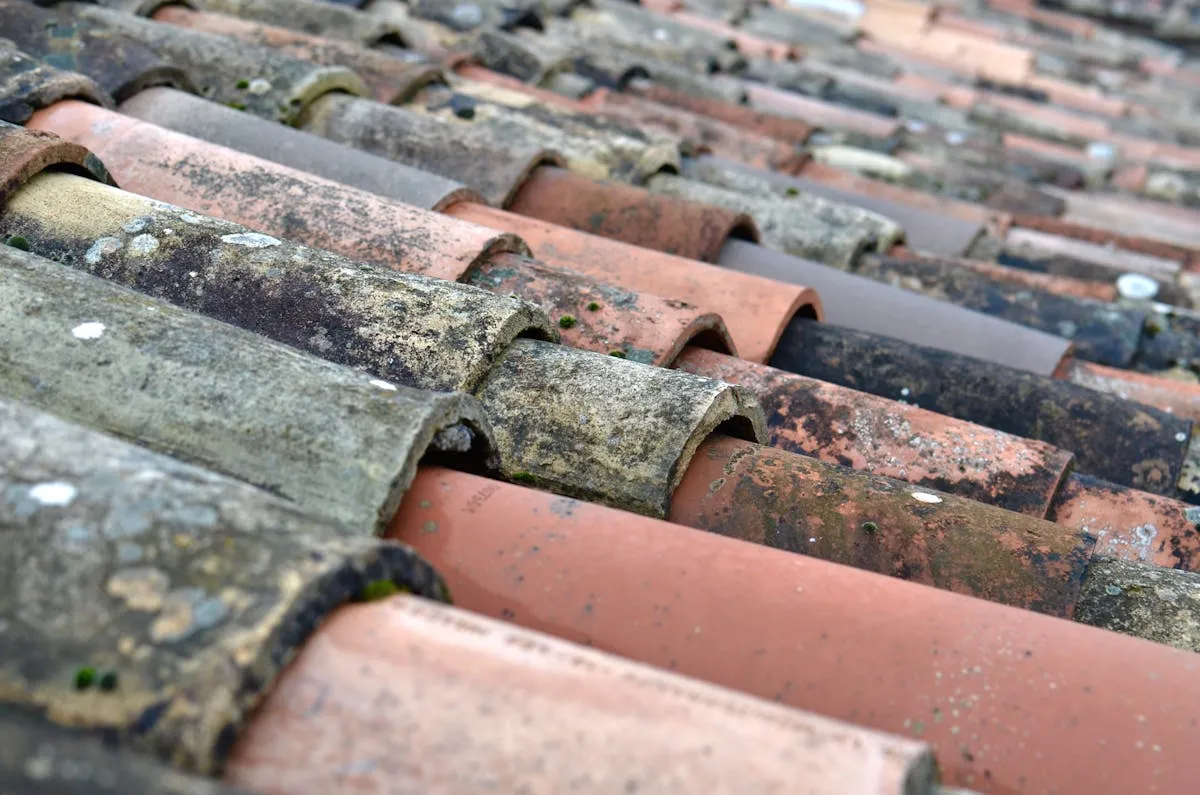
Cedar Shake Roof Cleaning and Preservation
Safe cedar shake roof maintenance without pressure washing. Learn gentle cleaning methods, oil preservation treatments, borate applications, and techniques to protect fragile shakes.
Quick Answer
Never pressure wash cedar shake roofs - the high pressure will damage the fragile wood and strip away natural preservative oils. Clean gently with low-pressure garden sprayer applications using oxygen bleach cleaners, followed by borate treatment for rot and insect prevention. Apply wood preservative oils every 3-5 years to maintain shake integrity and extend roof life. If the shakes are crumbling or showing extensive rot, replacement is needed before any cleaning.
Key Takeaways
- No pressure washing: Even low pressure will damage fragile shakes - use garden sprayer applications only
- Borate is essential: Zinc borate treatments prevent rot and insect damage - the most important maintenance step
- Oil preservation matters: Cedar’s natural oils protect it - replenish these oils every few years
- Walk extremely carefully: Cedar shakes are brittle and break easily - use crawl boards or roof ladders
- Know when to replace: If shakes are crumbly or soft, no cleaning will help - replacement is required
Understanding Cedar Shake Roofs
Cedar shake roofs are beautiful but demanding. They’re made from split cedar logs - western red cedar most commonly - and have a rustic, textured appearance that other roofing materials can’t match. But that beauty comes with a price: cedar shakes require regular maintenance and are surprisingly fragile.
Unlike composition shingles or metal roofing, cedar shakes are organic material. They’re affected by moisture, UV radiation, and biological growth. The natural oils that protect cedar eventually deplete, leaving the shakes vulnerable to rot, insects, and UV damage. Without proper maintenance, a cedar shake roof will fail in 15-20 years. With proper care, it can last 40-50 years.
Key vulnerability: Cedar shakes are fragile when dry and even more fragile when wet. They’re split from the log (not sawn), which creates a grain structure that’s strong in one direction but weak in others. Step on a shake wrong, and you’ll crack or split it. Pressure washing, even at low settings, will erode the softer wood fibers and shorten the roof’s lifespan.
Why You Should Never Pressure Wash Cedar Shakes
I need to be absolutely clear on this point: pressure washing cedar shake roofs causes damage. It doesn’t matter if you use 1000 PSI or 4000 PSI - pressure washing erodes the softer earlywood fibers and leaves the harder latewood raised. This creates a rough, fuzzy surface that holds moisture and accelerates deterioration.
What happens when you pressure wash:
- Fiber erosion: The pressure washes away the softer wood fibers, leaving the surface rough and fuzzy
- Moisture retention: The roughened surface holds water against the wood, accelerating rot
- Coating removal: Pressure strips away the natural cedar oils and any previously applied preservatives
- Shake damage: High pressure can crack and split shakes, especially when they’re dry and brittle
- Fastener loosening: Water hammer from the pressure can loosen nails and staples
- Lifespan reduction: All of the above shorten the roof’s lifespan by years
I’ve seen the damage firsthand: Roofs that were pressure washing “professionals” looked great initially but showed premature wear within 2-3 years. The shakes started cupping, splitting, and showing signs of rot much earlier than untreated roofs. The pressure washing accelerated deterioration rather than helping.
The only exception: If the roof is being replaced anyway and you’re cleaning it before installing new roofing, pressure washing won’t matter. But for a roof you want to keep, never use a pressure washer.
Gentle Cleaning Methods
Garden Sprayer Application
The safe way to clean cedar shake roofs is with low-pressure application using a pump-up garden sprayer:
Equipment needed:
- 2-3 gallon pump sprayer (chemical resistant)
- Garden hose with spray nozzle for rinsing
- Soft-bristle brush on extension pole (optional, for stubborn spots)
- Roof ladder or crawl boards for safe access
- Fall protection (harness and anchor point)
Cleaning solution: Use an oxygen bleach (sodium percarbonate) based cleaner. Mix according to label directions - typically 4-6 ounces per gallon of water.
Application process:
Pre-wet the roof: Lightly spray the roof with water to prevent the cleaner from absorbing too quickly. Don’t saturate - just dampen the surface.
Apply cleaner: Starting at the peak, apply the cleaner evenly across the roof surface using the garden sprayer. Work in sections - about 10x10 foot areas are manageable.
Let dwell: Allow the cleaner to work for 15-20 minutes. Don’t let it dry completely - if the weather is hot or sunny, mist occasionally to keep it damp.
Agitate if needed: For stubborn moss, lichen, or dirt, use a soft-bristle brush on an extension pole to gently agitate. Use light pressure - you’re not scrubbing hard, just loosening debris.
Rinse thoroughly: Using a garden hose with a gentle spray nozzle, rinse from the peak down. Don’t use a pressure nozzle - use a shower or fan setting. Rinse until the water runs clear.
Inspect and spot clean: Check for missed spots or stubborn areas. Reapply cleaner to these spots and repeat the process.
What this removes: Oxygen bleach effectively kills mold, mildew, algae, and moss. It removes dirt and atmospheric grime. It brightens the wood slightly by removing the gray oxidation layer. It does all this without damaging the wood or stripping protective oils.
Chemical Selection
Oxygen bleach (sodium percarbonate): The best choice for cedar shake cleaning. It kills organic growth, removes dirt, and brightens wood without damage. It breaks down into oxygen, water, and soda ash - all environmentally benign.
Avoid chlorine bleach: Sodium hypochlorite (household bleach) damages lignin in wood, weakens cellulose fibers, and can leave wood with a wooly, fuzzy appearance. It also kills beneficial vegetation and is harmful to the environment.
Avoid strong acids: Acid cleaners brighten wood but damage cellulose and can accelerate deterioration. They’re unnecessary for cedar shake maintenance.
Avoid strong alkalis: Sodium hydroxide based cleaners strip natural oils from cedar, leaving it vulnerable to UV damage and moisture infiltration.
Dealing with Heavy Growth
Moss and lichen: Heavy moss or lichen growth may need multiple treatments. Apply the cleaner, let dwell, brush gently, rinse. Repeat if needed. For extremely heavy growth, allow the cleaner to dwell longer - up to 30 minutes - but don’t let it dry.
Black stains: Black stains on cedar shakes are often extractive bleeding - natural tannins in the cedar being pulled to the surface by moisture. These stains are difficult to remove. Oxalic acid-based brighteners can help, but use sparingly and rinse thoroughly. Better to accept some staining than to damage the shakes with aggressive chemicals.
General graying: The gray color on weathered cedar is UV damage and surface erosion. This is normal aging. Oxygen bleach cleaning will remove some of the gray and restore some color, but perfectly restoring the original color isn’t possible without damaging the wood.
Borate Treatments for Rot and Insect Prevention
Borate treatments are the single most important maintenance step for cedar shake roofs. Borates (specifically zinc borate or disodium octaborate) penetrate the wood and prevent rot fungi and insect infestation. They’re essential for extending cedar shake roof life.
What Borates Do
Prevent rot: Borates make wood inhospitable to decay fungi. The borate salts penetrate the wood and create an environment where fungi can’t grow.
Prevent insects: Borates are toxic to wood-boring insects like termites and wood-boring beetles. The insects ingest the borate when they tunnel into the wood, and it disrupts their digestion, killing them.
Long-lasting: Properly applied borate treatments can protect shakes for 5-10 years, depending on environmental conditions.
Environmentally safe: Borates have low toxicity to mammals and are approved for use in sensitive environments. They wash out eventually but don’t accumulate in the environment.
Borate Application
Product selection: Look for zinc borate or disodium octaborate formulated for wood treatment. Products like Boracare or similar borate wood preservatives are appropriate.
Application timing: Apply to a clean, dry roof. The borates need to penetrate into the wood, and the shakes shouldn’t be saturated with water. Apply after cleaning but allow the roof to dry completely first.
Application method:
- Mix borate according to label directions - typically 1 pound of powder per gallon of water
- Apply using a pump sprayer - the same sprayer you used for cleaning (rinsed thoroughly)
- Spray generously until the shakes are thoroughly wetted but not running off
- Work from the peak down, overlapping your spray pattern
- Focus on shake ends and any areas showing signs of previous moisture damage
Penetration: Borates need time to penetrate. Don’t rinse - let the borate solution absorb into the wood. It will continue to penetrate for hours after application.
Reapplication: Reapply borate every 5-7 years in moderate climates, every 3-5 years in wet or humid climates. More frequent application may be needed if the roof shows signs of returning fungus or insect activity.
Safety Considerations
Borates are low toxicity: Much safer than most wood preservatives. However, avoid inhaling the powder and avoid prolonged skin contact with the concentrated solution.
Protect vegetation: While borates are relatively benign, concentrated solutions can damage plants. Protect vegetation below the roof during application or rinse it thoroughly afterward.
Keep pets away: Until the borate dries, keep pets off the roof and away from runoff. Once dry, it’s essentially harmless.
Oil Preservation Treatments
Cedar contains natural oils that protect it from moisture and insects. These oils slowly deplete over time due to UV exposure and weathering. Replenishing these oils is an important part of cedar shake maintenance.
When to Apply Oils
New roofs: Apply preservative oil 1-2 years after installation. This gives the shakes time to dry and stabilize but replenishes oils before significant depletion occurs.
Existing roofs: Apply oil every 3-5 years, depending on exposure and climate. Roofs in full sun or harsh climates may need oil every 2-3 years.
After cleaning: Always apply preservative oil after cleaning. Cleaning removes some of the surface oils and the oil helps protect the shakes until the next cleaning.
Product Selection
Penetrating oils: Look for products specifically formulated for cedar shake roofs. These are typically linseed oil or tung oil based, with added fungicides and UV inhibitors.
Clear vs. toned: Clear oils maintain the natural cedar color. Toned oils add a slight tint that can make the roof look more uniform. Both are effective - it’s an aesthetic choice.
Avoid film-forming coatings: Don’t use products that form a film on the surface like varnish or polyurethane. These trap moisture in the shakes and actually accelerate deterioration. Use penetrating oils only.
Application Technique
Weather conditions: Apply when the weather forecast shows dry conditions for at least 24-48 hours. The oil needs time to penetrate before rain washes it away.
Application method:
- Apply with pump sprayer or paint pad on a pole
- Work from the peak down
- Apply generously but not to the point of runoff
- Overlap each pass to ensure even coverage
- Pay special attention to shake ends - they’re most vulnerable to moisture absorption
Penetration time: The oil needs 24-48 hours to fully penetrate. Don’t let foot traffic on the roof during this time.
Cleanup: Clean up any overspray on walls, windows, or trim immediately. Oil-based products can be difficult to remove once dry.
Walking on Cedar Shake Roofs
Cedar shakes are fragile - step on them wrong and you’ll crack or split them. Walking on cedar shake roofs requires special technique and equipment.
Walking Technique
Distribute your weight: Never step directly on a shake. Always distribute your weight across multiple shakes.
Walk on the butt: The butt (thick end) of the shake is strongest. Step near the butt end, never near the thin end.
Use crawl boards or roof ladders: These are boards or ladders designed to distribute your weight across multiple shakes. They rest on the roof and you walk on them, not on the shakes themselves.
Never walk on wet shakes: Wet shakes are even more fragile than dry. Wait for the roof to dry completely before walking.
Watch for damage: If you see shakes that are cracked, split, or crumbling, don’t walk on that section. The shakes may not support your weight.
Safety Equipment
Fall protection: Always use a harness and lanyard properly secured to an anchor point. A fall from a roof can be fatal.
Roof ladder or crawl boards: These distribute your weight and protect the shakes. Never walk directly on shakes if you can avoid it.
Soft-soled shoes: Avoid heavy boots that can concentrate pressure. Roofing shoes or sneakers with soft soles are better.
Work in cool weather: Shakes are more brittle when cold. If possible, do roof work in mild weather - spring or fall are ideal.
Common Problems and Solutions
Cupping and Curling
Problem: Shakes curl upward at the edges, creating a cup shape. This allows water to penetrate between shakes.
Causes: Excessive moisture, lack of protective oils, UV damage.
Solutions:
- Mild cupping may flatten with application of preservative oil
- Severely cupped shakes should be replaced
- Ensure adequate attic ventilation to reduce moisture from below
Splitting and Cracking
Problem: Shakes develop cracks and splits, often running parallel to the grain.
Causes: UV damage, moisture cycling, foot traffic damage.
Solutions:
- Small cracks can be sealed with appropriate wood sealant
- Large cracks or splits usually require shake replacement
- Prevent future damage by applying preservative oils and avoiding foot traffic
Moss and Lichen Growth
Problem: Green moss or gray lichen grows on shake surfaces, holding moisture against the wood.
Causes: Shaded areas, high humidity, debris accumulation.
Solutions:
- Clean with oxygen bleach solution as described above
- Improve sunlight exposure if possible - trim overhanging branches
- Improve ventilation - moss thrives in stagnant, humid air
- Consider installing zinc or copper strips near the peak - these metals inhibit moss growth as rain washes over them
Dry Rot
Problem: Shakes become soft and crumbly, often with white or gray fungal growth.
Causes: Prolonged moisture exposure, lack of protective treatment.
Solutions:
- Small areas can be treated with borate solution and monitored
- Extensive dry rot usually requires roof replacement
- Identify and correct the moisture source - leaks, poor ventilation, etc.
Insect Damage
Problem: Holes in shakes, frass (insect excrement) on the surface, weakened wood.
Causes: Wood-boring beetles, termites, carpenter ants.
Solutions:
- Apply borate treatment - borates are toxic to wood-boring insects
- Severely damaged shakes should be replaced
- Identify the insect species and targeted treatments may be needed
- Prevent future problems by maintaining borate protection
When Replacement Is Needed
No amount of cleaning and treatment will fix a cedar shake roof that’s reached the end of its life. Know when to throw in the towel and replace rather than attempting restoration.
Signs Replacement Is Needed
Crumbling shakes: If shakes are soft, crumbly, or break apart easily, the wood has deteriorated beyond recovery.
Extensive rot: More than 20-30% of the roof showing rot means it’s time to replace, not repair.
Multiple leaks: Leaks in multiple locations indicate systemic failure, not isolated problems.
Excessive curling and splitting: Occasional damaged shakes are normal. Widespread curling and splitting across the roof indicates the roof is exhausted.
Loss of thickness: Cedar shakes gradually erode over time. If they’re less than half their original thickness, replacement is needed.
Replacement Considerations
Full vs. partial replacement: Small areas of damage can be patched. Widespread deterioration requires full replacement.
Material choice: When replacing, you can choose new cedar shakes or alternative materials like composition shingles or metal. Consider maintenance requirements, appearance, and budget.
Professional installation: Cedar shake installation is skilled work. Unless you have experience, hire a professional roofing contractor who specializes in cedar shake.
People Also Ask
How often should I clean my cedar shake roof?
Most cedar shake roofs need cleaning every 5-7 years. Roofs in heavily wooded areas may need cleaning every 3-4 years due to debris and moss. Roofs in dry, sunny areas may only need cleaning every 8-10 years. Clean when appearance warrants it - heavy moss, lichen, or dirt accumulation - not on a fixed schedule. More frequent cleaning isn’t better and can shorten roof life.
Can I pressure wash my cedar shake roof with very low pressure?
No. Even low pressure (1000 PSI) will damage cedar shakes. The pressure erodes soft wood fibers, creates a fuzzy surface that holds moisture, and strips protective oils. Use garden sprayer application with oxygen bleach cleaners instead. It takes more time but protects the shakes and extends roof life.
What’s the best oil to use on cedar shakes?
Use penetrating oils specifically formulated for cedar shake roofs. Look for linseed oil or tung oil based products with added fungicides and UV inhibitors. Avoid film-forming coatings like varnish or polyurethane - these trap moisture and accelerate deterioration. Brands like Duckback, CTA, and Gemini make quality cedar shake preservative oils.
How do I remove black stains from my cedar shake roof?
Black stains are often tannin bleeding - natural cedar tannins being pulled to the surface by moisture. These are difficult to remove. Oxalic acid-based brighteners can help but use sparingly. Apply with a garden sprayer, let dwell 5-10 minutes, rinse thoroughly. Test in a small area first - oxalic acid can damage some wood. Often, the best approach is to accept some staining rather than risk damage from aggressive treatments.
How long does a cedar shake roof last?
With proper maintenance, a cedar shake roof can last 40-50 years. Without maintenance (cleaning, borate treatment, oil preservation), it may only last 15-20 years. The key is regular maintenance: clean every 5-7 years, apply borate every 5-7 years, apply preservative oil every 3-5 years. Neglected roofs fail quickly; maintained roofs last for decades.
Will borate treatment kill existing rot in my shakes?
Borate will stop the spread of rot and prevent new rot, but it won’t repair damage that’s already occurred. Shakes that are soft and crumbly from rot are too far gone - they need to be replaced. Borate applied after cleaning will protect remaining shakes and prevent future rot. For small areas of early-stage rot, borate can halt the progression if applied before extensive damage occurs.
Next Steps
- The 3-Step Wood Restoration Process - Complete wood cleaning and restoration methods
- Cedar Deck and Fence Cleaning - More cedar maintenance techniques
- Metal Roof Washing Techniques - Alternative roofing material cleaning
- Roof Cleaning Safety Guide - Essential fall protection and roof work safety
Was this article helpful?
Your feedback helps us improve our content.
Related Articles
The 3-Step Wood Restoration Process: Clean, Brighten, Seal
Complete wood deck restoration: clean with sodium percarbonate, brighten with oxalic acid, and seal with quality stain. Transform gray, neglected wood into beautiful outdoor space.
Cedar Deck and Fence Cleaning Guide
Clean cedar safely: proper pressure, chemicals, and techniques for soft cedar wood. Remove algae and restore natural color without damaging the delicate wood fibers.
Metal Roof Washing Techniques
Safe metal roof cleaning methods that protect roof coatings and prevent slippery accidents. Learn proper walking techniques, coating-safe chemicals, and chalky residue removal.
Working at Heights in Pressure Washing: Safety Systems and Equipment for Elevated Work
Comprehensive guide to safe working at heights for pressure washing professionals. Covers multi-story buildings, roof work, scissor lifts, boom lifts, fall protection systems, and insurance requirements for elevated work.