
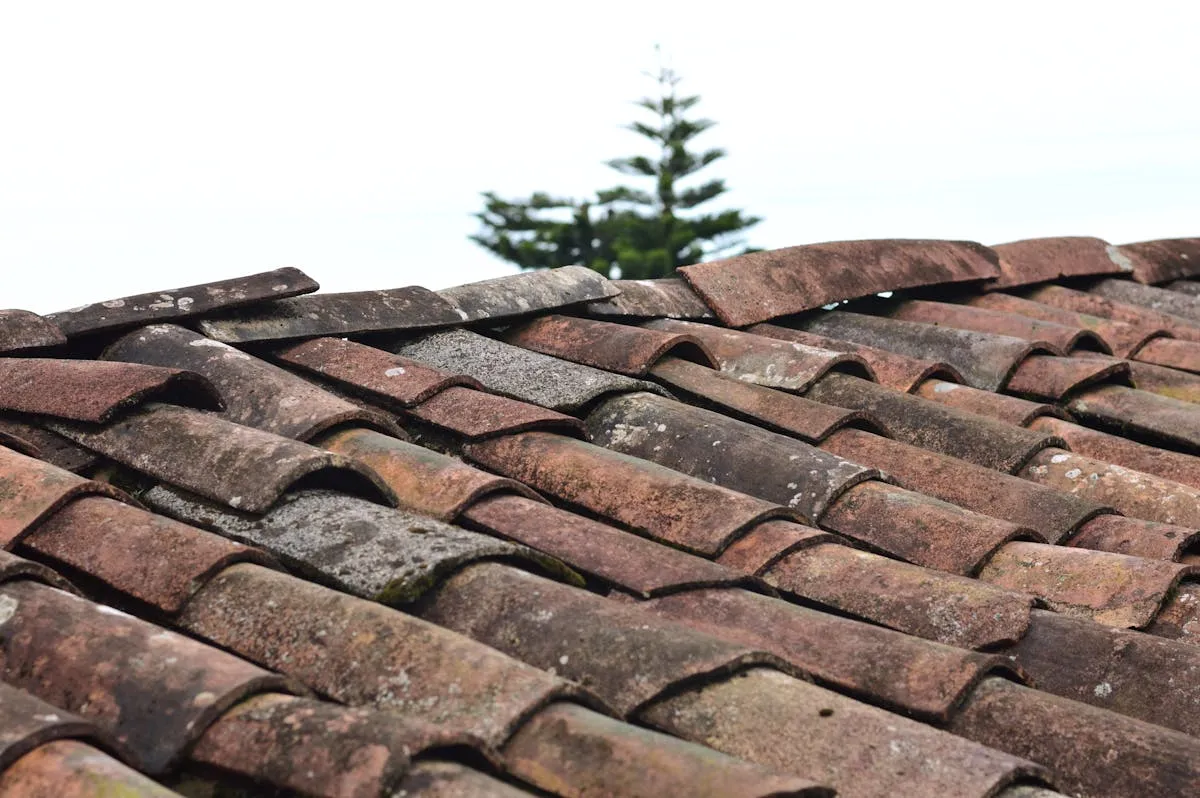
Metal Roof Washing Techniques
Safe metal roof cleaning methods that protect roof coatings and prevent slippery accidents. Learn proper walking techniques, coating-safe chemicals, and chalky residue removal.
Quick Answer
Metal roofs require low-pressure washing (1200-1500 PSI max) with mild, pH-neutral cleaners to protect factory coatings. Walk perpendicular to the ribs using fall protection, and never walk on a wet metal roof—it’s incredibly slippery. For chalky oxidation residue, use a specialized metal roof brightener applied at low pressure and rinsed thoroughly. If you’re not comfortable working at heights, hire a professional.
Key Takeaways
- Walking is extremely hazardous: Metal roofs are death traps when wet—never walk without proper fall protection
- Low pressure only: 1200-1500 PSI max with 40° nozzle to avoid damaging protective coatings
- Coating protection is critical: Factory finishes can be stripped by aggressive chemicals and high pressure
- Work perpendicular to ribs: Always walk across the ribs, never parallel—provides better footing
- Chalky residue requires brightener: Oxidized metal roofs need acid brightener, but use aluminum-safe products
The Dangers of Metal Roof Cleaning
Metal roof cleaning is one of the most dangerous pressure washing jobs. A wet metal roof is slicker than ice, and a fall from a roof can kill or permanently disable you. Every year, homeowners and contractors are seriously injured or killed falling from roofs during cleaning.
Beyond fall hazard, metal roofs have unique vulnerabilities. The protective coatings that give metal roofs their longevity and appearance can be damaged by improper cleaning. Strip the coating, and you’ve compromised the roof’s water protection and shortened its lifespan.
Key hazards:
- Slippery surface: Wet metal is incredibly slick—almost impossible to maintain footing
- Fall height: Even a single-story roof fall can cause serious injury
- Coating damage: Aggressive cleaning can void warranties and compromise roof performance
- Fastener integrity: High pressure can loosen or damage roof fasteners
- Heat stress: Metal roofs get extremely hot in direct sun
Recommendation: If you’re not experienced working at heights with proper fall protection, hire a professional. The cost of professional cleaning is cheap compared to a hospital stay or funeral.
Metal Roof Types and Their Vulnerabilities
Standing Seam Metal Roofs
Description: Raised seams run vertically down the roof. Panels are typically 12-24 inches wide with concealed fasteners.
Durability: Very high—quality standing seam roofs can last 50+ years
Vulnerabilities:
- Coating damage: Factory paint/coating can be stripped by aggressive chemicals
- Seam integrity: High pressure can damage the standing seams
- Fastener loosening: Though concealed, clips and fasteners can be loosened by water hammer
- Oil canning: Thermal distortion from hot water or sun exposure on wet panels
Corrugated Metal Roofs
Description: Wavy profile with exposed fasteners. Common on agricultural and industrial buildings.
Durability: High—30-50 year lifespan typical
Vulnerabilities:
- Fastener exposure: Exposed screws are vulnerable to corrosion and loosening
- Painted vs. unpainted: Painted corrugated can have coatings damaged; unpainted is more tolerant
- Profile creates walking challenges: Ribs are rounded, harder to maintain footing
- Oil canning: Flat areas between ribs can distort with temperature changes
Stone-Coated Metal Roofs
Description: Metal shingles with stone granules embedded in coating. Resembles asphalt shingles or tile.
Durability: High—40+ year lifespan
Vulnerabilities:
- Granule loss: High pressure can strip stone granules, exposing metal substrate
- Coating damage: The textured coating is vulnerable to aggressive chemicals
- Complex profile: Walking is challenging due to texture
- Shingle edges: Individual shingle edges can catch equipment
Metal Shingles
Description: Individual metal shingles shaped like asphalt shingles. Interlocking design.
Durability: High—40-50 year lifespan
Vulnerabilities:
- Coating damage: Painted finishes can be stripped
- Edge damage: Shingle edges can be caught and lifted
- Fastener heads: Exposed fastener heads can corrode if coating is damaged
- Complex walking pattern: Shingle edges create uneven walking surface
Safety Requirements
Fall Protection
Non-negotiable: Proper fall protection is required before stepping onto a metal roof.
Acceptable fall protection:
- Roof harness with anchor point: Properly rated harness secured to a structurally sound anchor point
- Scaffolding: Properly erected and secured scaffolding provides safe working platform
- Lifts and booms: Manlift or boom lift provides safe access without walking on roof
Unacceptable:
- Working without fall protection
- Relying on “being careful”
- Using ropes or chains not rated for fall arrest
- Walking on a wet metal roof without protection
Best approach: Use a harness and lanyard secured to an anchor point on the opposite side of the roof. If you slip, you’re arrested before going over the edge. It’s not comfortable, but it’s necessary. Never work alone—always have someone nearby who can call for help if something goes wrong.
Walking Technique
Walk perpendicular to ribs: Always walk across the raised seams, not parallel. This gives you three points of contact on the ribs at all times. Walking parallel means you’re balancing on one rib at a time—much more likely to slip.
Use roof boots: Roofing boots with soft soles provide better grip. Some professionals use cougar paws (traction cleats that strap to your boots). Never wear smooth-soled boots or shoes.
Never walk on a wet roof: This can’t be emphasized enough. A wet metal roof is essentially frictionless. Apply chemicals, work from the ground if possible, then walk carefully only when the roof is dry. Even with fall protection, avoid walking on wet metal.
Watch for oil canning: Oil canning is the waviness or buckling that occurs in flat metal panels due to thermal stress. Avoid walking on these areas—they’re weakened and more likely to be damaged.
Weather Considerations
Avoid wind: Even light wind becomes hazardous on a roof. Gusts can catch you off balance. Don’t work in winds over 10-15 mph.
Avoid direct sun: Metal roofs get extremely hot—can reach 140-160°F in summer sun. Not only is this dangerous for heat stress, but adding cold water to hot metal can cause thermal shock and damage coatings or fasteners. Work early morning or evening.
Never work in rain: Wet roof, slippery conditions, reduced visibility—a recipe for disaster. Reschedule if rain threatens.
Ladder and Access Safety
Secure the ladder: Ladder must be secured at the top and tied off at the bottom. Use a ladder stabilizer/standoff to protect the gutter and provide stability.
Extend 3 feet above: Ladder should extend at least 3 feet above the roof edge for safe access and egress.
Maintain 3 points of contact: When climbing or descending, always have two hands and one foot, or two feet and one hand, in contact with the ladder.
Pressure Washing Technique
Equipment and Pressure
Recommended pressure: 1200-1500 PSI maximum
Nozzle selection: 40° white nozzle only. Never use 15° or 0° nozzles on metal roofing.
Nozzle distance: Maintain 18-24 inches from surface. Getting closer increases risk of coating damage.
Sweeping motion: Keep the wand moving constantly. Never hold it in one spot. Overlap each pass by 50%.
Work top to bottom: Start at the peak and work toward the eaves. This lets dirt flow down and prevents streaking.
Avoid direct spray at fasteners: Don’t spray directly at screw heads or other fasteners. Water intrusion can cause corrosion and loosening.
Chemical Selection
General cleaning: Use a mild, pH-neutral roof cleaner. You don’t need aggressive chemicals for general dirt and grime removal. Look for:
- Sodium percarbonate (oxygen bleach) based cleaners
- pH-neutral or mildly alkaline (pH 7-9)
- Biodegradable formulas
- No added phosphates or harsh solvents
Avoid:
- Chlorine bleach (sodium hypochlorite): Can damage some coatings and fasteners
- Strong acids (hydrofluoric, muriatic): Will strip factory coatings
- Strong alkalis (sodium hydroxide): Can damage coatings and void warranties
- Solvent-based cleaners: Can degrade coatings
The Cleaning Process
Preparation:
- Set up fall protection
- Protect vegetation below with tarps or water
- Cover any roof penetrations with plastic and tape
- Disconnect and protect solar panels if present
Application:
- Apply roof cleaner with pump sprayer or downstream injector
- Work in sections: 10x10 foot areas are manageable
- Let cleaner dwell 10-15 minutes—don’t let it dry
- Reapply if surface starts to dry
- Gentle agitation with soft-bristle roof brush if needed
- Rinse thoroughly from top down
- Inspect the section before moving on
Rinsing:
- Rinse from top to bottom with clean water
- Use 40° nozzle
- Maintain 18-24 inch distance
- Rinse each section completely before moving to the next
- Check for streaking or missed spots
What to avoid:
- Don’t spray upslope into the laps of standing seam panels
- Don’t concentrate spray at fastener locations
- Don’t use hot water—can cause thermal shock
- Don’t walk on wet surfaces
- Don’t rush the dwell time—let chemicals work
Dealing with Chalky Oxidation Residue
What Is Chalking?
Metal roof coatings develop a chalky oxidation layer as they age. This is the coating breaking down at the surface. It appears as a white or light-colored powdery residue that can run off onto walls and walkways below. Chalking is normal aging, but excessive chalking indicates premature coating failure.
Brightening Chalky Roofs
Chalky roofs can be brightened with specialized metal roof brighteners:
Product selection: Use aluminum-safe brightener specifically formulated for metal roofing. Avoid harsh acids that will strip the coating.
Application:
- Clean the roof first with mild cleaner to remove loose dirt
- Rinse thoroughly
- Apply brightener at manufacturer’s recommended dilution (typically 10:1 to 20:1)
- Work in small sections—5x5 foot areas
- Let dwell 2-3 minutes maximum
- Light agitation with soft brush if needed
- Rinse thoroughly from top down
- Check results before moving to next section
Don’t over-brighten: Excessive brightening removes coating material. Brighten only as needed to remove the chalky appearance. Some manufacturers recommend against brightening at all—check warranty documentation.
Consider sealing: If the roof is badly chalked, consider applying a roof sealer after brightening. This seals the remaining coating and reduces future chalking. Use only sealers recommended by the roof manufacturer.
Coatings and Sealers
Understanding Factory Coatings
Metal roofs come from the factory with protective coatings:
Kynar or similar: High-performance fluoropolymer coating. Very durable, 30+ year lifespan. Can be damaged by aggressive chemicals.
Polyester: Mid-range coating, 20-30 year lifespan. Moderate chemical resistance.
Silicone-modified polyester: Enhanced performance, 25-35 year lifespan.
Acrylic: Budget coating, 15-20 year lifespan. Most vulnerable to chemical damage.
Unpainted: Galvanized or Galvalume without paint. Most tolerant to cleaning but still needs protection from corrosion.
Re-Coating Considerations
When to re-coat: If the coating is severely degraded—excessive chalking, flaking, or bare metal exposed—cleaning alone won’t restore appearance. Consider re-coating.
Product selection: Use only coatings recommended by the roof manufacturer. Using the wrong coating can void warranties and cause adhesion problems.
Surface preparation: Re-coating requires thorough cleaning, often with specialized prep products. Follow manufacturer’s instructions exactly.
Hire a pro: Re-coating a metal roof is a major project. Consider hiring a professional roofing contractor who specializes in metal roof restoration.
Common Mistakes
Using Too Much Pressure
High pressure damages coatings and can loosen fasteners. More pressure isn’t better—proper chemicals and dwell time do the work. Stay under 1500 PSI with a 40° nozzle.
Walking on Wet Roof
Never walk on a wet metal roof, even with fall protection. The slip hazard is extreme. Apply chemicals, work from below, then walk carefully only when dry.
Using Aggressive Chemicals
Strong acids and alkalis strip coatings and void warranties. Use mild, pH-neutral cleaners for general cleaning. Save brighteners for badly chalked roofs, and even then use aluminum-safe products.
Ignoring Fasteners
Spraying directly at fastener heads drives water into the fastener holes, causing corrosion and loosening. Keep spray away from fasteners.
Working in Unsafe Conditions
Wind, rain, direct sun, or heat create unsafe conditions. Reschedule for calm, overcast, mild weather. No roof cleaning is worth a fall.
When to Hire a Professional
Consider hiring a professional if:
- You’re not comfortable with heights: Working on roofs requires proper training and equipment
- You don’t have fall protection: Proper harness systems aren’t optional
- The roof is steep: Low-slope is manageable, steep slopes require professional skills
- The roof is badly deteriorated: Heavily corroded or damaged roofs need professional evaluation
- You’re not sure about coating type: Using the wrong products can damage the roof
- The manufacturer prohibits owner maintenance: Some warranties require professional maintenance
Professional roof cleaners have the equipment, training, and insurance to work safely. The cost is reasonable compared to the risk of DIY roof work.
People Also Ask
Can I walk on a metal roof?
Yes, but with caution and only when dry. Walk perpendicular to the raised seams (ribs), not parallel. This gives you three points of contact. Wear soft-soled roof boots. Never walk on a wet metal roof—it’s incredibly slippery. Always use fall protection—a slip on a metal roof can be fatal.
How often should I clean my metal roof?
Most metal roofs need cleaning every 3-5 years. Roofs in heavily wooded areas may need annual cleaning due to debris accumulation. Roofs in arid climates may only need cleaning every 7-10 years. Clean when appearance warrants it, not on a fixed schedule. Avoid over-cleaning—excessive cleaning can shorten coating lifespan.
Will pressure washing damage my metal roof?
It can if done improperly. High pressure (above 1500 PSI) can damage coatings and loosen fasteners. Harsh chemicals can strip factory finishes. However, gentle cleaning with low pressure (1200-1500 PSI) and mild cleaners is safe and recommended for maintenance. The key is using the right technique and products.
How do I remove algae from my metal roof?
Use an oxygen bleach (sodium percarbonate) based roof cleaner. Apply with pump sprayer, let dwell 15-20 minutes, gentle rinse with low pressure. Avoid chlorine bleach—it can damage some coatings and fasteners. For heavy algae, light agitation with a soft-bristle roof brush helps. After cleaning, consider applying a preventive treatment to slow regrowth.
Why is my metal roof chalky?
Chalking is the natural breakdown of the roof coating at the surface. UV radiation breaks down the binder, leaving a powdery pigment residue. Some chalking is normal as the roof ages. Excessive chalking indicates premature coating failure, possibly from poor quality coating or environmental stress. Chalking can be removed with brightener, but severely chalked roofs may need re-coating.
Can I use bleach on my metal roof?
I don’t recommend chlorine bleach (sodium hypochlorite) on metal roofs. It can damage some coatings, accelerate corrosion of fasteners, and is hard on the roofing substrate. Use oxygen bleach (sodium percarbonate) based cleaners instead. They’re gentler on the roof while still effective for organic growth removal. Always check the roof manufacturer’s cleaning recommendations.
Next Steps
Was this article helpful?
Your feedback helps us improve our content.
Related Articles
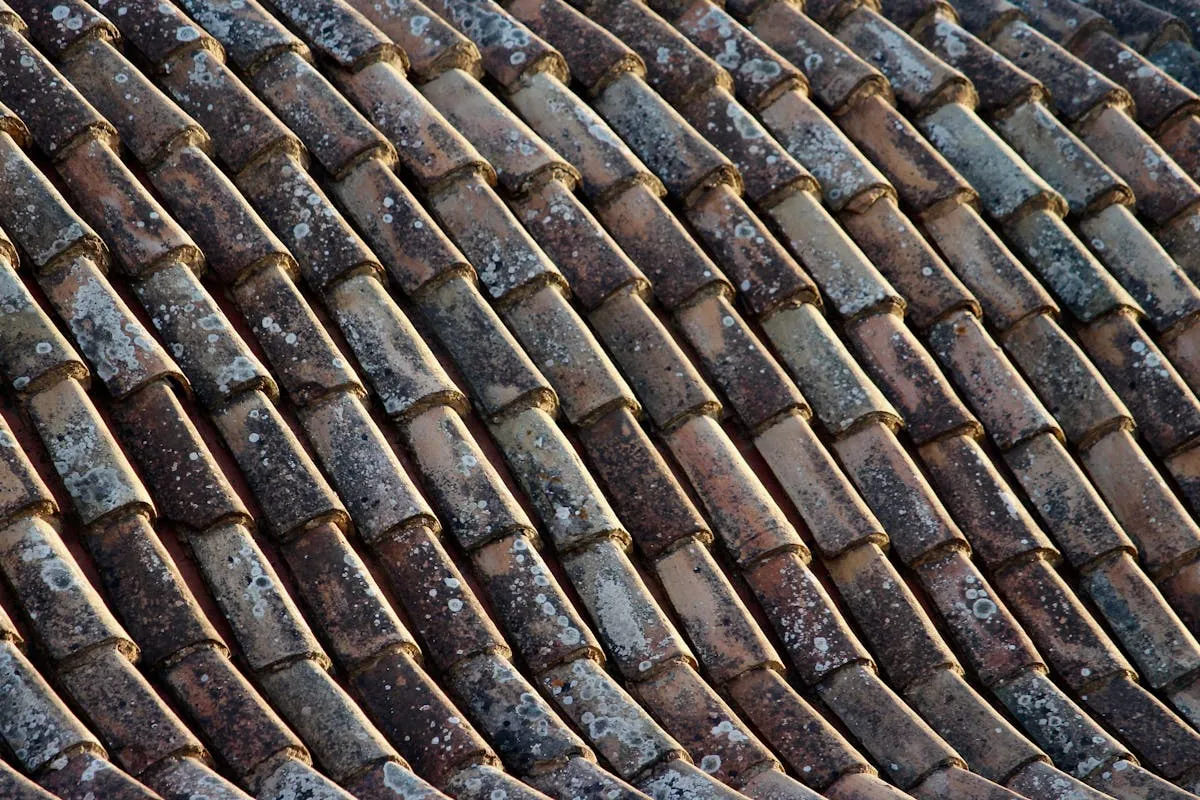
Tile Roof Cleaning: Concrete, Clay, and Slate
Clean tile roofs safely: proper methods for concrete, clay, and slate tiles. Protect roof integrity while removing algae, mold, and lichen without walking on fragile tiles.
The Two-Step Fleet Wash Process: Acid and Alkaline
Master the two-step fleet wash process using alkaline pre-soak and acid brightener. Learn proper acid/alkaline balance, aluminum safety, and professional brightening techniques.
Working at Heights in Pressure Washing: Safety Systems and Equipment for Elevated Work
Comprehensive guide to safe working at heights for pressure washing professionals. Covers multi-story buildings, roof work, scissor lifts, boom lifts, fall protection systems, and insurance requirements for elevated work.
Acid Washing Techniques for Pressure Washing
Master acid washing for pressure washing: muriatic, phosphoric, and oxalic acids. Learn dilution ratios, application methods, neutralization, and critical safety requirements.