
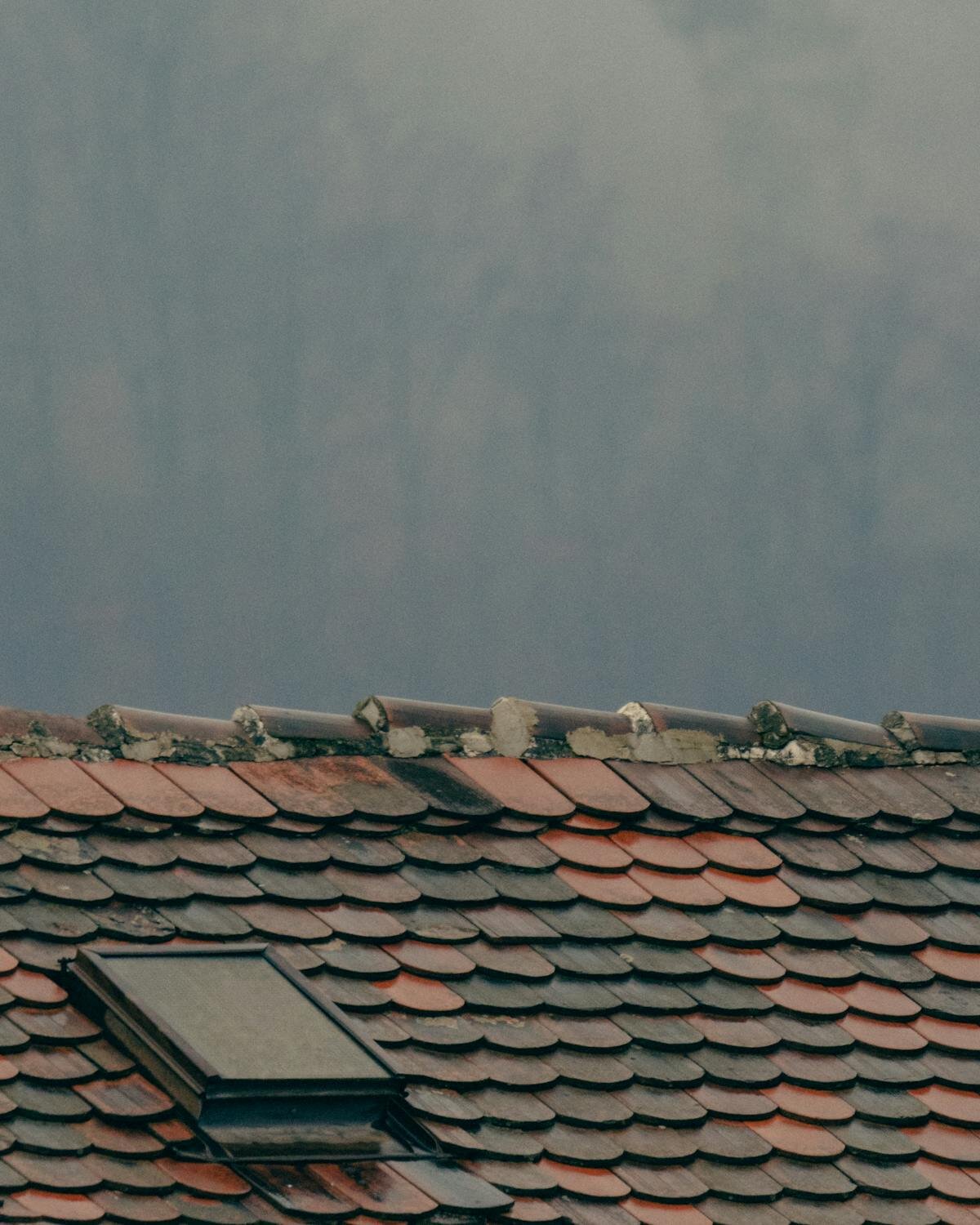
Removing Black Streaks from Asphalt Shingles: The Complete Guide
Learn how to safely remove black algae streaks from asphalt shingles using soft wash techniques. Understand root causes, proper chemical concentrations, and application methods that protect your roof.
What Causes Black Streaks on Asphalt Shingles?
Those dark streaks running down your asphalt shingles aren’t dirt. They’re colonies of Gloeocapsa magma, a blue-green algae that thrives in the damp, shaded environment of roof surfaces. The algae feeds on the limestone fillers in shingles and produces pigmented cell sheaths that appear as black or dark brown streaking.
Black algae growth accelerates in humid climates, especially on north-facing slopes that receive minimal direct sunlight. You’ll also see faster growth on roofs with overhanging trees, poor ventilation, or gutters that don’t drain effectively.
Black streaks are caused by Gloeocapsa magma algae, not dirt or mold. This algae colonizes the limestone fillers in asphalt shingles and can actually shorten roof lifespan if left untreated. The algae growth traps moisture against the shingle, leading to deterioration.
Why Pressure Washing Won’t Work
Your first instinct might be to blast away those streaks with a pressure washer. Don’t. Even at lower PSI, pressure washing accelerates shingle deterioration by:
- Forcing water under shingle tabs and into the roofing system
- Dislodging the protective granule layer that protects asphalt from UV damage
- Creating micro-tears that become entry points for water infiltration
- Potentially voiding manufacturer warranties
Asphalt shingle manufacturers, including the Asphalt Roofing Manufacturers Association (ARMA), explicitly prohibit pressure washing and recommend soft wash applications only.
Pressure washing asphalt shingles will cause visible damage and roof failure. ARMA guidelines strictly prohibit pressure washing. Always use soft wash methods only.
The Soft Wash Method for Black Streak Removal
Soft wash treatment kills the algae at the colony level, allowing it to naturally wash away with rain and time. The approach is straightforward but requires precision.
Chemical Selection and Concentration
The standard solution for algae treatment uses sodium hypochlorite (bleach) at proper concentration:
- Target concentration: 12-15% sodium hypochlorite (SH)
- Typical mix: 1 part 12% SH to 3-4 parts water (reduces to approximately 2.4-4% SH final solution)
- Application rate: Sufficient saturation to allow 10-15 minute dwell time
Some contractors use zinc sulfate or copper sulfate alternatives, which are less corrosive and work well in specific situations, but sodium hypochlorite remains the industry standard for algae kill rates.
Two application methods exist:
- Batch Mix: Mix solution in tank, apply via pump and spray wand. Offers precise concentration control and cost efficiency for larger jobs.
- Downstream Injection: Draw concentrated chemical into line via injector, diluting with water pressure. Simpler setup but less accurate concentration and higher chemical waste.
For roof work, batch mix provides superior safety and concentration control.
Application Technique
- Pre-rinse the roof lightly with low-pressure water to wet the surface and remove loose debris
- Apply solution via low-pressure spray wand (2-4 GPM at 500-800 PSI) in sections, working from bottom to top to prevent runoff
- Maintain saturation for 10-15 minutes. The algae must remain wet for the chemical to penetrate colony structures
- Allow dwell time without reapplying. Oversaturation wastes chemical without improving results
- Rinse thoroughly with low-pressure water only after dwell period is complete
Distance and Pressure Considerations
Hold the spray wand 24-36 inches from the shingle surface. This distance ensures solution delivery without damaging the protective granule layer. Keep pressure under 1000 PSI—most applications use 500-800 PSI with a wide-angle fan tip.
Never use a narrow jet or zero-degree nozzle on shingles. Always maintain a minimum 25-40 degree fan angle.
Safety and Environmental Considerations
When handling bleach-based solutions, always wear:
- NIOSH-approved respirator (P100 cartridges recommended for sodium hypochlorite vapor)
- Eye protection (full-face shield or safety glasses with side protection)
- Heavy-duty gloves rated for chemical exposure
- Long-sleeved shirt and long pants
- Closed-toe boots
Ensure proper runoff containment. The diluted solution is safe to landscape but verify local regulations regarding bleach discharge. Many areas have restrictions on runoff concentration or timing.
Rinsing Approach
After the dwell period, rinse with low-pressure water only. Use the same 2-4 GPM flow rate at 500-800 PSI. Rinse top to bottom, ensuring complete removal of chemical residue. Incomplete rinsing leaves salt residue that can accelerate future algae regrowth.
For safety, rinse landscape areas and gutters to neutralize any chemical concentration in those spaces.
Timeline and Results
You won’t see dramatic results immediately. The algae takes 2-4 weeks to fully die off and naturally wash away with rain. Over that period, the black streaks gradually fade as the algae loses its pigmentation and becomes brittle.
Most roofs show 60-70% visible improvement within a month and 85-95% improvement within 3-6 months as remaining algae spores are naturally eliminated.
Prevention and Maintenance
Once you’ve treated the roof, consider preventive measures:
- Install zinc or copper shingle strips along the roof ridge (these release trace metals that inhibit algae growth)
- Keep gutters clean to ensure proper drainage
- Trim overhanging tree branches to reduce shade
- Improve attic ventilation if possible
Maintenance treatment with soft wash can be repeated every 3-5 years in humid climates where algae regrowth is likely.
Do: Use soft wash with 12-15% SH at proper dilution, maintain 10-15 minute dwell time, rinse thoroughly with low pressure, wear full protective equipment.
Don't: Ever use pressure above 800 PSI, use narrow jets or zero-degree nozzles, oversaturate the roof, skip the dwell time, or rinse with high pressure.
When to Call a Professional
Roof work involves fall hazards and chemical safety risks. If you’re uncomfortable working at height or handling bleach solutions, hiring a professional soft wash contractor is worthwhile. Experienced contractors have the right safety equipment, proper dilution ratios, and insurance coverage for roof work.
Treating black streaks early prevents long-term shingle deterioration and extends roof lifespan. Address algae growth within the first year of appearance for best results.
Was this article helpful?
Your feedback helps us improve our content.
Related Articles
Roof Cleaning 101: ARMA Guidelines and Best Practices
Master the fundamentals of safe roof cleaning. Learn ARMA guidelines, types of roof contamination, chemical selection by material, safety protocols, and pricing strategies for professional contractors.
How to Pressure Wash a Wood Deck: PSI, Technique, and Surface Protection
Learn the correct way to pressure wash wood decks. Master PSI settings by wood type, fan tip technique, maintaining consistent distance, avoiding lap marks, and the strip-clean-brighten process.