
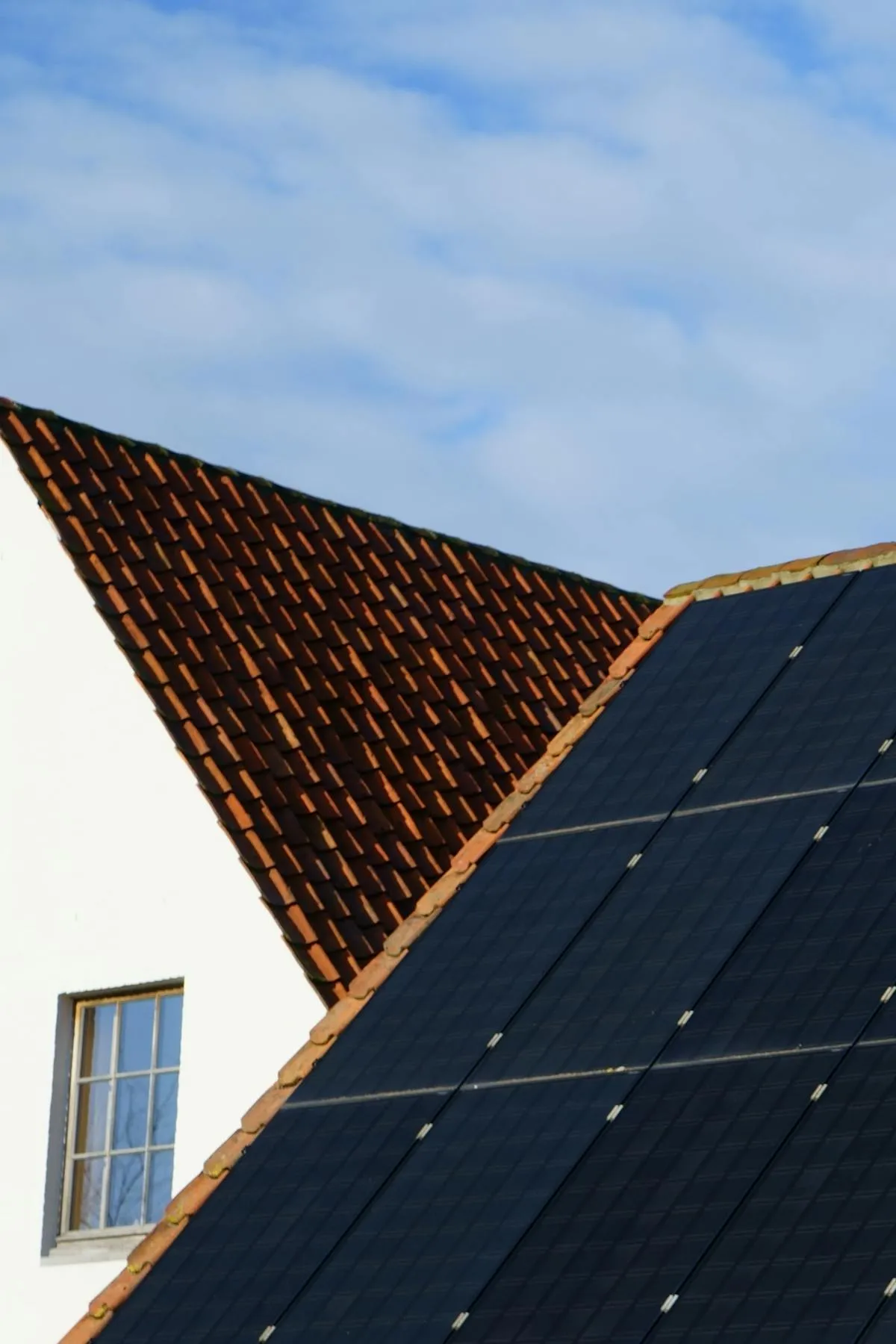
Solar Panel Cleaning: Safe Methods and When to Call a Professional
Learn safe methods for cleaning solar panels without damaging them or voiding warranties. Understand proper techniques, equipment needs, safety precautions, and when professional cleaning is necessary.
Quick Answer
Clean solar panels with a garden hose and soft brush or squeegee, using plain water or mild soap (1 teaspoon dish soap per gallon). Never use pressure washers, abrasive materials, or harsh chemicals. Clean early morning or late evening when panels are cool. Annual cleaning typically restores 3-5% efficiency—dirty panels can lose up to 25% output. Leave extensive rooftop work to professionals due to safety risks.
Key Takeaways
- Never use pressure washers - They damage panel surfaces and void warranties
- Clean when panels are cool - Early morning or evening, never in hot sun
- Soft tools only - Brush, squeegee, or hose; nothing abrasive
- Water or mild soap only - Harsh chemicals damage protective coatings
- Roof work is dangerous - Consider professionals for rooftop arrays
Understanding Solar Panel Cleaning Needs
Solar panels are basically glass sandwiches with electronics inside. They’re designed to be outdoors for 25+ years, but they’re not indestructible. The glass surface is usually tempered but can be scratched. The frame is aluminum (can corrode), and the back has electrical connections (water and electricity don’t mix).
Why solar panels get dirty:
- Dust and pollen - Settles daily, especially in dry climates
- Bird droppings - Block sunlight and can be corrosive
- Tree sap and leaves - Organic debris accumulates
- Air pollution - Industrial areas create grime buildup
- Snow and ice - Leave mineral deposits when melting
Performance impact:
- Light dust: 1-3% efficiency loss
- Moderate dirt: 5-10% loss
- Heavy grime or bird droppings on cells: Up to 25% loss
- Energy losses add up fast—a 5% loss on a $200/month bill equals $120/year wasted
Most homeowners don’t realize their panels are gradually losing efficiency. “Broken” solar systems that just needed cleaning often cost thousands in repair estimates when a $50 cleaning job would restore full output.
Safety: Electrical and Fall Hazards
Solar panels produce electricity whenever light hits them—even when "off." DC voltage is typically 30-50 volts per panel, with arrays reaching 600V DC. There is no on/off switch—panels can't be de-energized. Current is constant whenever sun hits the panels. DC voltage is especially dangerous for electrical shock.
Electrical Safety Rules
- Never disassemble panels - Only clean the exterior surface
- Don’t touch electrical connections - Junction boxes, wiring, conduits
- Watch for damage - Cracked panels, exposed wiring (call a pro)
- Water + electricity = bad news - Be careful around connections
- Don’t clean if lightning is possible - Water on live electrical panels
Fall Safety
Rooftop solar work is dangerous:
- Falls kill - Even from single-story roofs
- Roofing is slippery - Especially when wet
- Uneven surfaces - Tripping hazards everywhere
- Ladder accidents - Common and serious
When to call a professional:
- Any rooftop work you’re not comfortable with
- Multi-story buildings
- Steep roof pitch (greater than 6:12)
- Lack of proper fall protection
- No experience working on roofs
If you DIY roof work:
- Use proper ladder secured at top and bottom
- Wear non-slip footwear
- Have someone spot you
- Use fall protection for steep roofs
- Work only when roof is dry—never wet or icy
Fire Hazard
Solar panels concentrate sunlight:
- Focused sunlight can start fires under certain conditions
- Don’t cover panels - Traps heat, can damage cells
- Don’t place tools on panels - Focuses light, burns marks
- Don’t spray water on hot panels - Thermal shock can crack glass
Equipment and Materials Needed
Cleaning Equipment
What you need:
- Garden hose - With spray nozzle
- Soft brush - With extension pole for rooftop panels
- Squeegee - Optional, for streak-free finish
- Extension pole - To reach from ground or ladder
- Bucket - For mixing cleaning solution
What you DON’T need:
- Pressure washer (will damage panels, void warranty)
- Abrasive pads or brushes (scratch glass)
- Wire brushes or scrapers (scratch glass)
- Harsh chemicals (damage seals and coatings)
Cleaning Solutions
1. Plain Water
- Best for: Regular maintenance, light dust
- When to use: Most cleaning—water alone works fine
- Pros: No chemical residue, no damage risk
- Cons: Doesn’t cut oily or stubborn grime
2. Mild Soap Solution
- Recipe: 1 teaspoon dish soap per gallon water
- Best for: Pollen, light grime, bird droppings
- Use mild soap only—no degreasers, bleach, or strong detergents
- Rinse thoroughly—soap residue attracts dirt
3. Specialized Solar Panel Cleaners
- Commercial products: Formulated specifically for panels
- Pros: Designed to be safe, effective
- Cons: Expensive, usually unnecessary
- Only needed: For stubborn residue that water and mild soap won’t remove
What NOT to use:
- Bleach—damages seals, corrodes frames
- Abrasive cleaners—scratch glass
- Solvents—damage protective coatings
- Hard water (if possible)—leaves mineral deposits
- High-pressure anything—forces water under seals
Cleaning Tools
Soft brush options:
- Vehicle wash brush - Soft bristles, screw onto extension pole
- Window cleaning brush - Designed for glass
- Dedicated solar panel brush - Available from solar suppliers
- DIY: Soft car wash mitt on pole (gentle but slow)
Squeegee options:
- Window squeegee - Any size works
- Combo brush/squeegee - Scrub and wipe in one tool
- Not necessary - But helps with streaks
The Cleaning Process: Step-by-Step
Step 1: Inspection and Assessment
Before cleaning:
- Check manufacturer guidelines - Warranty requirements
- Inspect panel condition - Cracks, chips, seal damage
- Look for electrical issues - Loose connections, exposed wiring
- Assess safety - Roof access, pitch, weather conditions
Red flags—call a professional:
- Cracked panels
- Loose or broken glass
- Water inside panels (condensation between glass layers)
- Exposed wiring or connections
- Roof damage or instability
- No safe access to rooftop array
Step 2: Choose the Right Time
Ideal conditions:
- Early morning - Panels are cool from night
- Late evening - Sun is low, panels have cooled
- Overcast days - Moderate temperature, no direct sun
- Cool weather - Under 80°F if possible
Avoid:
- Mid-day sun - Panels are hot, water evaporates too fast
- Hot weather - Panels can be 150°F, thermal shock risk
- Wind - Water sprays everywhere, hard to control
- Freezing weather - Water freezes, damages components
Why timing matters:
- Hot panels + cold water = thermal stress (can crack glass)
- Sun on wet panels = water spots and streaks
- Cool panels allow water to work without evaporating instantly
Step 3: Dry Remove Loose Debris
Why dry first?
- Wet debris spreads and makes mud
- Scratches panel when you wipe
Technique:
- Use soft brush - Gently sweep panels
- Or use leaf blower - For ground-mounted arrays
- Remove large debris - Leaves, twigs, branches
- Note stubborn spots - Bird droppings, sap for extra attention
Step 4: Wash with Water or Mild Soap
For most cleaning (water only):
- Rinse panels with hose - Remove loose dirt
- Spray at an angle - Don’t force water under edges
- Work from top to bottom - Let gravity help
- Use gentle pressure - Hose nozzle, not pressure washer
- Rinse thoroughly - Remove all debris
For stubborn grime (mild soap solution):
- Mix soap solution - 1 teaspoon dish soap per gallon
- Apply with brush - Gently scrub surface
- Let dwell briefly - 30-60 seconds (don’t let dry)
- Scrub gently - Light pressure is enough
- Rinse thoroughly - Remove all soap residue
For bird droppings:
- Soak with water - Soften the droppings
- Let dwell 2-3 minutes - Don’t scrub dry droppings (scratches)
- Gently scrub - Soft brush, light pressure
- Rinse completely - Remove all residue
- Repeat if needed - Stubborn droppings take multiple passes
Step 5: Final Rinse
Technique:
- Top-down rinse - Let dirty water flow off
- Use clean water - If using soap, this is a fresh water rinse
- Rinse edges - Where dirt accumulates
- Check for spots - Address any remaining dirt
- Let panels drain - Don’t worry about some water droplets
Streak prevention:
- Clean water (no soap residue)
- Rinse thoroughly
- Don’t wipe dry (creates static, attracts more dirt)
- Let air dry—most spots evaporate without marks
Step 6: Post-Cleaning Inspection
After cleaning:
- Visual check - Panels should look uniform, no spots
- Check performance - Monitor output over next few days
- Look for damage - Cleaning may reveal existing issues
- Note problem areas - Spots that didn’t clean fully
Performance monitoring:
- Check your inverter or monitoring app
- Compare output before/after (same weather conditions)
- Typically see 3-5% increase after cleaning dirty panels
- Heavy grime can show 10-15% improvement
Cleaning Frequency and Maintenance
How Often to Clean
Typical recommendations:
- Arid/dusty climates: Every 3-6 months
- Moderate climates: Every 6-12 months
- Rainy climates: Every 12-24 months (rain helps some)
- Under trees: Every 3 months (more debris)
- Agricultural areas: Every 1-3 months (dust and pollen)
Signs you need cleaning:
- Visible dirt or grime on panels
- Bird droppings
- Drop in energy output (with same sun conditions)
- New construction nearby (dust)
- Spring pollen season
Seasonal considerations:
- Spring: Pollen heavy—may need extra cleaning
- Summer: Panels produce well, dirt is more visible
- Fall: Leaves and debris—clear before winter
- Winter: Snow removal (carefully), check for ice damage
Regular Maintenance Tasks
Monthly:
- Visual inspection - Check for damage, debris buildup
- Performance monitoring - Note any output drops
- Clear light debris - Leaves, branches from ground arrays
Quarterly:
- Closer inspection - Look for seal damage, wiring issues
- Clean if needed - Based on location and conditions
- Check inverter display - Note any error codes
Annually:
- Thorough cleaning - Full clean with inspection
- Professional inspection - For rooftop arrays, have a pro check
- Performance review - Compare output year-over-year
Common Mistakes to Avoid
1. Using a pressure washer
- Damages panel surface and seals
- Forces water into electrical components
- Voids manufacturer warranty
- Right approach: Garden hose with spray nozzle only
2. Cleaning hot panels in direct sun
- Thermal shock can crack glass
- Water evaporates before cleaning
- Leaves spots and streaks
- Right approach: Clean early morning or evening when cool
3. Using harsh chemicals
- Damage protective coatings
- Corrode frames and seals
- Leave toxic residue
- Right approach: Plain water or mild soap only
4. Walking on panels
- Can crack glass or damage cells
- Creates micro-fractures that reduce output
- Voids warranty
- Right approach: Work from sides, never walk on panels
5. Ignoring safety
- Falls from roofs are fatal
- Electrical shock from DC current
- Right approach: Call a pro for rooftop work
6. Scrubbing too hard
- Scratches glass (reduces efficiency)
- Doesn’t clean better than gentle scrubbing
- Right approach: Let the cleaning solution work, gentle agitation
7. Not rinsing thoroughly
- Soap residue attracts dirt
- Leaves spots and streaks
- Right approach: Rinse until water runs completely clear
Special Situations
Ground-Mounted Arrays
Easier to clean:
- Safer access—no roof work
- Can use longer extension poles
- May need more frequent cleaning—closer to ground debris
Technique:
- Same cleaning process
- Can reach all areas from ground
- Watch for mud splash on lower panels
- Clear vegetation around base
Rooftop Arrays
Safety first:
- Consider professional cleaning for most homeowners
- Rooftop work is dangerous even for experienced people
- Risk vs. reward—professional cleaning often cheaper than ER visit
If you DIY rooftop cleaning:
- Use proper fall protection
- Secure ladder properly
- Have someone spot you
- Work only when roof is dry
- Know your limits—call a pro if unsure
Snow and Ice
Snow removal:
- Use roof rake - Pull snow down gently
- Never chip ice - Damages panels
- Don’t use chemicals - Salt damages components
- Let sun melt when possible
- Watch for ice dams - At panel edges
After snow:
- Check for ice damage
- Clear snow from panel edges
- Inspect mounting hardware
- Monitor performance—ice can damage connections
Agricultural and Industrial Areas
Challenges:
- Dust and pollen - More frequent cleaning needed
- Chemical drift - Pesticides or fertilizers on panels
- Industrial pollution - Grime buildup faster
Solutions:
- Clean more frequently (every 1-3 months)
- Rinse after chemical applications nearby
- Consider automated cleaning systems for large arrays
- Monitor performance—dirt shows up faster in output drops
When to Call a Professional
Professional cleaning recommended when:
- Rooftop arrays - Safety concerns
- Large systems - 50+ panels
- Steep roof pitch - Anything over 6:12
- Multi-story buildings - Second story and up
- Limited mobility - Balance or health concerns
- Electrical issues - Signs of damage or malfunction
- No time or inclination - It’s okay to hire help
Professional advantages:
- Safety training and equipment - Fall protection, harness systems
- Experience - Clean faster, spot problems
- Insurance - If they damage something, they’re liable
- Efficiency - Often cheaper than DIY when you factor your time
Professional costs:
- Ground-mounted: $100-200 for typical residential system
- Rooftop: $200-500 depending on access and difficulty
- Large systems: $3-7 per panel for commercial arrays
- Frequency: Usually annual cleaning sufficient
Automated Cleaning Systems
For large installations:
- Sprinkler systems - Clean panels automatically
- Robotic cleaners - Travel along panel rows
- Vibration systems - Shake dust off (limited effectiveness)
- Cost: $2,000-10,000+ for residential systems
Pros:
- Clean regularly without manual effort
- Maintain optimal efficiency
- Good for large arrays or inaccessible locations
Cons:
- Expensive upfront
- Maintenance required on cleaning system
- May not clean as thoroughly as manual cleaning
- Not cost-effective for most residential systems
Best for:
- Large commercial arrays
- Agricultural or industrial areas (heavy dust)
- Systems where manual cleaning is difficult or dangerous
Warranty Considerations
Manufacturer warranties typically require:
- Gentle cleaning methods only - No pressure washers
- Approved cleaning solutions - Often water or mild soap only
- No walking on panels - Voids warranty
- Professional installation - DIY cleaning rarely voids if done correctly
Before cleaning:
- Read warranty documents - Specific requirements
- Follow manufacturer guidelines - They vary by brand
- Document cleaning - Photos, notes if warranty claim needed
- Call manufacturer with questions - Better safe than sorry
Warranty-safe practices:
- Use water or mild soap only
- Soft tools only
- No pressure washers
- Don’t disassemble anything
- Don’t walk on panels
- Clean when panels are cool
Next Steps
- Tile Roof Cleaning
- Metal Roof Washing Techniques
- Washing a Two-Story House Safely
- Sidewalk and Walkway Cleaning
People Also Ask
Can I use a pressure washer to clean solar panels?
No, never. Pressure washers damage solar panel surfaces, force water under seals (causing electrical issues), and void manufacturer warranties. The high pressure can also crack the glass. Use a garden hose with spray nozzle instead. Even low-pressure settings on pressure washers are too strong. The only exception is specialized solar panel cleaning systems used by professionals—these are designed specifically for solar panels and operate at much lower pressure than standard pressure washers. For homeowners, a garden hose and soft brush are the right tools.
How often should I clean my solar panels?
Most residential solar panels need cleaning every 6-12 months. Dry, dusty climates need cleaning every 3-6 months. Areas with heavy pollen or agriculture may need cleaning every 1-3 months. Rainy climates can go 12-24 months between cleanings. Monitor your system’s output—if you see a gradual drop in production (with consistent sun conditions), it’s probably time to clean. Annual cleaning is sufficient for most homeowners. Systems under trees or in dusty locations need more frequent attention.
What’s the best thing to clean solar panels with?
Plain water is best for most cleaning. It removes 90% of dirt and debris without any risk of damage. For stubborn grime or bird droppings, use mild soap solution (1 teaspoon dish soap per gallon water). Use a soft brush or squeegee designed for glass cleaning. Avoid specialized solar panel cleaners—they’re usually unnecessary and expensive. Never use harsh chemicals, abrasive materials, or pressure washers. The key is gentle cleaning with soft tools and mild solutions. Simple methods work best and maintain warranty coverage.
Does rain clean solar panels?
Rain helps but isn’t enough for thorough cleaning. Rain removes loose dust and pollen effectively. However, rain doesn’t remove bird droppings, tree sap, or built-up grime. Rain can also leave mineral deposits (hard water spots) as it evaporates. In rainy climates, panels still need cleaning every 12-24 months. Think of rain as light maintenance that extends the time between thorough cleanings, not a substitute for proper cleaning. Monitor your output—if performance drops even after rain, manual cleaning is needed.
How do you clean solar panels on a second story roof?
Hire a professional. Second story roof work is dangerous—falls cause serious injuries and death. Professional solar cleaners have proper fall protection equipment, training, and insurance. They also have the extension poles and experience to clean efficiently. If you insist on DIY, use proper ladder safety (secured at top and bottom), have someone spot you, and use long extension poles to clean from the ladder rather than getting on the roof. However, for most homeowners, professional cleaning is cheaper than an ER visit. The $200-500 professional cost is reasonable insurance against injury.
What time of day should I clean solar panels?
Early morning or late evening when panels are cool. Never clean panels in direct sunlight—they can be 150°F, and cold water causes thermal shock that can crack glass. Early morning is ideal because panels have cooled all night, and dew has softened dirt. Late evening works too—panels have cooled after sunset. Overcast days are also good for cleaning—moderate temperature and no direct sun. Avoid mid-day cleaning entirely. Also avoid windy conditions—water sprays everywhere and makes cleaning difficult. Cool panels, calm weather, and indirect sun create optimal cleaning conditions.
Can you walk on solar panels to clean them?
No, never. Walking on solar panels can crack the glass, damage the photovoltaic cells, and create micro-fractures that reduce panel efficiency. It also voids manufacturer warranties. Clean from the sides using extension poles, or work from the roof around the panels (not on them). For rooftop arrays, professionals use walk boards or planks to distribute weight across mounting rails, but even this risks damage. If you can’t reach panels from the side or roof edges around them, hire a professional with proper equipment. Walking on panels is never recommended.
Why are my solar panels losing efficiency?
Dirt and debris are the most common cause—panels can lose 3-25% efficiency from grime. Other causes: shade from new tree growth or construction, panel degradation (normal, about 0.5% per year), inverter issues, electrical connection problems, or defective panels. First step: Clean the panels and see if output improves. If cleaning doesn’t restore performance, check for new shading. If no shading issues, call a solar professional—you may have inverter or electrical problems. Most efficiency loss is from dirty panels and easily fixed with cleaning.
Can I use Windex or glass cleaner on solar panels?
No, avoid glass cleaners. Most contain ammonia or other chemicals that can damage panel seals and protective coatings. They also leave residues that attract dirt. Plain water works better. If you must use something stronger than water, use mild dish soap (1 teaspoon per gallon). Glass cleaners are designed for windows, not solar panels—they have additives that aren’t panel-safe. Stick with water or mild soap solution. These clean effectively without risk of damage or warranty issues. If your panels need stronger cleaning than soap provides, call a professional rather than reaching for household cleaners.
Was this article helpful?
Your feedback helps us improve our content.
Related Articles
Tile Roof Cleaning: Concrete, Clay, and Slate
Clean tile roofs safely: proper methods for concrete, clay, and slate tiles. Protect roof integrity while removing algae, mold, and lichen without walking on fragile tiles.
Metal Roof Washing Techniques
Safe metal roof cleaning methods that protect roof coatings and prevent slippery accidents. Learn proper walking techniques, coating-safe chemicals, and chalky residue removal.
Washing a Two-Story House Safely: Complete Guide
Learn how to safely pressure wash a two-story house using extension wands, ladders, and proper second-story techniques. Professional methods for homeowners and contractors.
Sidewalk and Walkway Cleaning for Homeowners and Contractors
Clean sidewalks and walkways professionally: proper pressure, technique, and chemicals for concrete and paver surfaces. Remove algae, stains, and gum while protecting landscaping.