
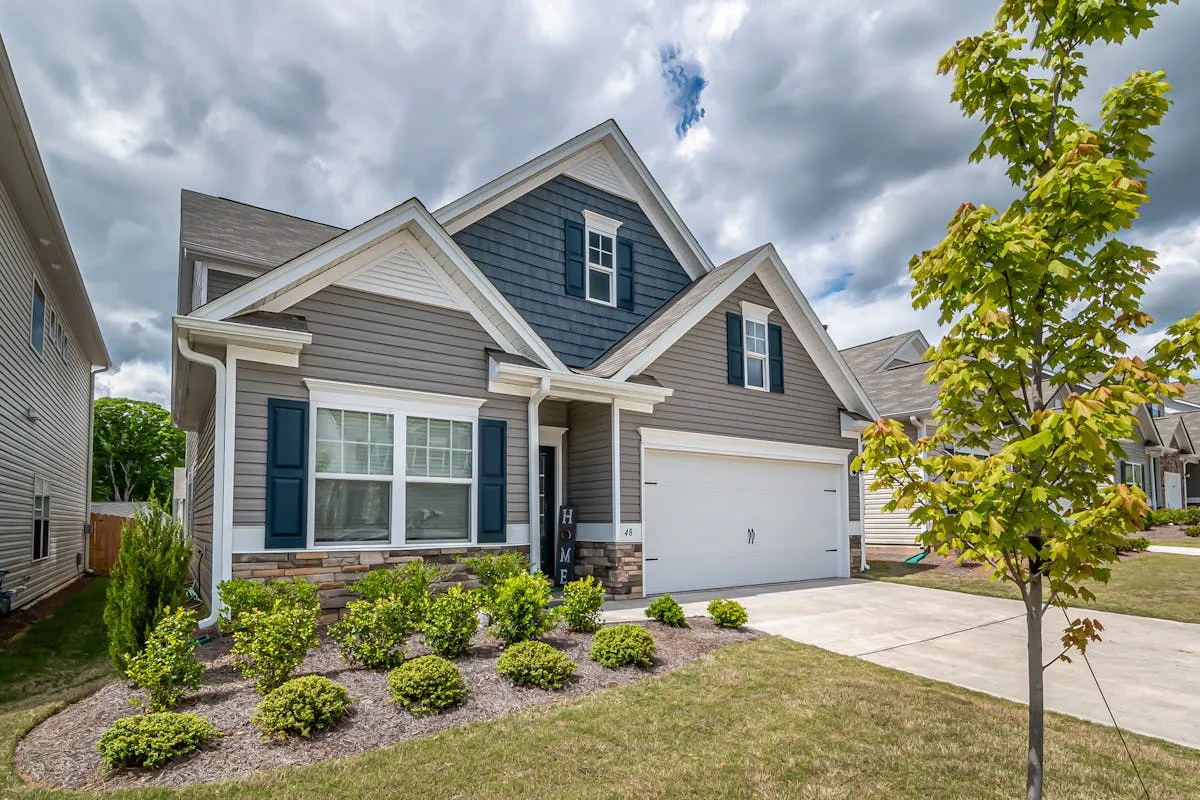
Hardie Board and Fiber Cement Siding Care: Complete Guide
Clean Hardie board and fiber cement siding safely following manufacturer guidelines. Proper pressure, chemicals, caulk protection, and techniques for painted vs unpainted fiber cement.
Quick Answer
Clean Hardie board and fiber cement siding using low pressure (1,500 PSI max per James Hardie guidelines), white nozzle only, and mild cleaners like dish soap (1-2 tablespoons/gallon) or sodium percarbonate (6-8 oz/gallon). Protect caulk joints, avoid direct spraying at siding edges, and test painted surfaces first—some paint formulations can be damaged by pressure washing.
Key Takeaways
- Follow manufacturer guidelines - 1,500 PSI max, white nozzle only
- Protect caulk joints - These are the most vulnerable part of fiber cement systems
- Test painted surfaces - Some paint formulations don’t tolerate pressure washing well
- Mild cleaners only - No harsh acids or solvents that can damage the surface
- Never spray at edges - Water penetration behind siding causes problems
Understanding Fiber Cement Siding
Fiber cement siding (James Hardie is the most recognized brand, but there are others) is a composite made from cement, sand, and cellulose fibers. It’s durable, fire-resistant, and holds paint beautifully. But it has specific cleaning requirements that differ from vinyl, wood, or other siding materials.
Cement and sand provide fiber cement strength. Cellulose fibers provide flexibility and prevent cracking. The surface is porous like concrete, which means it absorbs stains if not sealed properly. Most fiber cement is pre-primed at the factory, then painted after installation. The paint system is critical—damaging the paint means re-painting entire sections.
Fiber cement is heavy—much heavier than vinyl or wood siding. This weight means specific fastening systems and careful handling. Boards overlap like wood siding, with caulk at joints and around penetrations. The caulk is part of the waterproofing system—damaging it compromises the entire wall.
Fiber cement is durable but has specific vulnerabilities: the caulk joints, the painted surface, the edges where boards meet.
The Damage You Can Do
Damaging Caulk Joints
This is the most common and most expensive mistake. High pressure or aggressive spraying damages caulk at board joints, around windows, at corners. Once caulk is compromised, water penetrates behind the siding. You won’t see the damage immediately, but months or years later you’ll find rot, mold, and structural issues.
Re-caulking a whole house is expensive—$1,000-3,000 for professional work. And you can’t just caulk over damaged caulk—it must be removed first.
Damaging Painted Surfaces
Painted fiber cement siding can handle pressure washing, but not all paint systems are equal. Some formulations (especially lower-quality paints or improper application) don’t adhere well and will peel or chip under pressure washing.
The problem is you won’t know until you test. You could start washing happily, then notice paint peeling three walls in. Now you’re re-painting your house—$5,000-15,000 depending on size and quality.
Forcing Water Behind Siding
Never spray at the edges of siding boards where they overlap. Never spray upward at an angle that forces water under the laps. Water behind siding causes mold, rot, and structural damage. You won’t see it until it’s extensive and expensive.
Etching the Surface
Harsh chemicals (strong acids, solvents) can etch or permanently stain fiber cement. The surface is porous like concrete—stains penetrate deeply. Once stained, they’re difficult or impossible to remove.
Damaging the Surface Texture
Some fiber cement has a wood-grain texture. High pressure or aggressive nozzles can smooth out this texture, creating an obvious patch that doesn’t match the rest of the house. You can’t restore the texture—you’re replacing boards.
Manufacturer Guidelines (James Hardie)
James Hardie provides specific cleaning guidelines for their products:
Pressure Limits
1,500 PSI maximum. This isn’t a suggestion—it’s the limit. Exceeding 1,500 PSI voids warranties and can damage the siding.
Nozzle Selection
White (40°) nozzle only. James Hardie specifically warns against using nozzles smaller than 40° (green, yellow, red are all too aggressive).
Spray Angle
Spray straight on or at a slight downward angle. Never spray upward—this forces water under the laps and behind siding.
Chemical Guidelines
- Mild detergent (dish soap) solution for general cleaning
- No abrasive cleaners
- No solvents
- No oil-based cleaners
- No strong acids or alkalis
- No wire brushes or abrasive pads
For stubborn stains, James Hardie recommends specific cleaners for specific stain types but emphasizes starting with the mildest option first.
Caulk Protection
Never direct high-pressure spray at caulk joints. Maintain extra distance from corners, windows, doors, and other penetrations where caulk is present.
Equipment for Fiber Cement
Pressure Washer
1,500 PSI maximum—this is the critical limit. Many pros use larger machines turned way down, but for homeowners a machine that can’t exceed 2,000 PSI eliminates temptation. 1.5-2.0 GPM is adequate.
If you only have access to a higher PSI machine, turn it down to 1,500 PSI or less. Test on a small, inconspicuous area first.
Nozzles
White (40°) nozzle only. Period. No green, yellow, or red. James Hardie is specific about this for a reason.
Chemical Application
Pump sprayer (2-3 gallon) gives you control over where cleaner goes and how much. Downstream injector works but makes protecting caulk joints more difficult.
Brushes
Soft synthetic bristle brush or car wash brush for agitating cleaner on stubborn stains. No wire brushes, no abrasive pads—these will damage the surface texture.
Extension Wand
For two-story homes, a 12-24 foot extension wand helps reach upper siding without ladders. Use fiberglass poles—no aluminum near electrical service.
Chemical Selection
Mild Detergent Solution
For general cleaning and routine maintenance:
- Dish soap: 1-2 tablespoons per gallon of water
- Or dedicated house wash (mild, pH-neutral)
This is sufficient for most fiber cement cleaning. The surface doesn’t accumulate grime like wood—mostly dust, pollen, and mild atmospheric dirt.
Sodium Percarbonate (Oxygen Bleach)
For heavier organic growth (algae, mildew):
- Mix 6-8 ounces per gallon of water
- Apply with pump sprayer
- Let dwell 15-20 minutes
- Rinse thoroughly
Sodium percarbonate is gentle enough for fiber cement and won’t damage caulk or paint when used properly.
Specialized Cleaners
For specific stain types, use dedicated cleaners:
- Rust stains: Oxalic acid-based rust remover (4-6 ounces per gallon)
- Mold/mildew: Sodium hypochlorite (bleach) solution, BUT use caution—bleach can damage some paints and caulk. Test first, use minimal concentration (1:1 with water), rinse thoroughly.
- Organic stains: Enzyme-based cleaners or sodium percarbonate
What to Avoid
No strong acids (except oxalic for rust). No solvents. No petroleum-based cleaners. No abrasive cleaners. No wire brushes or abrasive pads. No chlorine bleach unless absolutely necessary for mold—and even then, test first.
Preparation
Inspect the Siding
Walk the entire house and note:
- Caulk condition at joints, corners, windows, doors
- Paint condition—any peeling, chipping, or blistering
- Damage or cracks
- Areas with heavy organic growth
- Stains that will need special treatment
Make repairs before cleaning. Re-caulk where needed. Touch up paint if necessary.
Protect Landscaping
Cover plants within 10 feet with tarps. Pre-saturate with water before covering. Cover decorative stone, mulch, or other surfaces that could be stained by runoff.
Close and Protect
Close all windows and doors. Cover vents and exhaust fans. Remove or cover light fixtures. Cover electrical outlets.
Test Painted Surfaces
This is critical. Find a small, inconspicuous area (behind a bush, low corner). Apply your cleaning process (cleaner, dwell, rinse with pressure washer at full distance you’ll use). Let dry completely. Check for paint damage—peeling, chipping, loss of adhesion.
If paint is damaged, switch to hand-cleaning with sponge and mild detergent. Skip the pressure washer entirely.
Plan Your Approach
Work systematically: one wall at a time, top to bottom. Plan where you’ll start and how you’ll move around the house. Consider water runoff.
The Cleaning Process
Step 1: Pre-Rinse
Light rinse with garden hose or white nozzle on pressure washer (stay 18+ inches back). Remove loose dirt and debris.
Step 2: Apply Cleaner
For general cleaning, mix mild detergent solution (1-2 tablespoons dish soap per gallon). For heavier growth, use sodium percarbonate (6-8 ounces per gallon).
Apply with pump sprayer, working in sections. Keep cleaner off caulk joints as much as possible.
Let dwell 10-15 minutes for detergent, 15-20 minutes for sodium percarbonate. Keep surfaces wet—mist occasionally if drying.
Step 3: Agitate (If Needed)
For stubborn stains or heavy growth, agitate with soft synthetic brush. No abrasive scrubbing—just light agitation to help cleaner work.
Step 4: Rinse
Rinse with white nozzle, staying 12-18 inches from surface. Move constantly—never hold still. Overlap passes by 50%.
Start at the top and work down. Spray straight on or at a slight downward angle. NEVER spray upward.
Keep the wand moving and stay extra distance from caulk joints, corners, windows, and other penetrations.
Rinse thoroughly—no suds, no foam, cleaner smell completely gone.
Step 5: Treat Stubborn Stains
For remaining stains, apply appropriate specialized cleaner:
- Rust: Oxalic acid solution (4-6 ounces per gallon). Apply, let dwell 10-15 minutes, rinse.
- Mold: Bleach solution (1:1 with water) ONLY if paint test passed. Apply, let dwell 5-10 minutes MAX, rinse thoroughly. Bleach damages paint and caulk—use as last resort.
- Organic: Re-apply sodium percarbonate at stronger concentration (8 ounces per gallon) or use enzyme-based cleaner.
Step 6: Final Rinse
Final thorough rinse with garden hose. Ensure no cleaner residue remains.
Special Considerations
Painted vs Unpainted
Painted Fiber Cement:
- Test first—paint is the vulnerability
- Use lower pressure (1,200 PSI) if paint seems fragile
- Hand-clean with sponge and mild detergent if paint test fails
- Re-paint any areas where paint is damaged
Unpainted (Primed Only) Fiber Cement:
- More tolerant of pressure washing
- Still follow 1,500 PSI max guideline
- Clean with mild detergent or sodium percarbonate
- Paint after cleaning if desired
Caulk Joint Protection
Caulk joints are critical to the waterproofing system:
- Never direct spray directly at caulk
- Stay 24+ inches away from caulked areas
- Consider hand-cleaning near caulk with sponge
- Inspect caulk after cleaning—re-caulk if damaged
Two-Story Homes
For upper floors, use extension wand or hire a pro. Do NOT use ladders with pressure wands—dangerous and unstable.
Be extra careful on upper floors—you can’t see caulk condition as well, and a mistake affects a larger area.
Textured Fiber Cement
Some fiber cement has wood-grain or other texture:
- Use lower pressure (1,200 PSI) on textured surfaces
- No aggressive scrubbing that could smooth texture
- Test small area first—texture is difficult to restore if damaged
After Cleaning
Inspect for Damage
Check carefully for:
- Caulk damage—cracks, gaps, missing sections
- Paint damage—peeling, chipping, blistering
- Surface damage—rough spots, etched areas
- Water penetration behind siding (check inside for moisture)
Repair any damage promptly. Caulk gaps and cracks. Touch up paint. Address water penetration issues immediately.
Re-Paint if Needed
If paint was damaged or if you want to refresh the appearance:
- Allow siding to dry completely (48-72 hours)
- Use high-quality exterior paint formulated for fiber cement
- Follow manufacturer’s painting guidelines
- Two coats better than one for durability and coverage
Common Problems and Solutions
Paint Peeling After Washing
Paint wasn’t adhering well or was damaged by pressure. Stop pressure washing. Hand-clean remaining areas with sponge and mild detergent. Re-paint damaged areas (feather edges for seamless repair).
Caulk Damaged or Missing
High pressure or aggressive spraying damaged caulk. Remove damaged caulk completely (tedious but necessary). Re-caulk with high-quality exterior caulk formulated for fiber cement. Allow to cure completely before exposing to water.
Water Stains or Efflorescence
Mineral deposits from water running down siding. Clean with mild detergent solution. Stubborn deposits might need light scrubbing with soft brush. Rinse thoroughly.
Rust Stains
Metal fixtures, gutters, or fasteners rusting and staining siding. Clean with oxalic acid solution (4-6 ounces per gallon). Address rust source—replace rusted fasteners or fixtures.
Mold Returning Quickly
Shady area, poor drainage, or vegetation too close. Trim vegetation for more sunlight and airflow. Consider applying mold-resistant primer before re-painting problem areas. Clean more frequently (annually instead of every 2-3 years).
Pro Tips
Test Everything
Test paint. Test caulk condition. Test your cleaning process on a small area first. Fiber cement is durable but paint and caulk are vulnerable. Better to spend 30 minutes testing than thousands repairing.
Work Top to Bottom
Always. Gravity is your friend. Cleaning bottom to top means dirty water running onto clean areas.
Keep Your Distance
Stay 12-18 inches from siding surfaces. Stay 24+ inches from caulk joints and penetrations. The temptation to get closer for better cleaning is strong—resist it.
Hand-Clean Vulnerable Areas
For areas with caulk, delicate paint, or unknown condition, skip the pressure washer and hand-clean with sponge and mild detergent. Slower but safer.
Inspect Annually
Walk around your house once a year and check caulk, paint, and siding condition. Catch issues early when they’re small repairs, not major projects.
Consider Hiring a Pro for Two-Story Homes
Upper floors are harder to clean safely. You can’t see details as well. Mistakes affect larger areas. Professional cleaning might be cheaper than damaging second-story siding and paying for repairs.
DIY vs. Hiring a Pro
Hire a professional for:
- Two-story homes (high-reach equipment and experience)
- Homes with extensive caulk work or delicate paint
- Large homes (3,000+ sq ft) or complex architecture
- Homes with known paint or caulk issues
Professional fiber cement cleaning: $0.40-0.80 per sq ft. A 2,000 sq ft home runs $800-1,600.
DIY materials: $20-30 for dish soap, $40-60 for sodium percarbonate cleaner, $25-40 for specialized cleaners if needed. Total: $85-130. Time: 8-16 hours for typical 2,000 sq ft home.
Risk: Moderate to high. Paint damage is expensive to fix. Caulk damage is expensive and tedious to repair. Water penetration behind siding causes major structural issues.
Maintenance
Inspect fiber cement siding annually for:
- Caulk condition—cracks, gaps, shrinkage
- Paint condition—peeling, chipping, fading
- Damage from hail, wind, or impact
- Mold or algae growth (especially shaded areas)
- Rust stains from metal fixtures
Clean every 2-3 years with mild detergent or sodium percarbonate cleaner. Homes in humid or shaded areas may need annual cleaning.
Re-paint every 10-15 years with high-quality exterior paint formulated for fiber cement. Proper surface preparation and painting are critical for longevity.
Re-caulk as needed—caulk typically lasts 10-20 years depending on quality and exposure. Replace caulk that shows any signs of failure.
Trim vegetation away from siding. Ensure gutters and downspouts direct water away from the house. Maintain good airflow around the structure.
Next Steps
Was this article helpful?
Your feedback helps us improve our content.
Related Articles
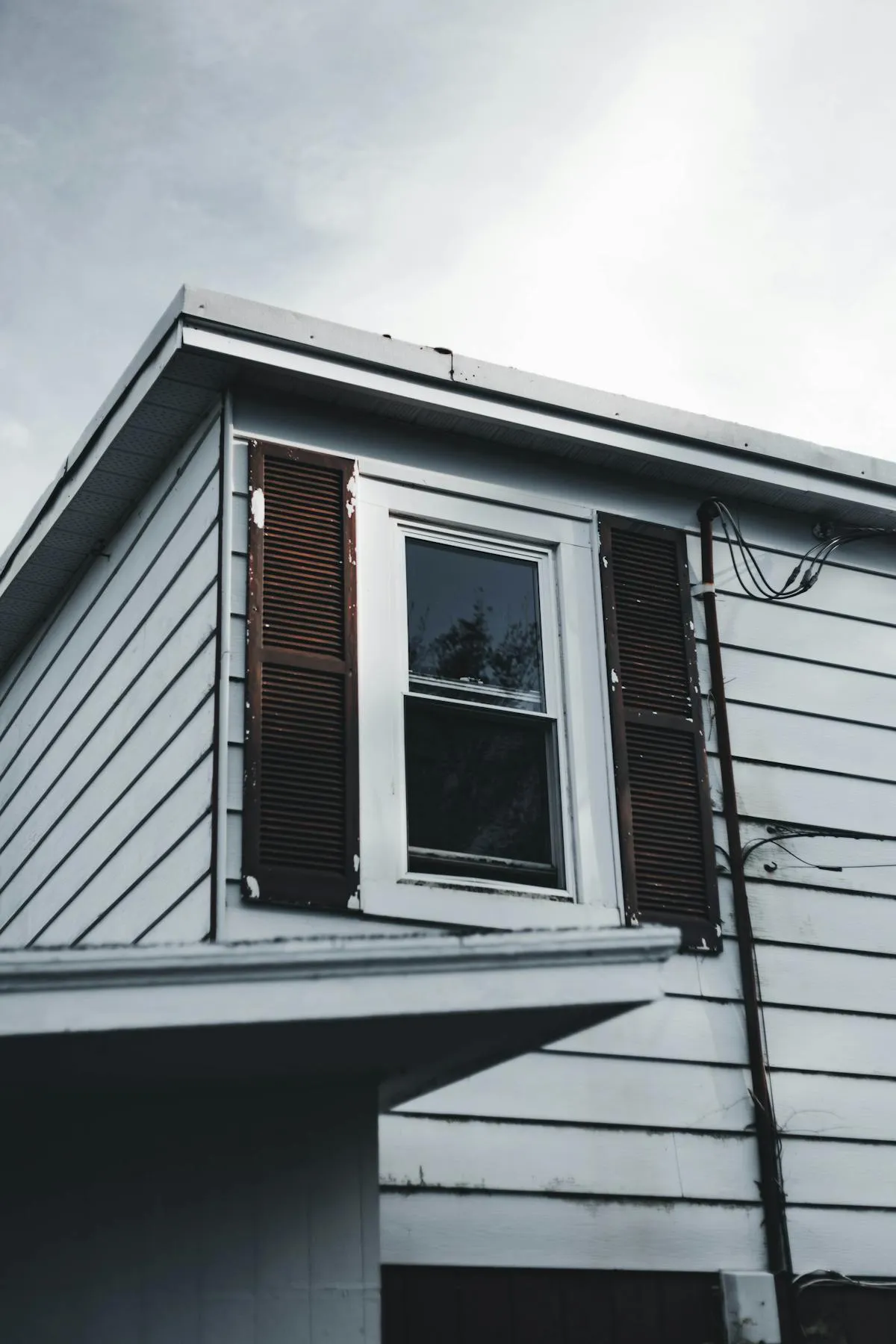
Washing a Two-Story House Safely: Complete Guide
Learn how to safely pressure wash a two-story house using extension wands, ladders, and proper second-story techniques. Professional methods for homeowners and contractors.
Brick Exterior Washing: Mortar-Safe Techniques and Efflorescence Removal
Complete guide to cleaning brick exterior walls: mortar-safe techniques, efflorescence removal, avoiding sandblasting damage, and proper pressure washing methods.

Sodium Percarbonate: Oxygen Bleach for Wood Cleaning
Sodium percarbonate (oxygen bleach) for wood cleaning, deck restoration, and composite surface maintenance. Mix ratios, application techniques, and when to use it instead of chlorine bleach.