
Gutter Cleaning Guide: Safe and Effective Gutter Maintenance
Clean gutters safely: remove debris, flush downspouts, prevent water damage, and protect your home's foundation.
Key Takeaways
- Falls matter—use proper ladder technique every time
- Clean twice yearly: spring and fall
- Clogged downspouts are the real problem
- Gutter guards reduce, not eliminate, maintenance
- Professional cleaning is cheap compared to water damage
Why Gutters Matter
Clogged gutters cause tens of thousands of dollars in foundation damage. Gutters are your home’s first line of defense. When they clog, water has nowhere to go but down the foundation wall or into the basement. That leads to cracked foundations, eroded landscapes, rotted fascia, and mosquito breeding grounds.
Gutters collect roof runoff and channel it to downspouts, which carry it away from your house. Simple in theory. Clogged gutters can’t do that job. And the clog is usually in the downspout, not the gutter itself.
When to clean:
Spring and fall. Spring removes winter debris and dead leaves. Fall removes fresh leaves before they pack down. After heavy storms too. And if you see leaves in the gutter or water overflowing during rain, don’t wait.
Visual signs something’s wrong:
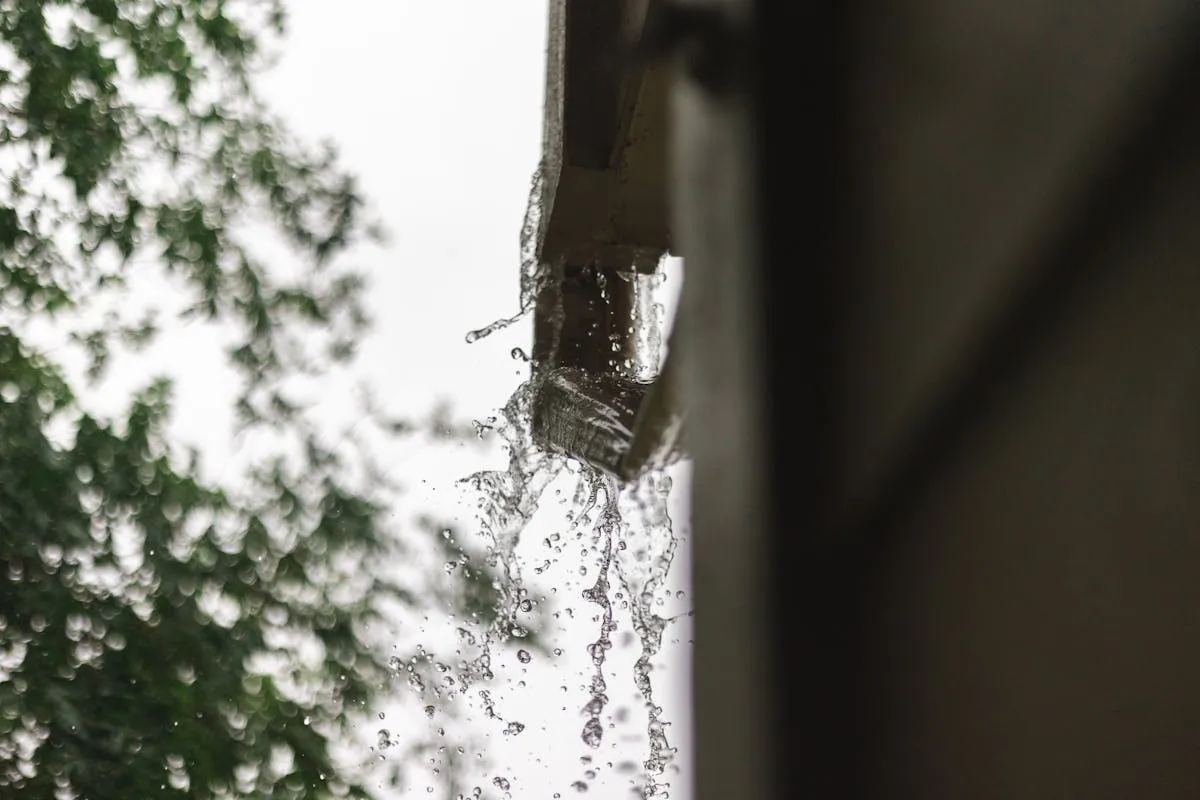
Leaves and debris visible in the gutter. Weeds or grass growing out of it. Water staining on the siding below. Gutters that sag under the weight of debris. Water pouring over the gutter edge instead of flowing through it. These are all signs it’s time.
Most clogs happen in the downspout, not the gutter itself. A clogged downspout makes your entire gutter system useless.
Ladder Safety
This is serious. Ladder accidents are one of the top reasons people end up in the emergency room doing home maintenance. Thousands per year. Let’s not add you to that list. See our ladder safety guide for complete safety protocols.
Get the right ladder. An extension ladder works for most single-story homes. Articulating ladders are good for uneven ground. Skip step ladders and painter ladders—they’re not designed for gutter work. Use at least a Type I rated ladder (250+ lbs), or Type IA (300+ lbs) if you want something that’ll last.
Set it up right. Level ground, no stacking boxes underneath. Extend the ladder so the top is at least 3 feet above the gutter. Use the 4:1 rule: for every 4 feet the ladder goes up, the base should be 1 foot away from the wall. Too vertical and it’s unstable. Too shallow and you’ll slip.
Tie the ladder off if you can. Rope or strap around something solid. Use stabilizers at the top if your ladder has them. Ideally, have someone hold the base.
Climb smart. Three points of contact at all times—two feet and one hand, or two hands and one foot. Face the ladder. Don’t reach sideways. Move the ladder instead of stretching. Carry tools in a belt or bucket, not your hands.
Work in decent weather. No rain. No wind. Early morning, so if something goes wrong, it’s easier to get help. If you’re uncomfortable with heights, don’t fake it. Hire someone.
For multi-story homes or steep roofs, hire a professional. It costs $150–400. An ER visit costs more, and you might miss weeks of work with an injury.
4:1 rule: For every 4 feet up, 1 foot out from the wall. This prevents tipping. Too steep = unstable. Too shallow = you slip.
What You’ll Need
Plastic scoop for debris, stiff brush for scrubbing, whisk broom, work gloves, eye protection. A wet/dry shop vac is invaluable for sludge and wet debris. Garden hose for flushing. Plumber’s snake for downspout clogs. Tool belt to keep your hands free on the ladder. Non-slip shoes. And definitely gloves—old gutters have sharp edges and can harbor nasty stuff.
Optional: A gutter camera ($300–500) to inspect without climbing, leaf blower to clear loose debris, or a pressure washer (but be careful with gutters—low pressure only, under 1,500 PSI, and you can damage them easily).
The Process
Set up and inspect. Move furniture and plants away. Get your ladder properly positioned per the safety section above. Walk the gutter line and note where debris is heavy, where it looks sagging, any visible damage.
Remove debris. Start at the downspout and work away from it. Use the scoop for dry leaves and twigs. For wet sludge, a wet/dry vac works better. Put debris in bags. Work in sections of 6–10 feet at a time. Move the ladder instead of reaching. Don’t lean sideways.
Flush the downspout. This is critical. A clogged downspout means your gutter is useless. Run a hose at full volume at the far end of the gutter and see if water flows out the downspout at ground level. It should flow freely. If it doesn’t, there’s a clog.
Clear clogs. Tap the sides of the downspout—sometimes this dislodges the blockage. If not, use a plumber’s snake fed from the top or bottom. High-pressure water from a hose might clear it too. If the downspout is removable, you can disconnect it and clear it directly.
Scrub if needed. For stubborn grime, use a brush and mild detergent. Rinse thoroughly. Don’t use a pressure washer on gutters unless you’re very careful—even low pressure (under 1,500 PSI) can dent them or pop seams.
Final flush. Run water through the entire gutter system again. Check that all downspouts flow freely. Look for leaks at joints. Make sure gutters are still securely attached. Clean up any debris below.
Run water from the far end of the gutter and watch it flow at the downspout outlet. Free flow means success. No flow means a clog.
Gutter Guards
Do they work? Partially. They reduce maintenance but don’t eliminate it. You’ll clean less often—every 2–3 years instead of annually—but small debris still gets through.
Mesh screens ($3–7/linear foot) block leaves but not pine needles. Foam inserts ($4–8/linear foot) are affordable but absorb water and can freeze and damage gutters in cold climates. Reverse curve guards ($7–15/linear foot) are the best performers—water clings and flows around them while debris rolls off.
Professional installation runs $600–2,000. DIY kits are cheaper but require work.
Get guards if you have heavy trees, you’re older and ladders are risky, or your roof is steep. Skip them if you don’t have much debris to begin with or you’re comfortable doing the twice-yearly cleaning yourself.
Just know: they’re not maintenance-free. You’ll still need to check them occasionally.
Even the best gutter guards reduce maintenance—they don't eliminate it. Plan to inspect them at least annually.
Common Problems
Clogged downspouts. Water overflows from the gutter instead of flowing down the downspout. The clog is usually debris buildup or a bend in the downspout. Try tapping the side of the downspout first—you might dislodge it. Feed a plumber’s snake down from the top or bottom. A strong hose flush can work too. If the downspout is removable, disconnect it and clear it directly. If nothing works and you can’t see the clog, call a pro.
Sagging gutters. The weight of debris or failure of the hangers. If the hangers are just loose, tighten the screws. If they’ve pulled out, re-screw into solid fascia. If the fascia itself is rotten—soft, crumbly wood—it needs to be replaced by a carpenter before you can re-hang the gutter. Sagging gutters don’t drain properly and cause the problems we discussed at the start.
Leaking joints. The sealant degrades over time. Clean out the old sealant and debris with a scraper. Apply new exterior-grade rubber mastic or silicone. Smooth it out and let it cure per the product directions before running water through it. If the leak persists, the section might need replacement.
Staying on Top of It
Spring and fall cleanings. That’s the baseline. More often if you have heavy trees. After storms too.
In spring, remove the winter debris and check for damage. Ice and snow can pull gutters and damage seams. Make sure downspouts flow freely for the spring rains.
In fall, remove fresh leaves before they pack down and rot. Flush thoroughly so nothing clogs during winter. Check for damage and repair it.
Monthly, just look at the gutters from the ground. If you see leaves accumulating, get them out. After a storm, check for damage and clogs.
DIY or Professional
DIY cleaning costs $50–200 in tools and takes 4–8 hours the first time. Professional cleaning runs $115–750 depending on house size and story count. Single story is $0.75–1.25 per linear foot. Multi-story is more.
Hire a professional if you’re uncomfortable with ladders, have a multi-story home, or just want it done fast and safely. For most people, $150–300 is cheap insurance against a fall or water damage.
When you hire someone, get multiple quotes, check reviews and insurance, and ask what’s included.
Professional: $150–300, safe, fast. DIY: $50–200 but risks a fall and weeks of medical recovery.
Other Issues
Gutters overflow but aren’t clogged. The pitch is wrong, or there aren’t enough downspouts. You need roughly 1 downspout per 1,200 square feet of roof. If water’s overflowing, your gutter system isn’t sized right or pitched correctly. This is a professional install issue.
Ice dams in winter. Heat escapes the attic, melts snow on the roof, and the water refreezes at the gutter edge. Better attic insulation and ventilation prevent this long-term. Short-term, heated cables work. Don’t chip away at ice dams—you’ll damage the roof.
Mosquitoes breeding in the gutters. Standing water is their nursery. This happens when gutters clog or don’t pitch correctly. Regular cleaning, proper slope, and eliminating standing water breaks the cycle.
Bottom Line
Ladder safety is everything. Level ground, 4:1 angle, three points of contact, never overreach. Don’t work in rain or wind. If you’re uncomfortable with heights, hire someone.
Clean twice a year. Test downspouts—they’re the critical piece. Fix clogs and leaks right away. Consider guards if you have heavy trees, but know they’re not maintenance-free.
One fall means serious injury or worse. An ER visit costs more than professional cleaning. Don’t take shortcuts.
Next Steps
Clean your gutters safely:
Was this article helpful?
Your feedback helps us improve our content.
Related Articles

Soft Washing Guide: Low-Pressure Cleaning with Chemicals
What is soft washing? Low-pressure cleaning with specialized chemicals. When to use soft washing, equipment, chemicals, and techniques for safe, effective cleaning.
Roof Cleaning: Complete Guide to Safe Roof Algae and Moss Removal
Safe roof cleaning: remove black streaks, algae, and moss without damaging shingles. Proper techniques, chemical ratios, and safety precautions for roof cleaning.