
Pressure Washing Safety Guide: PPE, Procedures, and Best Practices
Essential pressure washing safety: PPE, equipment safety, chemical handling, working at heights, and job site safety protocols.
Pressure washing equipment can cause serious injury if used wrong. This guide covers what you need to know to protect yourself, your property, and others.
Critical Safety Reminders
🚨 Life-threatening hazards:
- High-pressure water can inject into skin (seek immediate medical care)
- Electrical shock from water + electricity
- Falls from ladders/heights
- Chemical exposure and fumes
- Carbon monoxide from gas engines (enclosed spaces)
Quick Navigation
- Personal Protective Equipment - Essential gear
- Equipment Safety - Safe operation
- Chemical Safety - Handling chemicals
- Job Site Safety - Protecting property and people
Featured Safety Guides
🛡️ Personal Protective Equipment
Gear that keeps you safe: eyes, ears, feet, skin. What to wear on every job.
Full Guide →🧪 Chemical Safety
How to handle bleach and other chemicals without getting hurt or damaging the property.
Full Guide →⚡ Electrical Safety
Water and electricity are a deadly mix. How to stay safe around power on job sites.
Full Guide →🪜 Working at Heights
How to use ladders safely and when to skip roof work. Falling is no joke.
Full Guide →Personal Protective Equipment (PPE)
Minimum Required PPE
👁️ Eye Protection:
- Safety goggles - Stop chemical splash and debris
- Face shield - Extra protection when applying chemicals
- Never: Regular glasses (they don’t protect enough)
🧤 Gloves:
- Nitrile or rubber - Won’t break down from chemicals
- Long cuffs - Protect your forearms too
- Waterproof - Keep hands from being wet all day
- Never: Cotton or leather (they soak up chemicals)
👟 Footwear:
- Closed-toe boots - Chemicals won’t touch your feet
- Slip-resistant - Wet decks and concrete are slippery
- Waterproof - Dry feet make for longer work days
- Steel toe - Extra protection if something falls
👕 Clothing:
- Long sleeves - Protects from sun and chemical splash
- Long pants - Same deal for your legs
- Rain or chemical suit - If you’re applying chemicals all day
- Hat - Saves you from sunburn
Additional PPE (Situational)
🎧 Hearing Protection:
- When: Gas engines and loud electric motors are running
- What: Earplugs or earmuffs (both work)
- Why: Your hearing doesn’t come back
😷 Respirator:
- When: Indoors, enclosed spaces, or heavy chemical application
- What: N95 minimum, or a half-face respirator for chemicals
- Why: You need your lungs working
⛑️ Fall Protection:
- When: On roofs or working high up
- What: Harness, rope, anchor point (rated properly)
- Why: Falls kill. Use it every time.
Equipment Safety
High-Pressure Water Hazards
⚠️ WATER INJECTION INJURY
What it is:
- High-pressure water goes through your skin
- Looks like a tiny wound
- Actually damages tissue deep inside
- Needs emergency medical care right now
Prevention:
- Never point the wand at anyone, any animal, or yourself
- Never put your hand in front of the nozzle
- Lock the trigger when you’re not spraying
- Keep distance from the surface you’re cleaning
If injection occurs:
- Go to the ER. Now.
- Don’t try to treat it yourself
- Tell the doctor it’s a high-pressure injection injury
- The wound looks small but the damage is deep
Safe Operation Practices
Starting/stopping:
- Lock the trigger before the engine starts
- Use both hands on the wand when it’s pressurized
- Point the nozzle somewhere safe
- Bleed pressure before you put it down
During operation:
- Plant your feet where you won’t slip
- Know what’s around you at all times
- No kids or pets in the work area
- Take breaks before you get tired (tired mistakes are the worst)
Refueling:
- Engine off and cooled down
- Refuel outside, never in a shed or garage
- Wipe up any spilled fuel
- Hot equipment + fuel = fire
Nozzle Safety
Red nozzle (0°) WARNING:
- This nozzle injures people
- This nozzle destroys surfaces
- Use it only if you know exactly what you’re doing
- Never: On houses, vehicles, pets, or people
Nozzle changes:
- Machine off
- Trigger pulled to bleed all pressure
- Let the machine fully stop
- Then change the nozzle
Chemical Safety
Handling Sodium Hypochlorite (SH)
PPE required:
- Goggles (chemical splash protection)
- Gloves (chemical resistant)
- Long sleeves and pants
- Respirator if indoors or poor ventilation
Safe handling:
- Add chemical to water (backwards is dangerous)
- Mix where air can flow
- Label everything clearly
- Never mix different chemicals together
Storage:
- Cool, dry, with air flowing
- Out of direct sun and heat
- In the original containers
- Never near acids (creates poison gas)
Spill response:
- If it’s big, get people out of there
- Get air moving through the space
- Wear your PPE
- Soak it up with something inert
- Follow local rules for disposal
Chemical Application Safety
Before application:
- Look at what plants are nearby
- Cover them or rinse them first
- Close up the house
- Protect anything that can’t handle the chemical
During application:
- Know which way the wind is blowing
- Don’t spray too much
- Work on one section at a time
- Step away for fresh air sometimes
After application:
- Rinse the plants you covered
- Get air moving
- Clean your equipment
- Put chemicals back safely
Working at Heights
Ladder Safety
Before climbing:
- Check the ladder for cracks or damage
- Set it on flat, solid ground
- Extend it 3 feet past the roof edge
- Tie it off at the top
On ladder:
- Keep 3 contact points (two hands, one foot, or two feet, one hand)
- Don’t lean too far sideways
- Never stand on the top rung
- Hang tools from a belt, or use a rope for buckets
Roof work:
- ⚠️ SERIOUS: Roof cleaning kills people
- Think hard about hiring a pro instead
- Use real fall protection every time
- Never work on a roof alone
- Skip steep roofs entirely
Fall Prevention
Best practices:
- Use a harness and anchor point
- Use the ladder instead of climbing
- Use long wands so you don’t have to get high
- Think through the risk before you start
Fall protection basics:
- Harness that fits your weight
- Anchor rated for at least 5,000 lbs
- Know how to use the equipment
- Check it before every use
Electrical Safety
Water + Electricity = DEADLY
Never:
- Pressure wash near power lines
- Spray electrical outlets or switches
- Put extension cords in water
- Touch electrical stuff with wet hands
Outlet safety:
- Use GFCI outlets (they cut power if something goes wrong)
- Cover outlets when not in use
- Never use damaged cords
- Use outdoor cords for outdoor work
Extension cord safety:
- Use the right wire thickness (12 gauge is safer than 14)
- Keep connections dry
- Don’t run cords through water
- Uncoil it fully so it doesn’t overheat
Equipment electrical safety
Electric pressure washers:
- GFCI outlet every time
- Check the cord before you start
- Don’t use if it’s frayed or damaged
- Keep connections dry and off wet ground
Gas pressure washers:
- Never indoors (carbon monoxide kills)
- Keep away from flames
- Let it cool before fueling
- Make sure exhaust can escape
Job Site Safety
Site Assessment
Before starting:
- Look for hazards (power lines, drop-offs, slippery surfaces)
- Plan what you’ll do and when
- Set up zones so nobody wanders into the spray
- Tell the owner what you’re doing
During work:
- Pick up trash and debris
- Watch for things people can trip on
- Route hoses so they’re not in the way
- Keep people out of the work area
Protecting Property
Surfaces:
- Test on a hidden spot first
- Use the right pressure for the material
- Protect anything delicate
- Don’t spray windows (they break)
Landscaping:
- Rinse plants with water first
- Cover anything sensitive with plastic
- Rinse again after you’re done
- Never spray directly at plants
Fixtures and features:
- Cover any outlets
- Move or cover furniture
- Protect decorative stuff
- Don’t aim at lights or cameras
Weather-Related Safety
Hot Weather
Risks:
- Heat exhaustion
- Dehydration
- Sunburn
Prevention:
- Start early, finish before the heat
- Drink water, not just sports drinks
- Rest in shade every hour or so
- Sunscreen matters
- Know the warning signs
Heat illness symptoms:
- Sweating a lot
- Headache, dizzy
- Nausea
- Confused thinking
- Action: Stop. Cool down. Drink water. If it’s bad, call for help.
Cold Weather
Risks:
- Hypothermia
- Slippery surfaces (ice)
- Equipment breaks in cold
Prevention:
- Dress in layers
- Stay dry
- Watch for ice
- Don’t run frozen equipment
- Winterize at the end of the season
Wind
Risks:
- Chemicals blow back in your face
- Equipment gets hard to control
- Debris flies everywhere
Prevention:
- No chemical application on windy days
- Work downwind
- Secure loose stuff
- Reschedule if it’s too windy
Emergency Procedures
Medical Emergencies
Call 911 for:
- Trouble breathing
- Chest pain
- Heavy bleeding
- Person passed out
- Bones might be broken
- Water injection injury (these are serious)
First aid kits should contain:
- Bandages and gauze
- Antiseptic
- Eye wash solution
- Burn cream
- Chemical neutralizer (for SH exposure)
Non-Medical Emergencies
Equipment malfunction:
- Turn it off right away
- Release all pressure
- Figure out what’s wrong
- Don’t use it until it’s fixed
Chemical spill:
- Stop the spill from spreading
- Get people out if it’s big
- Get air moving
- Clean it up properly
Property damage:
- Stop what you’re doing
- Take photos
- Tell the owner
- Fix it or hire someone to fix it
Safety Training
Beginner Training
Must learn:
- How to wear PPE correctly
- How to start and stop your equipment safely
- Which nozzles do what and when to use them
- How to handle chemicals
- How to stay aware on a job site
Resources:
- Watch the equipment manual videos
- Take industry training courses
- Find an experienced operator to learn from
- Start with easy jobs
Ongoing Training
Regular refresher on:
- New safety features on equipment
- Changes in how to do things safely
- What went wrong before (even if no one got hurt)
- New techniques and what they risk
Safety Checklist
Before Each Job
Personal:
- PPE is in good shape
- You’re rested and awake
- Sober
Equipment:
- Look for damage or wear
- Safety stuff works
- Turn it on and test it
Site:
- Look for hazards
- Set up work zones
- Protect what’s there
During Job
Monitoring:
- Know what’s happening around you
- Watch for problems
- Take breaks before you’re exhausted
- Drink water and eat
Adjusting:
- Switch up what you’re doing if it feels unsafe
- Stop if something changes
- Ask for help when you need it
After Job
Cleanup:
- Bleed all pressure
- Clean and put away your gear
- Get rid of chemicals the right way
- Take down signs
Learn More
Detailed guides on specific safety topics:
- PPE Guide - Gear that keeps you safe
- Chemical Safety - How to handle chemicals without getting hurt
- Electrical Safety - Water and electricity don’t mix
- Working at Heights - Ladders and roofs safely
Resources
Industry organizations:
- UAMCC (United Association of Mobile Contract Cleaners)
- PWNA (Power Washers of North America)
- Local pressure washing groups
Regulations you should know:
- OSHA rules
- EPA rules for chemicals
- Local permits and requirements
Training:
- Equipment maker training videos
- Industry certifications
- Safety courses online
The rule: No paycheck is worth getting hurt or hurting someone else. Slow down, follow the rules, and ask if you don’t know. You go home safe every day.
Was this article helpful?
Your feedback helps us improve our content.
Related Articles
Pressure Washing PPE Guide: Essential Protection for Every Job
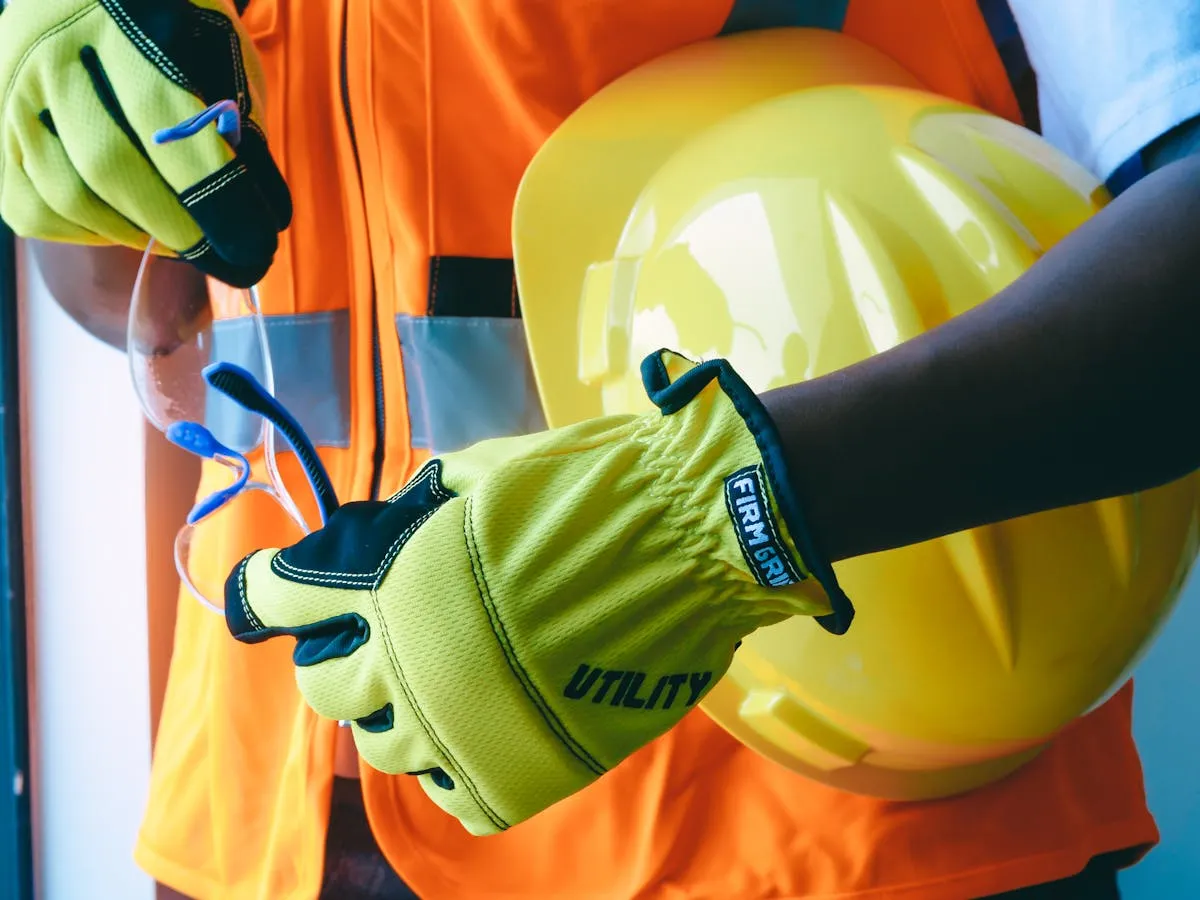
Complete guide to pressure washing personal protective equipment (PPE). Required gear, chemical protection, and safety standards.
Electrical Safety for Pressure Washing: GFCIs, Wet Conditions, Overhead Lines
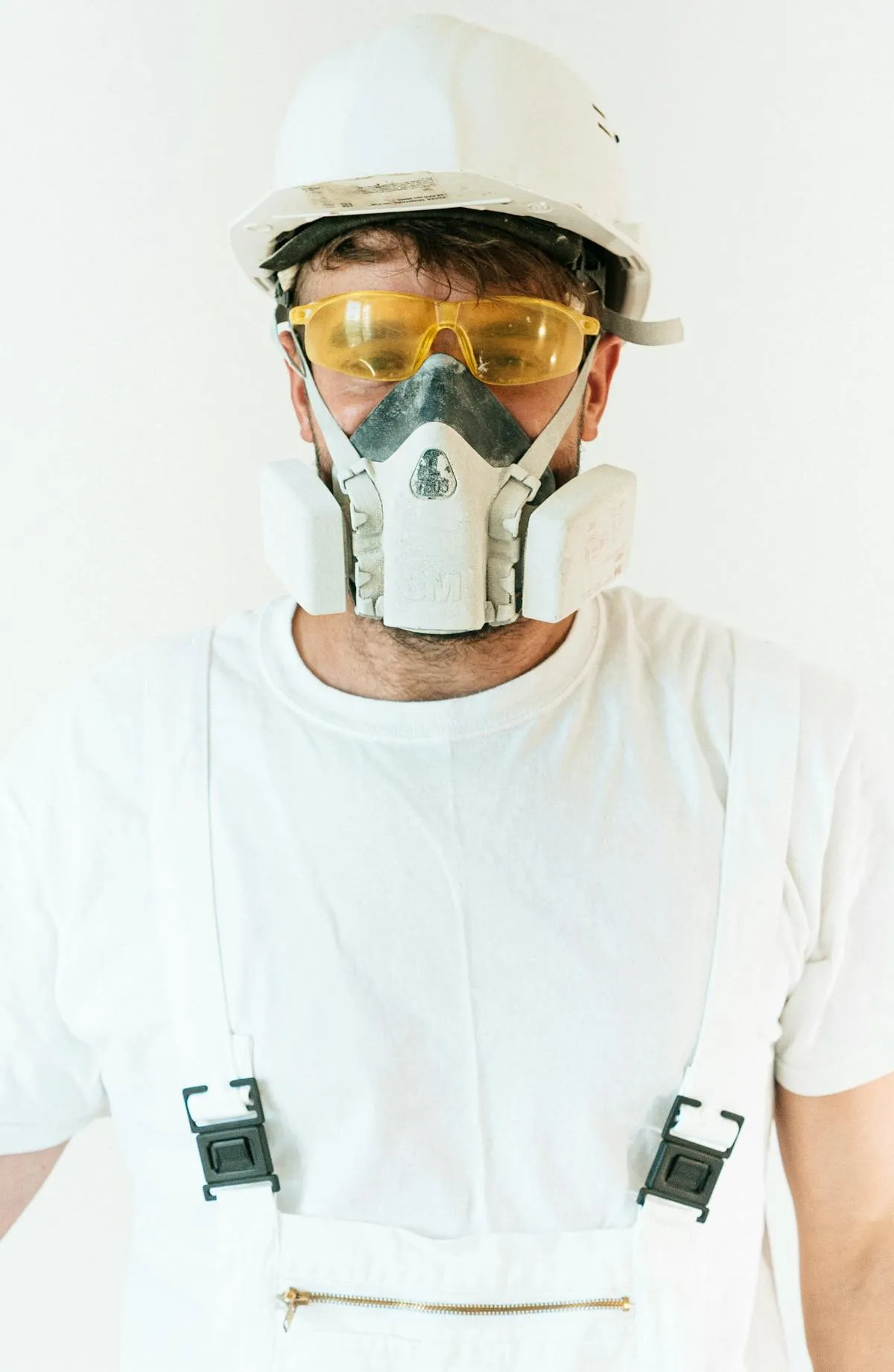
Critical electrical safety protocols for pressure washing. GFCI requirements, overhead power line safety, outlet protection, and preventing electrocution hazards in wet conditions.
Working at Heights in Pressure Washing: Safety Systems and Equipment for Elevated Work
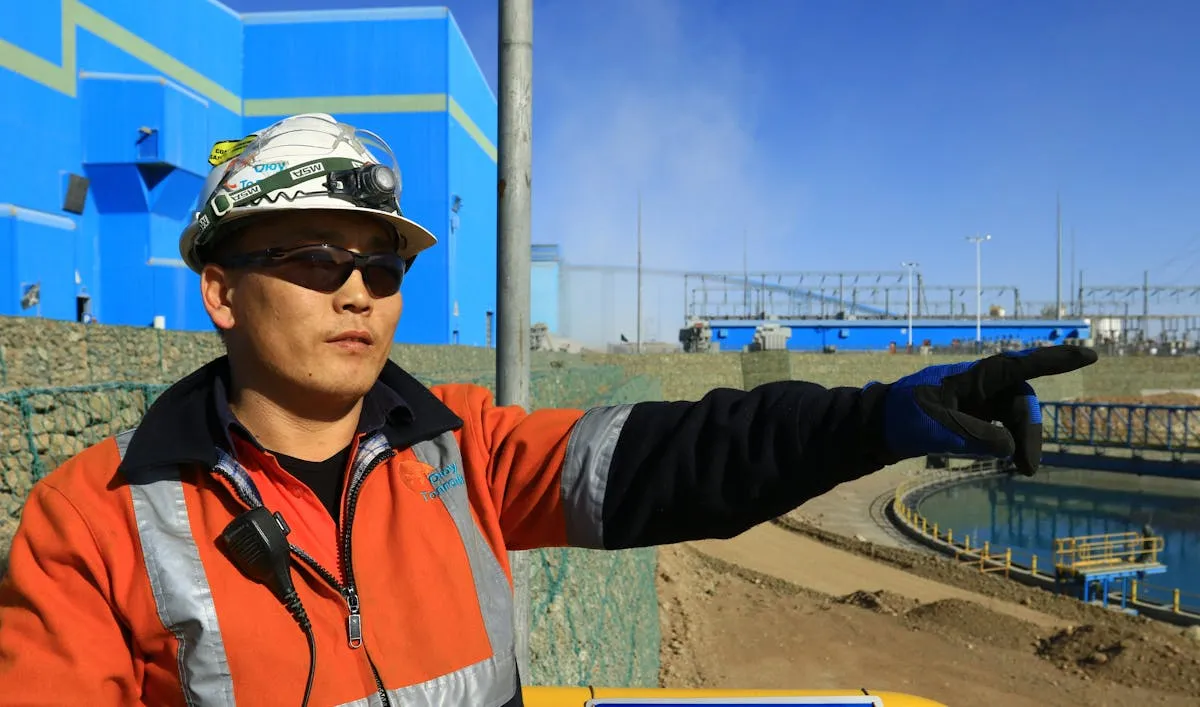
Comprehensive guide to safe working at heights for pressure washing professionals. Covers multi-story buildings, roof work, scissor lifts, boom lifts, fall protection systems, and insurance requirements for elevated work.

Pressure Washing Ladder Safety: Fall Protection and Working at Heights
Critical ladder safety protocols for pressure washing at heights. Fall protection, proper ladder setup, OSHA compliance, and alternative methods to avoid ladder risks entirely.