
Pressure Washing Chemical Products: Brands, Reviews, and Recommendations
Overview of pressure washing chemical brands and products: surfactants, sodium hypochlorite suppliers, acids, degreasers, wood cleaners. Organized by category with practical recommendations.
- Not all brands are equal: Industrial-grade products vastly outperform retail versions
- Buy from chemical distributors, not hardware stores — Price is 30-50% lower, quality is higher
- Sodium hypochlorite (SH) is a commodity — Different suppliers, same product; price and shipping matter most
- Surfactants are where differentiation happens — Brand quality significantly affects results
- Mix your own standard products (house wash, softwash) vs. buy specialty products (wood cleaners, brighteners)
- This is a hub, not a sales guide — Read full articles on specific chemicals for details
Sourcing Your Chemicals
Where to Buy: Distributor vs. Retail
Retail (Home Depot, Lowes, Amazon):
- Markup: 50-200% above cost
- Quality: Inconsistent
- Minimum volumes: Small (allows waste)
- Selection: Limited
- Reputation: Zero accountability
Chemical Distributors (local, regional, online):
- Markup: 20-40% above cost
- Quality: Consistent, industrial-grade
- Minimum volumes: 5-gallon drums or more (bulk pricing)
- Selection: Extensive
- Reputation: Depends on vendor, but supply chain accountability
Cost comparison (sodium hypochlorite):
- Retail: $40-60 per gallon
- Distributor: $15-25 per gallon
- Difference: Distributors cost 60-75% less
For surfactants:
- Retail: $50-80 per gallon
- Distributor: $20-35 per gallon
- Difference: Distributors cost 55-70% less
Pro move: Find 1-2 local chemical distributors and 1-2 online wholesalers. Compare pricing quarterly. Relationships matter—distributors often give loyalty discounts.
Sodium Hypochlorite (SH) Suppliers
Sodium hypochlorite is the foundation of exterior cleaning. You need reliable supply.
Major SH Suppliers
Local pool supply stores:
- Product: 10-12.5% SH
- Cost: $15-25 per gallon (usually around $0.13/oz of actual hypochlorite)
- Selection: Limited (one or two brands)
- Convenience: Local pickup, immediate supply
- Best for: Emergency supplies, small jobs
- Note: Building relationships here is valuable—loyalty discounts common
Regional chemical distributors:
- Product: 10-12.5% SH, often in 5-gallon drums or larger
- Cost: $12-20 per gallon (bulk pricing)
- Selection: Usually one or two brands
- Convenience: May require account setup
- Best for: Regular users, volume purchasing
- Examples: Local water treatment suppliers, janitorial suppliers, pool service distributors
National online suppliers (Bulk SH):
- Product: 10-12.5% SH, 5-gallon to 55-gallon drums
- Cost: $10-18 per gallon (varies by volume and shipping)
- Selection: Multiple brands and concentrations
- Convenience: Shipping (heavy and hazardous material surcharges)
- Pros: Competitive pricing, bulk discounts
- Cons: Shipping costs add up for smaller orders
- Examples: ChemicalFeed.com, PoolFlex, industrial suppliers
Industrial cleaning suppliers (Ecos, Chemdry):
- Product: SH and complementary products, co-packaged solutions
- Cost: $18-30 per gallon (premium for integrated solutions)
- Selection: SH + surfactants + other products bundled
- Convenience: Single-vendor relationship
- Best for: Integrated supply chain, less sourcing work
SH Concentration and Selection
Always buy 10-12.5% concentration (industrial-grade). This is the standard.
Never buy:
- Household bleach (3-6%)—too weak, too expensive per unit strength
- Liquid bleach from grocery stores—inconsistent concentration, over-packaged
- Anything below 10%—inefficient pricing per unit strength
What to look for:
- 10-12.5% concentration (standard)
- Stability (less degradation over time)
- Bulk pricing discounts
- Reasonable shipping (if ordering online)
Brands seen frequently:
- Clorox (industrial grade)
- Essentials or generic industrial brands
- Local/regional private labels
Honest assessment: SH is a commodity. All 12.5% SH from reputable suppliers performs identically. Buy based on total cost of goods (price + shipping + storage + time) and supplier reliability, not brand loyalty.
Surfactants and Soaps
Surfactants are where quality differentiation actually happens.
Premium Surfactant Brands
Elemonator — $25-40 per gallon
- Product: Botanical-derived surfactant
- Performance: Excellent cutting power, low foam
- Best for: House wash, soft wash, algaecide mixes
- Real feedback: Higher cost, superior results justify premium
- Sourcing: Specialty distributors, online
- Note: Often sold as concentrate; mixing matters
GreenWash or similar eco-brands — $20-35 per gallon
- Product: Plant-based or bio-degradable surfactants
- Performance: Good cleaning, environmental compliance
- Best for: Customers demanding eco-friendly options, municipalities with regulations
- Sourcing: Specialty suppliers
- Note: Performance matches conventional surfactants; premium is environmental
Generic industrial surfactants — $12-20 per gallon
- Product: Alkyl phenol ethoxylates (APE) or similar
- Performance: Solid, consistent cleaning
- Best for: Standard house wash, cost-sensitive work
- Sourcing: Chemical distributors everywhere
- Note: Workhorses of the industry; excellent value
Steramine or similar non-phenolic surfactants — $18-30 per gallon
- Product: APE-free formulations
- Performance: Strong performance without controversial ingredients
- Best for: Regions phasing out APE (California, some Northeast states)
- Sourcing: Specialty distributors
- Note: Future-proof choice as regulations tighten
Surfactant Sourcing Strategy
For house wash (most common):
- Buy industrial-grade generic surfactant from local distributor: $12-18/gallon
- Mix with SH and water per your standard recipe
- Cost per gallon of working solution: $2-4
For premium soft wash or algaecide work:
- Use Elemonator or branded premium surfactant: $30-40/gallon
- Higher cost justified by better performance and customer results
- Cost per gallon of working solution: $5-8
For eco-conscious customers or regulated areas:
- Use eco-branded or APE-free surfactant: $20-30/gallon
- Position as premium environmental choice
- Cost per gallon of working solution: $4-6
Acids and Acidic Products
Acids are essential for mineral removal, rust staining, and efflorescence.
Common Acid Products by Type
Citric acid (powder or solution):
- Form: Powder (mix yourself) or pre-mixed solution
- Cost: $5-15/pound (powder), $15-30/gallon (pre-mixed)
- Uses: Mineral staining, efflorescence, gentle on surfaces
- Safety: Lower hazard than strong acids
- Best for: Homeowners, light commercial work, concrete restoration
- Example brands: Food-grade citric acid (bulk), specialty cleaner brands
Oxalic acid (powder or solution):
- Form: Powder (mix yourself) or pre-mixed solution
- Cost: $15-30/pound (powder), $25-50/gallon (pre-mixed)
- Uses: Rust stains, iron oxide deposits, wood brightening
- Safety: Moderate hazard; PPE required
- Best for: Rust removal, wood restoration, masonry cleanup
- Example brands: D&B Supply, Zep, specialty brands
Phosphoric acid (solution):
- Form: Pre-mixed solution (rarely powder for pressure washing)
- Cost: $15-35/gallon
- Uses: Mineral deposits, hard-water staining, rust
- Safety: Moderate hazard; typical chemical handling
- Best for: Mineral stain removal, equipment descaling
- Example brands: Naval Jelly (common hardware store), industrial formulations
Hydrochloric acid (muriatic acid):
- Form: Liquid solution
- Cost: $8-15/gallon (industrial suppliers), $20-40/gallon (retail)
- Uses: Heavy mineral deposits, brick/masonry cleaning, aggressive work
- Safety: High hazard; respiratory protection required
- Best for: Professional masonry work, heavy industrial cleaning
- Example brands: Industrial suppliers only
- Note: Requires proper ventilation and PPE; not for beginners
Specialized acid blends (stone cleaners, masonry restorers):
- Product: Mixtures of acids + surfactants + inhibitors
- Cost: $25-50/gallon (premium positioning)
- Uses: Historic masonry, delicate surfaces, specific stains
- Best for: Specialty work, high-end residential restoration
- Example brands: Terminator HSD, Greased Lightning, specialty masonry brands
Acid Selection Strategy
For mineral deposits and hard-water staining:
- Use citric acid (safe, effective, customer-friendly)
- Cost: $20-30/gallon working solution
- Charge customer: $75-150 add-on service
For rust stains on masonry:
- Use oxalic acid
- Cost: $30-40/gallon working solution
- Charge customer: $100-200 add-on service
For aggressive mineral removal (mineral-heavy regions):
- Use phosphoric or dilute muriatic acid
- Cost: $15-25/gallon working solution
- Charge customer: $150-250 add-on service (hazard premium)
Pro move: Stock 2-3 acids and select based on stain type. Different jobs demand different acids. Oxalic beats citric on rust. Citric is safer and faster for general mineral staining.
Degreasers and Specialized Products
Degreasers are essential for commercial work, kitchens, driveways with oil stains.
Common Degreaser Products
D-Limonene based degreasers:
- Product: Orange peel extract; natural solvent
- Cost: $20-40/gallon
- Performance: Excellent for grease, oils, gum, grime
- Safety: Lower toxicity than mineral solvents; biodegradable
- Best for: Kitchen areas, concrete oil stains, sticky residue
- Example brands: Zep D-Limonene, Ecos, specialty brands
- Note: Slower than mineral degreasers but safer
Mineral-based solvents (petroleum distillates):
- Product: Kerosene-like solvents
- Cost: $12-25/gallon
- Performance: Fast, aggressive grease cutting
- Safety: Moderate toxicity; standard chemical PPE
- Best for: Heavy commercial grease, fast results
- Example brands: Generic industrial degreasers
- Note: Cost-effective; classic choice
Alkaline degreasers (caustic-based):
- Product: High-pH cleaners with surfactants
- Cost: $15-30/gallon
- Performance: Emulsifies grease into water; good dwell-time efficiency
- Safety: Caustic hazard; requires gloves and eye protection
- Best for: Large-scale commercial grease removal
- Example brands: Industrial suppliers
Enzyme-based cleaners:
- Product: Biological enzymes that break down organic matter
- Cost: $25-50/gallon (premium)
- Performance: Slower than chemical degreasers but effective long-term
- Safety: Very safe; biodegradable
- Best for: Eco-conscious customers, biological film removal
- Example brands: Eco-friendly specialty brands
Degreaser Selection for Common Jobs
Oil stains on residential driveway:
- D-Limonene degreaser
- Cost: $25-35/gallon
- Charge customer: $100-200 (add-on to pressure washing)
Restaurant kitchen or equipment cleaning:
- Mineral solvent or alkaline degreaser
- Cost: $15-25/gallon
- Charge customer: $200-400+ (commercial, high-value)
General commercial flatwork with light grease:
- Generic mineral degreaser
- Cost: $12-20/gallon
- Charge customer: $75-150 (add-on service)
Wood Cleaners and Brighteners
Wood cleaning is a specialty. Products matter significantly.
Wood Cleaner Products
Generic wood cleaners (oxalic acid based):
- Product: Pre-mixed oxalic solutions, often with surfactants
- Cost: $20-35/gallon
- Purpose: Removes mold, mildew, stains; restores wood color
- Best for: Decks, fences, wood siding
- Performance: Effective; requires proper dwell time
- Example brands: Zep, Olympic, Home Depot brands
- Note: Solid baseline product
Specialty wood restorers (deck cleaners/brighteners):
- Product: Multi-step: cleaner + brightener, often sold as kit
- Cost: $40-70 for system (both products)
- Purpose: Deep cleaning + color restoration
- Best for: Graying wood, professional restoration
- Performance: Excellent results; requires application discipline
- Example brands: Restore A Deck, Teak Wonder, premium brands
- Note: Higher cost justified by customer-visible results
Enzymatic wood cleaners:
- Product: Enzyme-based breakdown of organic stains
- Cost: $30-50/gallon
- Purpose: Biological growth removal (mold, algae, mildew)
- Best for: Heavily contaminated wood
- Performance: Slow but thorough
- Note: Eco-friendly; appeals to certain customers
Bleach-based wood cleaners (sodium hypochlorite + surfactant):
- Product: Pre-mixed SH + surfactant + water
- Cost: $15-25/gallon (packaged premium vs. mixing yourself)
- Purpose: Mold and mildew killing
- Best for: Mold-heavy surfaces, quick results
- Performance: Fast; aggressive
- Note: Buy components separately and mix (much cheaper)
Wood Product Strategy
For routine deck cleaning (most jobs):
- Mix oxalic acid + surfactant yourself: $5-8/gallon cost
- Charge customer: $100-200 add-on to pressure washing
For premium wood restoration (high-end residential):
- Use specialty wood restorer system: $40-60/gallon cost
- Charge customer: $250-500 add-on (justified by professional results)
- Upsell sealant after restoration (high margin)
For mold-heavy wood (shaded areas):
- Use bleach-based cleaner (SH + surfactant): $8-12/gallon cost
- Charge customer: $75-150 add-on
Specialty and Niche Products
Efflorescence Removers
Efflorescence is white mineral bloom on new masonry/concrete. Requires specific chemistry.
Products:
- Phosphoric acid blends: $20-35/gallon
- Specialized efflorescence removers: $30-50/gallon
- DIY: Phosphoric acid + water + surfactant mix
Sourcing: Specialty masonry suppliers, online
Market: New construction, masonry restoration professionals
Pricing: $150-300 add-on to pressure washing
Mold and Mildew Killers (Algaecides)
Beyond standard SH + surfactant house wash.
Specialty products:
- Quaternary ammonium (QAT) based killers: $20-40/gallon (longer residual)
- Zinc-based algaecides: $25-45/gallon (for specific algae types)
- Proprietary blends: $30-60/gallon (claimed superior performance)
Sourcing: Specialty pressure washing suppliers
Value prop: Longer residual (algae doesn’t return as fast)
Market: Commercial properties, high-mold regions
Rust Removers and Converters
For heavy rust stains where acid isn’t enough.
Products:
- Oxalic acid (for surface rust): $25-50/gallon working solution
- Specialized rust converters (chemical bonding): $30-60/gallon
- Chelating agents: $40-80/gallon (binds heavy metals)
Sourcing: Industrial suppliers, specialty brands
Application: Heavy rust removal, metal restoration
Sourcing Strategy Summary
Tier 1: Core Products (Buy in Bulk, Mix Yourself)
Sodium hypochlorite 12.5%
- Distributor: $15-25/gallon
- Usage: House wash, soft wash, algaecide base
- Order: 5-gallon drum or larger
- Rotation: Use regularly; single drum lasts months
Surfactant (generic industrial)
- Distributor: $12-20/gallon
- Usage: Mixed into SH-based solutions
- Order: 5-gallon drum
- Rotation: Regular mixing; drum lasts weeks to months
Water
- Cost: $0 (from your hose)
- Note: Hard water? Consider treatment
Total core cost per gallon working solution: $2-5
Tier 2: Specialty Products (Buy Pre-Mixed or Smaller Quantities)
Acids (citric, oxalic, phosphoric)
- Distributor or specialty supplier: $20-50/gallon
- Usage: Mineral staining, rust, efflorescence
- Order: Smaller quantities; doesn’t go bad
- Markup: 300-500% to customer (add-on service)
Wood cleaners
- Supplier: $25-50/gallon or kits
- Usage: Deck restoration, fence cleaning
- Order: Smaller quantities for testing
- Markup: 200-300% to customer
Degreasers
- Distributor: $15-40/gallon (depends on type)
- Usage: Commercial work, heavy grease
- Order: Smaller quantities; multiple types for different applications
- Markup: 200-400% to customer (commercial jobs)
Tier 3: Premium/Niche Products (Buy as Needed)
Specialty brands, enzyme products, high-end restorers
- Specialty distributors: $40-80/gallon
- Usage: High-end jobs, specific stain types
- Order: Small quantities for specific jobs
- Markup: 200-300% to customer
Budget Allocation Example
Contractor with $5,000 quarterly chemical budget:
- SH 12.5% (60%): $3,000 = 120-150 gallons = 1,200-1,500 gallons working solution
- Surfactants/base mixes (20%): $1,000 = 50-75 gallons for mixing
- Specialty acids and treatments (15%): $750 = experiment and stock various products
- Degreasers and wood products (5%): $250 = small quantities for specialty jobs
This allocation:
- Covers 100+ jobs per quarter at standard concentrations
- Allows profitable upsells on specialty work
- Leaves budget for testing new products
- Balances cost control with service variety
Quality Control Notes
Not all products are created equal. Test new suppliers:
- Price consistency: If pricing suddenly drops 30%, quality might have too
- Performance consistency: New batches of acid might have different dwell-time requirements
- Supplier stability: Distributors can change ownership or discontinue products
- Shelf life: Some products (especially acids) degrade over time
Pro practice: Keep product notes. Record what worked, what didn’t, dwell times, results. This becomes invaluable when you’re sourcing new suppliers or testing new products.
Related Reading
For detailed information on specific chemical types:
- Surfactants Guide — Deep dive into surfactant chemistry and selection
- Sodium Hypochlorite — SH sourcing, mixing, application, safety
- Degreasers — Detailed degreaser analysis
- Citric vs. Oxalic Acid — Acid selection and application
- Hard Water Treatment — Water quality impacts on chemical performance
- Chemical Safety — Safe handling, PPE, disposal
- Understanding SDS — How to read product information
Quick Sourcing Checklist
Before buying from a new supplier:
- Compare total cost (product price + shipping + minimum order)
- Verify product concentration and safety documentation
- Check supplier reputation (reviews, references from contractors)
- Understand minimum order quantities and return policies
- Test product performance on actual jobs before committing to large orders
- Confirm storage and handling compatibility with your current inventory
- Understand lead times (can you get emergency resupply?)
- Review payment terms and account setup requirements
Was this article helpful?
Your feedback helps us improve our content.
Related Articles
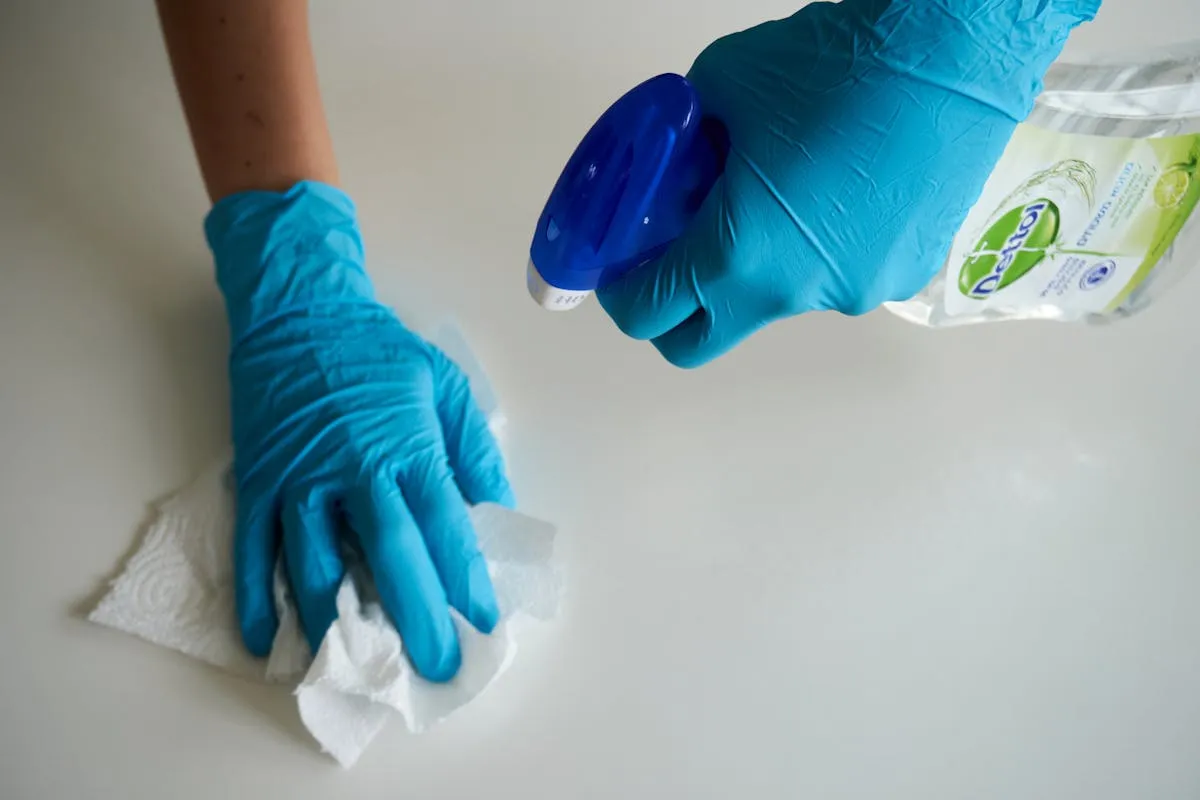
Surfactants Guide: Understanding Cleaning Boosters for Pressure Washing
Complete guide to pressure washing surfactants: types, selection, mixing ratios, and how surfactants improve cleaning results for house washing and flatwork.
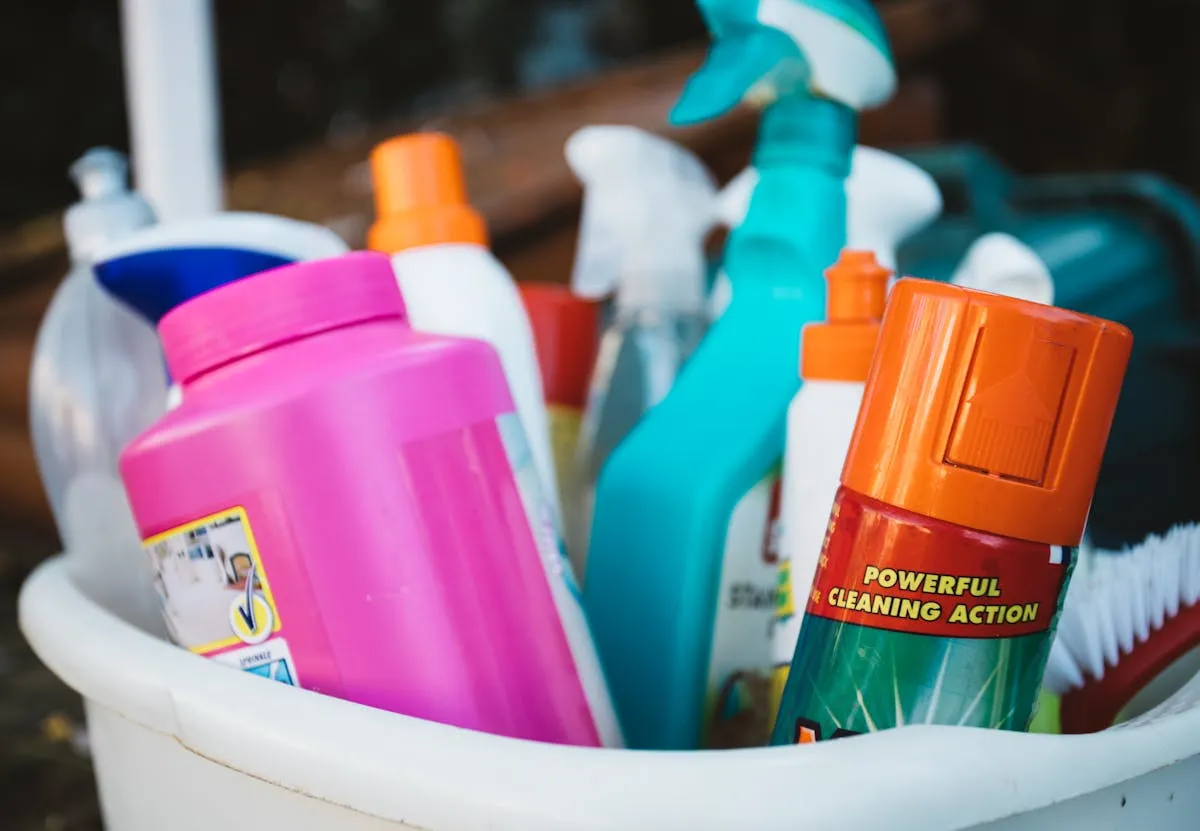
Sodium Hypochlorite (SH) Guide: Pressure Washing's Primary Chemical
Sodium hypochlorite (SH) for pressure washing: mixing, application, safety, and effectiveness. The foundation of professional exterior cleaning.
Degreasers for Pressure Washing: Choosing and Using the Right Type
Degreasers for pressure washing: sodium hydroxide-based, solvent-based, and citrus-based options. When to use hot water, dwell times, and applications from dumpster pads to kitchen exhaust.