
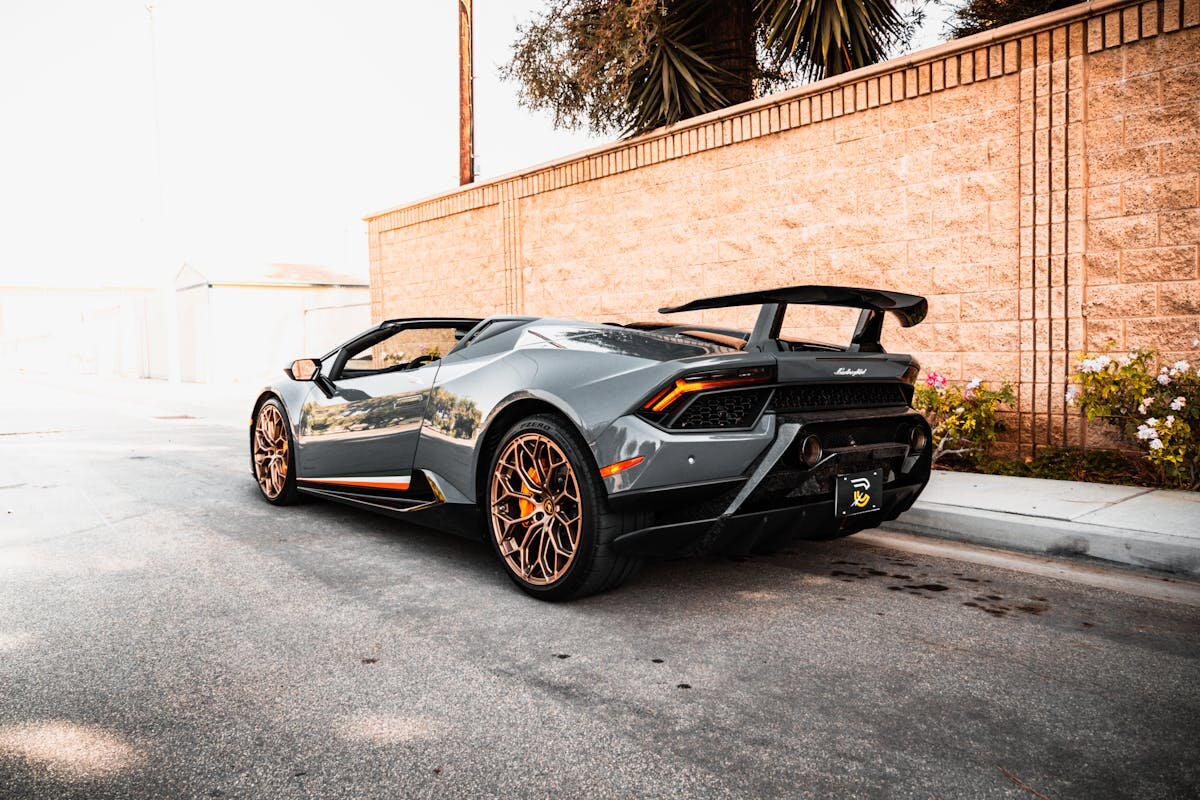
How to Pressure Wash a Car Safely: PSI, Technique, and Paint Protection
Learn the safe way to pressure wash vehicles. Discover proper PSI ranges (1200-1900), nozzle selection, distance techniques, foam cannon methods, and how to avoid paint damage during washing.
Why PSI Matters for Vehicle Washing
Your pressure washer doesn’t know the difference between asphalt and automotive paint—it applies force without discrimination. Car paint is far more delicate than concrete or siding. The clear coat protecting your vehicle is typically only 2-3 mils thick (about the thickness of a human hair), making it vulnerable to the force of high-pressure water.
Using excessive pressure removes protective coatings, creates swirl marks, and can lead to oxidation and rust. Conversely, adequate pressure is necessary to rinse away dirt and contamination without hand-rubbing, which causes scratching.
The sweet spot for car washing is 1200–1900 PSI. This pressure range provides sufficient force to remove dirt without damaging paint or clear coat.
1200–1900 PSI is the safe operating range for pressure washing most vehicles. This pressure is sufficient to rinse away dirt, road salt, and contaminants while protecting clear coat and paint. Never exceed 2000 PSI on car exterior surfaces.
Nozzle Selection: The Critical Factor
Nozzle choice determines spray pattern and pressure distribution. You have two safe options for vehicles; everything else risks damage.
25-Degree Nozzle (Recommended for Most Work)
The 25-degree fan spreads pressure across a wider area, significantly reducing PSI per square inch at the point of contact. This nozzle is ideal for:
- General body panel washing
- Door and window frames
- Wheels and tires
- Removing moderate dirt buildup
When held at proper distance (24-36 inches), a 25-degree nozzle at 1500 PSI delivers safe, effective cleaning.
40-Degree Nozzle (For Delicate Areas)
The 40-degree fan is even wider and distributes pressure further. Use this nozzle for:
- Freshly waxed surfaces
- Clear coat that shows signs of damage or swirling
- Side mirrors and trim
- Areas with aged or thin paint
Never use:
- Zero-degree jet nozzle — Concentrates all pressure into a narrow stream. Causes paint stripping and etching in seconds.
- 15-degree nozzle — Too narrow even for sturdy surfaces. Risks paint damage and finish marks.
- Soap nozzle (wide but low pressure) — Appropriate for application only, never for rinsing vehicle paint.
Distance: The Second Critical Factor
Distance from the nozzle to the paint surface dramatically affects pressure delivery. A 25-degree nozzle at 1500 PSI feels entirely different 12 inches away versus 36 inches away.
Recommended Distances
- 24–36 inches: Standard distance for 25-degree nozzle on body panels
- 36–48 inches: Use this distance for aged paint, clear coat concerns, or wheels
- Never closer than 18 inches: Even with 40-degree nozzles, closer distance risks paint damage
Your arm position should feel comfortable without strain. If you’re reaching awkwardly or bracing yourself to control the wand, you’re too close.
Before washing the entire vehicle, test your setup on a small, inconspicuous area. Spray at your intended distance and angle. If the water spray leaves visible streaking, damage, or residue, increase distance or reduce PSI before proceeding.
Spray Angle: Always at Shallow Angles
Never spray perpendicular (straight on) to the vehicle surface. Always maintain a shallow angle—approximately 30–45 degrees from the surface.
Why: Shallow angle spray redirects water away from the vehicle rather than driving it against paint and trim. Perpendicular spraying forces water harder into crevices and against surfaces, increasing damage risk.
Think of shaving rather than stabbing. The angle of approach matters as much as the pressure itself.
Foam Cannon Washing Method
The two-bucket method with foam cannon is superior to pressure-only washing. Foam pretreatment dissolves and loosens dirt, allowing you to rinse with lower pressure and less risk of scratching.
What You Need
- Foam cannon (compatible with your pressure washer)
- Two 5-gallon buckets
- Car wash soap (pH-neutral, specifically for vehicles)
- Wash mitt (microfiber)
- Rinse water supply (hose connection to your washer)
The Proper Process
Step 1: Pre-Rinse Use low pressure (under 1200 PSI) to rinse loose dirt and debris. This prevents loose particles from scratching paint when you apply foam.
Step 2: Foam Application Mix car wash soap in your foam cannon according to product instructions (typically 1 part soap to 6-10 parts water). Spray foam over the entire vehicle in overlapping passes, working top to bottom. Allow the foam to dwell for 5-10 minutes.
Step 3: Pressure Rinse (Optional) If dirt is adequately loosened by foam, you can rinse with low-pressure water. Start at the top and work downward, using 25–40 degree nozzles at 1200–1400 PSI.
Step 4: Hand Wash Dip your wash mitt in the first bucket (soap solution), agitate the surface gently to remove remaining dirt. Rinse the mitt in the second bucket (rinse water only) after every 2-3 panels. This two-bucket method removes dirt from your mitt before reloading with soap, preventing scratched particles from returning to the paint.
Step 5: Final Rinse Use the pressure washer for final rinse at low pressure (1200–1400 PSI), again working top to bottom. Water should run clear with no soap residue.
Wheels and Tires
Wheels can handle higher pressure than paint. You can safely use 1800–2000 PSI on steel or alloy wheels with 25-degree nozzles at 24-inch distance. The tire rubber is tough and won’t be damaged by this pressure.
For heavily soiled wheels:
- Apply heavy-duty wheel cleaner or degreaser and allow 5-10 minute dwell time
- Use a plastic wheel brush for ground-in brake dust (never wire brushes)
- Rinse thoroughly to remove all chemical residue
- For brake calipers visible through wheel designs, use lower pressure (1500 PSI) to avoid forcing water into brake systems
Drying to Prevent Water Spots
After pressure washing, hard water minerals can deposit on the painted surface, creating spots. Prevent this by:
- Drying immediately with microfiber towels or a leaf blower
- Using distilled water for final rinse if your water is highly mineralized
- Applying spray sealant to recently washed vehicles (creates hydrophobic surface that sheds water)
Avoiding Paint Damage: Common Mistakes
Washing in Direct Sunlight
Pressure washing in hot sun causes water to evaporate immediately, leaving mineral deposits and potentially damaging clear coat. Wash in shade or early morning/evening when temperatures are moderate.
Using Dish Soap or Detergent
Never use dish soap or household detergent on vehicles. These strip protective wax and can damage clear coat. Always use pH-neutral car wash soap specifically formulated for automotive paint.
Holding the Nozzle Too Long in One Spot
Staying in one area too long concentrates pressure. Keep the nozzle moving in smooth, overlapping passes. Stationary spray causes visible damage and finish marks.
Spraying Engine Compartments
Pressure washing engine bays can force water into electrical connectors and sensitive components. Clean engines gently with foam application and hand washing, using minimal pressure rinse only where absolutely necessary.
Before starting:
- Check PSI setting (1200–1900 range)
- Verify nozzle is 25–40 degree only
- Test on inconspicuous area first
- Ensure vehicle is in shade if possible
- Have microfiber towels ready for drying
During washing:
- Maintain 24–36 inch distance from paint
- Use shallow angle spray (30–45 degrees)
- Keep nozzle moving in smooth passes
- Work top to bottom
- Never exceed recommended PSI
Commercial Vehicle Washing Services
If you’re offering pressure washing services to customers, vehicle washing is an excellent add-on. Most customers appreciate a clean car after driveway and garage cleaning.
Typical pricing:
- Standard sedan/hatchback: $15–$30
- SUV or truck: $25–$45
- Detailed foam wash with hand dry: $40–$75
Emphasize that you use pressure washing safely—many vehicle owners worry about paint damage. Your knowledge and caution build confidence.
When to Refer to Professionals
Some situations warrant professional auto detailing instead of pressure washing:
- Vehicles with pre-existing paint damage, cracks, or exposed primer
- Cars with newer, thin clear coats (some luxury vehicles)
- Heavily oxidized paint that looks dull and chalky
- Paint with visible swirl marks from previous improper washing
Professional detailers have specialized equipment and compounds that go beyond what pressure washing provides. Know your limits and refer appropriately.
Pressure washing cars is straightforward when you respect PSI ranges, use proper nozzles, maintain distance, and employ technique-first approaches. Your caution protects customers’ investments and builds a reputation for professionalism.
Was this article helpful?
Your feedback helps us improve our content.
Related Articles

Roof Cleaning 101: ARMA Guidelines and Best Practices
Master the fundamentals of safe roof cleaning. Learn ARMA guidelines, types of roof contamination, chemical selection by material, safety protocols, and pricing strategies for professional contractors.
How to Pressure Wash a Wood Deck: PSI, Technique, and Surface Protection
Learn the correct way to pressure wash wood decks. Master PSI settings by wood type, fan tip technique, maintaining consistent distance, avoiding lap marks, and the strip-clean-brighten process.