

Heat Exhaustion and Sun Safety for Pressure Washing: Outdoor Work in High Temperatures
Complete guide to preventing heat illness and sun exposure for pressure washing operators. Recognizing heat exhaustion, heat stroke prevention, hydration, and sun protection for outdoor work.
Key takeaways
- Heat stroke can kill in hours — Core body temperature over 104°F causes organ failure
- You lose 1-2 liters of water per hour in hot conditions — Must replace fluids and electrolytes
- Sun exposure increases skin cancer risk — Outdoor workers have much higher melanoma rates
- Heat illness progresses rapidly — Recognize early symptoms and act immediately
- Prevention is simple and effective — Hydration, breaks, shade, and sun protection save lives
The deadly reality
Heat-related illness is unpredictable and fast-moving. What starts as feeling tired can escalate to confusion, loss of consciousness, and death within hours. Heat stroke kills experienced operators and newcomers alike. It doesn’t care how tough you are or how important the deadline is.
Heat illness is almost entirely preventable through proper hydration, rest breaks, and awareness, which makes every death from it unnecessary.
Understanding heat illness
How your body cools itself
Normal cooling process:
- Blood carries heat from your core to your skin
- You sweat, and evaporation cools your skin
- Your heart pumps harder to circulate blood
- You breathe faster to release heat through breathing
This system has limits:
- Hot, humid conditions prevent sweat evaporation
- Physical exertion generates more internal heat
- Direct sun adds external heat
- Heavy clothing or PPE traps heat
When cooling fails: Body temperature rises uncontrollably. Proteins in your cells start to denature (similar to cooking an egg). Organs malfunction. Brain swells. Without rapid cooling, death follows.
Types of heat illness
Heat Rash (Miliaria):
- Least severe but warning sign
- Red clusters of small blisters
- Usually on neck, upper chest, groin, under breasts
- Caused by sweat trapped in pores
- Treatment: Move to cooler area, keep skin dry, powder to reduce friction
Heat Cramps:
- Muscle spasms during or after work
- Usually legs, arms, abdomen
- Caused by electrolyte imbalance from sweating
- Treatment: Rest in cool place, drink electrolyte solution, gentle stretching
- Warning: Can progress to more severe heat illness
Heat Syncope (Fainting):
- Sudden dizziness or fainting
- Usually after standing for long time in heat
- Caused by blood pooling in legs, reduced blood to brain
- Treatment: Sit or lie down in cool place, elevate legs, drink water
- Warning: Can lead to injury if you fall
Heat Exhaustion:
- SERIOUS—requires immediate attention
- Body's warning that it's overwhelmed
- Heavy sweating, weakness, dizziness, headache, nausea
- Core temperature 100-104°F (normal is ~98.6°F)
- Can progress to heat stroke if untreated
- Treatment: Move to cool place, drink fluids, cool body with water, seek medical attention
Heat Stroke:
- MEDICAL EMERGENCY—can kill in hours
- Body temperature 104°F or higher
- HOT, DRY skin (sweating has stopped—critical sign)
- Confusion, slurred speech, loss of consciousness, seizures
- Call 911 immediately—every minute counts
- Treatment: Rapid cooling, emergency medical care
Risk factors
Personal factors that increase risk:
- Age: Over 65, under 12 at higher risk
- Fitness level: Poor conditioning increases risk
- Weight: Obesity makes heat dissipation harder
- Medications: Some affect heat regulation
- Alcohol: Increases dehydration, affects judgment
- Previous heat illness: Higher risk of recurrence
- Acclimatization: Not used to working in heat
Environmental factors:
- Temperature: Over 85°F significantly increases risk
- Humidity: Over 60% prevents sweat evaporation
- Sun exposure: Direct sun adds heat load
- No shade: No way to escape heat
- Poor air quality: Makes breathing harder
Work factors:
- Duration: Longer work = higher risk
- Intensity: Heavy exertion generates more heat
- Clothing/PPE: Heavy or non-breathable clothing traps heat
- Inadequate breaks: No recovery time
- Inadequate hydration: Can't replace fluid loss
OSHA heat illness prevention guidelines
OSHA’s National Emphasis Program (NEP) on Heat Illness:
- OSHA inspecting workplaces with heat hazards
- Issuing citations under General Duty Clause
- Fines up to $15,000 per violation
- Focus on outdoor workers (including pressure washing)
Heat Index guidelines (OSHA recommended):
Below 91°F: Normal operations, provide water
91-103°F: Provide water, rest, shade; monitor workers; train on symptoms
103-115°F: Additional precautions: 15-minute rest breaks hourly; observe workers; communicate regularly; buddy system
Above 115°F: Essential work only; frequent breaks; monitor closely; consider suspending non-essential work
Prevention strategies
Hydration
How much you need:
- Normal conditions: 1 cup (8 oz) every 15-20 minutes
- Hot conditions: 1-2 liters per hour during heavy work
- Pre-work: Drink 1-2 cups before starting
- After work: Continue drinking to replace deficit
What to drink:
- Water: Best for most situations
- Electrolyte drinks: For work over 1 hour, heavy sweating, or heat cramps
- Avoid: Pure water only during extended heavy sweating (leads to electrolyte imbalance)
- Avoid: Caffeine (diuretic, increases fluid loss)
- Avoid: Alcohol (increases dehydration, impairs judgment)
Electrolyte replacement:
- Commercial sports drinks (Gatorade, Powerade): Effective but high sugar
- Electrolyte tablets (Nuun, Salt Stick): Convenient, low sugar
- DIY: 1/2 teaspoon salt + 6 teaspoons sugar + 1 liter water (cheap but effective)
- Banana + water: Natural potassium source
Don’t rely on thirst:
- Thirst is poor indicator of hydration status
- You're already dehydrated when you feel thirsty
- Drink on schedule, not just when thirsty
- Monitor urine color: Pale yellow = good, dark yellow = dehydrated
Work-rest cycles
Recommended schedule based on conditions:
Moderate conditions (85-90°F, 50% humidity):
- Work: 50 minutes
- Rest: 10 minutes in shade
- Repeat throughout day
Hot conditions (90-100°F, 60-80% humidity):
- Work: 30-40 minutes
- Rest: 20 minutes in shade
- Extend rest as day progresses
Extreme conditions (100°F+, 80%+ humidity):
- Work: 20-30 minutes
- Rest: 30 minutes in shade
- Consider delaying work until cooler time
Signs you need more frequent breaks:
- You feel weak, dizzy, or unusually tired
- You stop sweating
- You feel confused or disoriented
- You have headache or nausea
- Your urine is dark yellow
Shade and cool areas
Create shade if none exists:
- Pop-up canopy or tent ($100-300)
- Umbrella or sunshade ($30-100)
- Vehicle provides temporary shade
- Natural shade: Trees, buildings
Benefits:
- Reduces heat load dramatically
- Lowers core temperature
- Provides recovery from sun exposure
- Improves mental alertness
Clothing and sun protection
Clothing:
- Light-colored, lightweight, loose-fitting
- Moisture-wicking fabrics (not cotton)
- Long sleeves and long pants protect from sun
- Wide-brimmed hat shades face, neck, ears
- Cooling vests help ($50-150) but add weight
Sunscreen:
- SPF 30+ minimum, reapplied every 2 hours
- Broad-spectrum (UVA and UVB protection)
- Water-resistant (you'll be sweating)
- Apply 15-30 minutes before sun exposure
- Use enough: 1 ounce (shot glass full) for full body
Eye protection:
- Sunglasses with UV protection
- Wraparound styles best
- Polarized reduces glare
- ANSI Z87.1 rated if impact hazard
Scheduling
Work during cooler times:
- Early morning: 6-10 AM (coolest, least UV)
- Late afternoon: 4-7 PM (cooler but watch UV)
- Avoid: 10 AM - 4 PM (hottest, highest UV)
Acclimatization:
- First hot days: Limit exposure, take more breaks
- Gradually increase over 7-14 days
- New workers: Start with 20% of normal workload, increase 20% per day
- Returning from time off: Reduce initial workload
Recognizing symptoms
Heat exhaustion
Symptoms:
- Heavy sweating
- Weakness or fatigue
- Dizziness or lightheadedness
- Headache
- Nausea or vomiting
- Muscle cramps
- Pale, flushed, or red skin
- Fast, weak pulse
- Rapid, shallow breathing
- Irritability or confusion
What to do:
- STOP work immediately
- Move to cool, shaded area
- Loosen or remove heavy clothing
- Drink cool water or electrolyte beverage
- Cool body with water, fanning
- Lie down with legs elevated
- Do not return to work that day
- If symptoms don't improve in 60 minutes: Seek medical attention
- If confusion or vomiting develops: Call 911 (may be progressing to heat stroke)
Heat stroke
Symptoms:
- Core body temperature 104°F or higher
- Hot, DRY skin (sweating has stopped—critical sign)
- Confusion, disorientation, slurred speech
- Loss of consciousness or seizures
- Rapid, strong pulse
- Rapid breathing
- Flushed, red skin
- Throbbing headache
What to do:
- CALL 911 IMMEDIATELY—every minute matters
- Move to cool area (shade, air conditioning)
- Remove excess clothing
- Cool rapidly:
- Spray with cool water
- Fan vigorously
- Apply ice packs to neck, armpits, groin
- Immerse in cool water if possible
- Monitor breathing and pulse—start CPR if needed and you're trained
- Do not give fluids (person may not be able to swallow safely)
- Stay with person until help arrives
Monitoring yourself and others
Self-monitoring
Check yourself regularly:
- Am I sweating? (No sweat = danger)
- How do I feel? (Weak, dizzy, headache = warning)
- What's my urine color? (Dark = dehydrated)
- How's my energy level? (Unusual fatigue = warning)
Monitoring others
What to watch for:
- Changes in behavior (confusion, irritability)
- Physical symptoms (stumbling, weakness)
- Appearance (flushed, pale, sweating heavily or not at all)
- Complaints (headache, dizziness, nausea)
If you see warning signs:
- Intervene immediately
- Don't let them "tough it out"
- Insist on break
- Call for help if symptoms severe
- Better to overreact than underreact
Special considerations
New workers
Much higher risk:
- Not acclimated to heat
- Don't know their limits
- May not want to complain (fear of looking weak)
- May push too hard to prove themselves
What to do:
- Extra supervision and monitoring
- More frequent breaks
- Shorter initial work periods
- Training on heat illness recognition
- Encourage reporting symptoms
Older workers
Increased risk:
- Reduced ability to regulate body temperature
- More likely to take medications affecting heat response
- May have underlying health conditions
- May not feel thirsty even when dehydrated
Emergency action plan
Before the season starts:
- Develop written heat illness prevention plan
- Train all workers on recognition and response
- Identify nearby medical facilities
- Post emergency numbers
- Stock emergency supplies (water, ice, electrolyte drinks, thermometer)
When heat illness occurs:
- Recognize symptoms early
- Act immediately (don't wait)
- Move to cool area
- Cool person rapidly
- Call 911 if severe (heat stroke)
- Stay with person until help arrives
- Document incident (workers' comp, OSHA log)
Bottom line
Heat illness is preventable. Heat stroke kills, but it does not have to.
Hydrate before you’re thirsty. Drink 1-2 cups before starting, 1 cup every 15-20 minutes during work, and drink electrolyte drinks for extended or heavy work.
Take breaks in shade. Every 30-60 minutes minimum, more often in extreme heat. Use breaks to cool down and hydrate.
Wear sun protection. Sunscreen SPF 30+ reapplied every 2 hours, light loose clothing, hat with wide brim, UV-rated sunglasses.
Watch for symptoms. In yourself and your coworkers. Act immediately if you see warning signs. Call 911 for severe symptoms (confusion, loss of consciousness, hot/dry skin).
Schedule wisely. Work during cooler times. Take it easy during heat waves.
Don’t let a deadline, ego, or “toughing it out” kill you. Heat stroke doesn’t care. Take precautions seriously, every hot day, every job.
Was this article helpful?
Your feedback helps us improve our content.
Related Articles

Pressure Washing Safety: Essential Rules Every Operator Must Follow
Critical pressure washing safety rules: PPE, electrical hazards, ladder safety, and chemical handling. Prevent injuries and protect property.
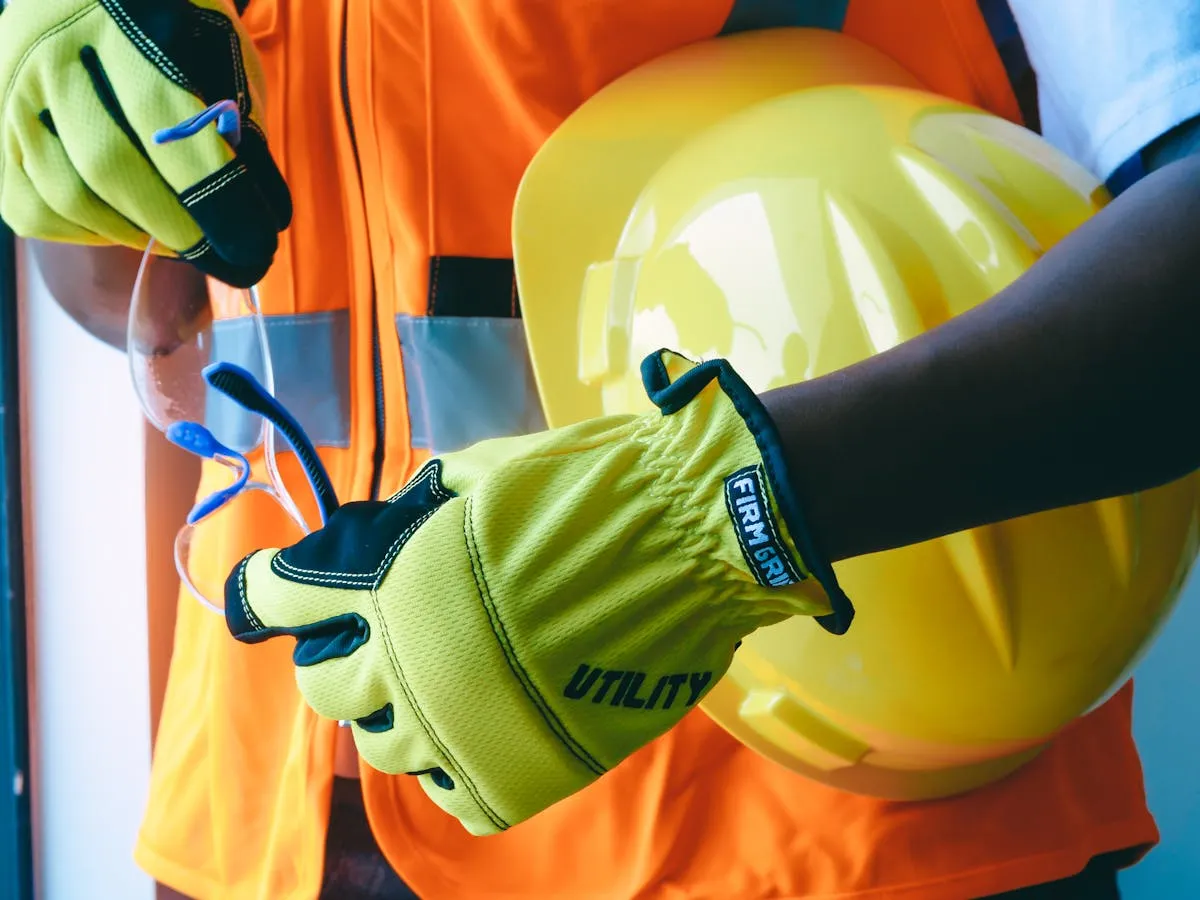
Pressure Washing PPE Guide: Essential Protection for Every Job
Complete guide to pressure washing personal protective equipment (PPE). Required gear, chemical protection, and safety standards.
Pressure Washing PPE Guide: Essential Protection for Every Job
Complete guide to pressure washing personal protective equipment (PPE). Required gear, chemical protection, and safety standards.