

Turbo Nozzles: When and How to Use Rotary Surface Cleaner Nozzles
Complete guide to pressure washer turbo nozzles (rotary nozzles): how they work, when to use them, safety precautions, and proper technique for tough stains on concrete.
Key takeaways
- Turbo nozzles combine red nozzle power with coverage - Spinning 0° tip creates cone pattern
- EXTREMELY aggressive - Can damage surfaces instantly if misused
- Best for stubborn stains on concrete - Gum, tar, rust, paint
- Never use on wood, vinyl, or vehicles - Damage is guaranteed
- 18+ inches minimum distance - Start farther, move closer gradually
What is a turbo nozzle?
How it works
A turbo nozzle uses water pressure to spin a 0° ceramic tip at high speed (2,000-5,000+ RPM). This spinning creates a cone-shaped spray pattern that combines:
- Impact of 0° nozzle - Concentrated cleaning power
- Coverage of larger nozzle - 15-25° effective coverage
- Rotating action - Constant movement prevents striping
You get the aggressive cleaning of a red nozzle with the coverage pattern of a green or yellow nozzle. It’s like having a pressure washer that’s moving constantly for you.
Why “Turbo”:
The spinning tip creates a vortex effect. Water spirals outward, increasing agitation and cleaning effectiveness. The rotation speed depends on your pressure and flow.
When to use turbo nozzles
Ideal applications
Stubborn Stains on Concrete:
- Chewing gum - Melts and removes gum
- Tar splatters - Breaks down tar deposits
- Paint overspray - Strips loose paint
- Rust stains - Removes surface rust
- Oil stains - After degreaser application
- Algae and mildew - On concrete only
- Efflorescence - On masonry surfaces
Pre-Treatment Preparation:
- Striping surfaces - Before sealing
- Paint prep - Remove loose paint
- Heavy cleaning - Stubborn deposits only
When NOT to use
Never Use On:
- Wood surfaces - Will fuzz and destroy wood fibers
- Vinyl siding - Will crack and break siding
- Painted surfaces - Unless intentionally stripping paint
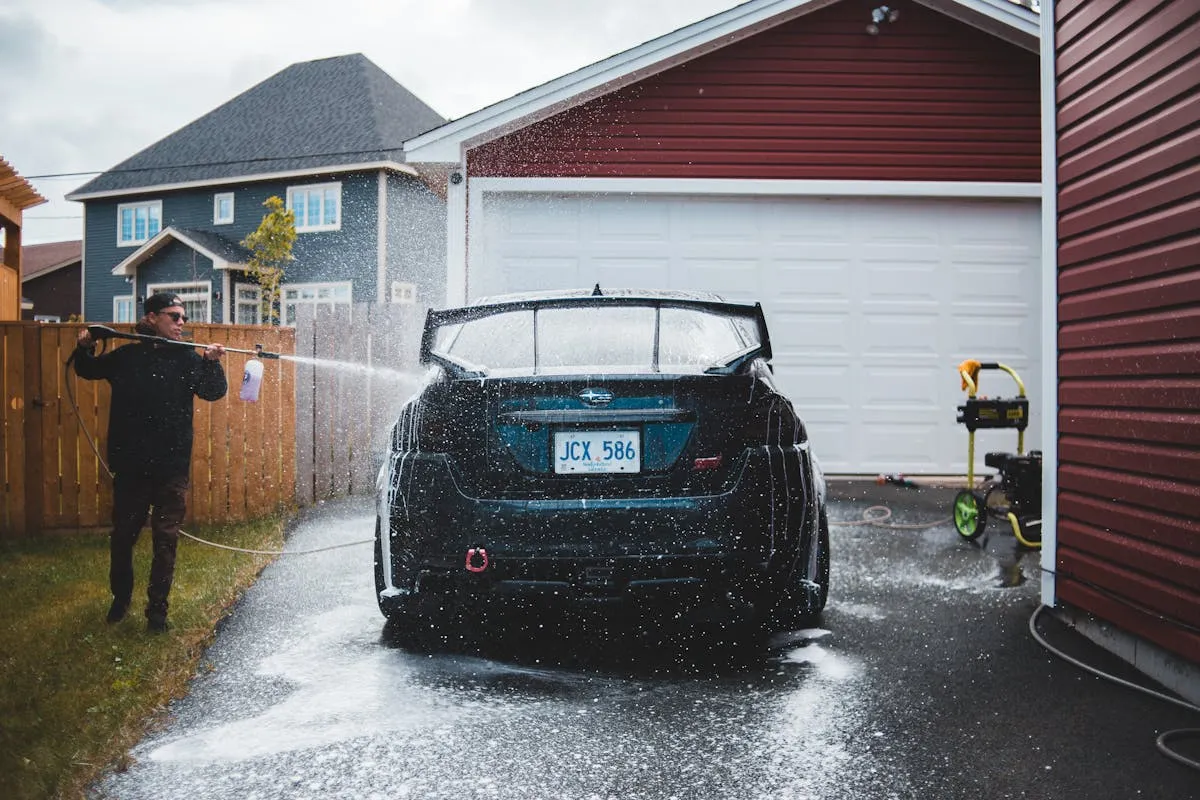
- Vehicles - Will strip paint and damage
- Windows - Will break glass instantly
- Stucco or EIFS - Will damage surface
- Asphalt shingles - Never pressure wash roofs anyway
- Any soft surface - Damage is instant and permanent
Better Alternatives:
- Standard cleaning - Use white or green nozzle
- Delicate surfaces - White nozzle with proper distance
- Large flatwork - Surface cleaner instead
Turbo nozzles should only be used on hard, durable surfaces like concrete and masonry. Never experiment on other surfaces. Damage happens in less than one second and is often irreversible.
Safety critical information
Why they’re dangerous
Extreme Aggressiveness:
- Combines 0° nozzle impact with rotation
- Can etch concrete permanently
- Destroys soft materials instantly
- Damage happens in less than 1 second
Physical Risks:
- Kickback - More than standard nozzles
- Fatigue - Constant vibration tires arms
- Loss of control - Easy to damage surface
- Injury risk - Can inject water into skin
Essential safety rules
ALWAYS:
- Start 24+ inches away - Move closer gradually while testing
- Test inconspicuous area first - Verify surface can handle it
- Wear full PPE - Safety glasses, gloves, hearing protection
- Maintain firm grip - Two hands recommended
- Release trigger to move - Never drag across surface
- Work in small sections - Control is easier
- Stay alert - Never daydream or get distracted
NEVER:
- Use on anything but concrete/masonry - Seriously, don’t
- Get closer than 12 inches - Unless experienced and certain
- Use on worn or damaged surfaces - Will expose weaknesses
- Point at anyone - Ever. No exceptions.
- Use with damaged wand - Can fail under pressure
- Work on ladders - Kickback is dangerous
- Use if inexperienced - Learn with standard nozzles first
Proper technique
Starting distance and approach
The “Start Far” Rule:
Always start at least 24 inches (2 feet) from the surface. This gives you a safety buffer and lets you observe the cleaning effect before moving closer.
Progressive Approach:
- 24 inches away - Trigger briefly, observe effect
- If inadequate - Move 2 inches closer
- Test again - Brief trigger pull
- Continue - Until cleaning effect is adequate
- Stop - When you find effective distance
What You’re Looking For:
- Stain removal - Desired effect
- Surface etching - Too close, back off
- No effect - Too far, move closer
- Chatter or skipping - Nozzle issue or too close
Spraying technique
Working Method:
- Extend arm fully - Maintains distance
- Trigger briefly - 1-2 second bursts
- Release trigger - Before moving to next spot
- Overlap passes - By 50% for even cleaning
- Work systematically - Don't jump around
Don’t:
- Hold in one spot - Creates circles/holes
- Move too fast - Ineffective cleaning
- Drag across surface - Maintains contact (bad)
- Swing wildly - Lose control, miss spots
Turbo nozzle selection
Sizes and types
By Orifice Size:
- #2.0 - For 2.0 GPM machines
- #2.5 - For 2.5 GPM machines
- #3.0 - For 3.0 GPM machines
- #4.0 - For 4.0+ GPM machines
By Rotating Mechanism:
- Bearing-style - Ball bearings, smoother, longer lasting
- Water-powered - Water spins the tip, simpler, less durable
By Quality Level:
Budget ($30-60): - Basic construction - Water-powered rotation - 6-12 month lifespan - Fine for occasional homeowner use Mid-Range ($60-100): - Better materials - Bearing-style rotation - 1-2 year lifespan - Good for part-time professionals Professional ($100-150): - High-quality materials - Sealed bearings - 2-3 year lifespan - Replaceable wear parts - Professional daily usePopular brands
MTM Hydro:
- Industry standard
- Excellent quality
- $60-120 depending on model
- Professional choice
Mosmatic:
- Swiss quality
- Very durable
- $80-150
- Premium option
Simpson:
- Good quality
- Mid-range pricing
- $50-90
- Reliable choice
Maintenance and care
Daily use
Before Use:
- Inspect for damage - Cracks, wear, loose components
- Check rotation - Should spin freely by hand
- Verify quick-connect - Should connect securely
- Test briefly - On safe surface first
After Use:
- Flush with clean water - Remove chemicals and debris
- Inspect for wear - Check O-rings and ceramic tip
- Protect from damage - Proper storage
- Allow to dry - Before long-term storage
Regular maintenance
Weekly (Frequent Use):
- Deep clean - Remove all debris
- Check rotation - Should spin freely
- Inspect O-rings - Replace if damaged
- Look for wear - Ceramic tip and housing
Monthly:
- Clean internal mechanism - Flush with cleaner
- Lubricate if required - Some models need grease
- Test under pressure - Verify performance
- Check for vibration - Should run smooth
Annually:
- Replace O-rings - Prevent leaks
- Inspect bearings - If accessible
- Test rotation speed - Should be consistent
- Replace if worn - Don’t wait for failure
Common problems
Problem: Nozzle not spinning
Diagnosis:
- Debris in mechanism - Most common
- Worn bearings - Age and use
- Damaged ceramic tip - Impact or wear
- Insufficient pressure - Check machine output
Solution:
- Clean thoroughly - Flush with clean water
- Remove debris - Use nozzle cleaning tool
- Inspect internals - If accessible
- Replace if damaged - Often more cost-effective than repair
Cost vs value analysis
Purchase Price:
- Budget: $30-60
- Mid-range: $60-100
- Professional: $100-150
Lifespan:
- Budget: 6-12 months with regular use
- Mid-range: 1-2 years with proper care
- Professional: 2-3 years with maintenance
Value Proposition:
When It Pays:
- Professional use (daily stubborn stains)
- Large stained areas (driveways, patios)
- Pre-paint surface prep
- Gum and tar removal
When It Doesn’t:
- Light cleaning (standard nozzle fine)
- Delicate surfaces (can’t use turbo anyway)
- Occasional homeowner use (probably not worth cost)
Bottom line
Turbo nozzles are powerful tools for specific applications. They’re not general-purpose nozzles—they’re specialty tools for tough stains on hard surfaces only.
For homeowners: Probably not worth the investment unless you have regular stubborn stain problems. Standard nozzles handle most residential cleaning.
For professionals: Absolutely worth having. Time savings on stubborn stains pays for the nozzle quickly. But use it judiciously—it’s not your everyday nozzle.
Safety reminder: Treat turbo nozzles with the same caution as red nozzles. They can damage surfaces just as fast if misused. Start far, test first, and never use on anything but concrete and masonry.
Never start closer than 18 inches. Better to waste a few seconds testing from too far away than to etch concrete permanently. You can always move closer once you confirm the surface can handle it.
Next steps
Was this article helpful?
Your feedback helps us improve our content.
Related Articles

Concrete Driveway Cleaning Guide: Remove Oil Stains, Tire Marks, and Algae
Professional concrete driveway cleaning techniques. Remove oil stains, tire marks, algae, and grime. Surface sealing, restoration, and long-term protection strategies.
Pressure Washer Surface Cleaners: Buying Guide and Reviews
Complete guide to pressure washer surface cleaners: sizes, features, compatibility, and how to choose the right surface cleaner for your needs.

Rust Removal from Concrete: Methods and Products
Remove rust stains from concrete driveways, sidewalks, and patios. Compare oxalic acid, commercial rust removers, and mechanical methods with step-by-step instructions.