

House Wash Recipes: Quick-Reference Mix Ratios for Common Scenarios
Field reference guide with practical house wash recipes. Standard vinyl siding mix, heavy mold treatment, stucco-safe formula, brick-safe recipe, and rinse-only situations. Copy to your phone.
Why recipes matter
Consistency beats guessing. These recipes are tested and proven. Use them every time for predictable results.
Always test your mix on a hidden area first. All surfaces are different — brick, stucco, vinyl weather and age differently. Test is 60 seconds and saves you from mistakes.
Recipe #1: Standard vinyl siding (most common)
Best for: Clean vinyl, light mold, general dirt
Mixing ratio:
- 1 part SH (12.5% sodium hypochlorite)
- 2 parts water
- Add 1-2 oz surfactant per 5 gallons
Concentrate in tank:
- 5 gallons: 1.7 gallons SH + 3.3 gallons water + 1-2 oz surfactant
- 10 gallons: 3.3 gallons SH + 6.7 gallons water + 2-3 oz surfactant
- Total delivered: ~2-3% SH at nozzle (perfect for vinyl)
Application:
- Spray entire surface evenly
- Dwell time: 10-15 minutes (let it work)
- Rinse thoroughly with low pressure (40 degree nozzle)
- Work on cloudy days if possible (heat speeds evaporation)
Expected results:
- Dirt and light algae gone
- Finish looks new
- No damage to paint or caulk
Recipe #2: Heavy mold/algae (green, black, or heavy growth)
Best for: Dark staining, heavy algae, mold-prone areas
Mixing ratio:
- 1 part SH (12.5%)
- 1 part water
- Add 1.5-2 oz surfactant per 5 gallons
Concentrate in tank:
- 5 gallons: 2.5 gallons SH + 2.5 gallons water + 1.5-2 oz surfactant
- 10 gallons: 5 gallons SH + 5 gallons water + 3-4 oz surfactant
- Total delivered: ~4-5% SH at nozzle
Application:
- Spray entire surface
- Dwell time: 15-20 minutes (let it work, don't rush)
- You'll see mold start to visibly lighten as it dies
- Rinse thoroughly
- In humid climates, let cure 24+ hours before rinsing (better kill)
Expected results:
- Dark staining mostly gone
- May require second application for extreme cases
- Longer kill time = longer lasting prevention
Don't rinse immediately. Let the bleach work. 15-20 minutes of dwell time is the difference between good and great results.
Recipe #3: Stucco-safe (low-pressure alternative)
Best for: Stucco, ancient brick, soft masonry surfaces
Important: Stucco is porous and delicate. This recipe uses lower SH and gentler delivery.
Mixing ratio:
- 1 part SH (12.5%)
- 3 parts water
- Add 1-1.5 oz surfactant per 5 gallons
Concentrate in tank:
- 5 gallons: 1.25 gallons SH + 3.75 gallons water + 1-1.5 oz surfactant
- 10 gallons: 2.5 gallons SH + 7.5 gallons water + 2-3 oz surfactant
- Total delivered: ~1.5-2% SH at nozzle
Application:
- Use soft-wash nozzle (minimal pressure) or garden sprayer
- Spray gently — don't force the solution in
- Dwell time: 15-20 minutes
- Rinse gently with low pressure (white nozzle maximum)
- Never use red/yellow nozzles on stucco
Expected results:
- Surface cleaned without damage
- Results are slower than higher-concentration recipes (normal)
- No etching, erosion, or surface breakdown
Recipe #4: Brick-safe (historic or sealed brick)
Best for: Brick homes, historic buildings, sealed surfaces
Key principle: Brick is porous but often sealed. Too strong a mix can damage pointing or seals.
Mixing ratio:
- 1 part SH (12.5%)
- 2.5 parts water
- Add 1-1.5 oz surfactant per 5 gallons
Concentrate in tank:
- 5 gallons: 1.6 gallons SH + 3.4 gallons water + 1-1.5 oz surfactant
- 10 gallons: 3.2 gallons SH + 6.8 gallons water + 2-3 oz surfactant
- Total delivered: ~2% SH at nozzle
Application:
- Spray evenly on entire surface
- Dwell time: 15-20 minutes
- Watch for discoloration (signs it's working)
- Rinse gently — don't blast pointing or mortar
- Use 40-degree nozzle at distance (2-3 feet away)
Expected results:
- Brick looks cleaner and color restored
- No damage to mortar pointing
- No sealer damage (with proper concentration)
Brick is unpredictable — age, porosity, sealing, and mortar condition vary wildly. Always test on a small hidden area first. Wait 24 hours and check for damage before treating entire wall.
Recipe #5: Rinse-only (when not to use chemicals)
When to use this:
- Customer requests no chemicals
- Environmental restrictions
- Fragile plants nearby (customer concerned about runoff)
- Recently sealed surfaces (sealer instructions say no SH for 30 days)
- Light dust or pollen (pressure alone solves it)
Your formula:
- Water only (or water + minor surfactant for wetting)
- Higher pressure (2500-3000 PSI acceptable without chemicals)
- Lower angle (closer to surface, more aggressive)
- Multiple passes if needed
Application:
- Pre-rinse entire surface (loosen dirt)
- Spray with pressure, work methodically
- No dwell time (no chemistry working)
- Final rinse to settle dust
Expected results:
- Works for light to moderate dirt
- Heavy algae/mold won't come clean
- Honest with customer: "Pressure alone may not remove dark staining"
Price note: Rinse-only is simpler but often less impressive results. Price accordingly (lower) but be transparent about limitations.
Mixing tips and tricks
Measuring accurately
For precise ratios:
- Use measuring cups or gallon jugs
- Mark your 5-10 gallon tank with tape (measure once, mark for future)
- Never eyeball it — consistency comes from precision
Quick estimates in field:
- 5-gallon bucket fills ~20 liters or 5.3 gallons (close enough)
- Use consistent scoops for chemical additions
- If unsure, go weaker — you can strengthen next batch, can't undo too strong
Surfactant selection
Good options:
- Elemonator or similar surfactant blends ($30-50/gallon) — industry standard
- Dawn dish soap (1-2 oz per 5 gallons) — cheap, works, but less effective
- Purpose-built house wash surfactants ($40-70/gallon) — premium option
Why it matters:
- Surfactant improves wetting and penetration
- Helps chemical reach dirt faster
- Reduces dwell time needed
- Better results than straight SH
Temperature effects
Cold weather (below 50°F):
- Chemical works slower — increase dwell time 5-10 minutes
- Evaporation slower (good: more time for chemistry)
- Rinse may be needed longer to fully clear
Hot weather (above 85°F):
- Chemical evaporates faster — decrease dwell time slightly
- Work faster to avoid having to re-spray
- Early morning or late afternoon best (cooler, slower evaporation)
Humidity effects
High humidity (>75%):
- Dwell time works better (water stays on surface longer)
- You can use slightly lower concentration and get same results
- Algae kill is faster (moisture helps)
Low humidity (under 40%):
- Evaporation very fast — spray and get to work immediately
- May need to increase concentration slightly
- Night work in arid climates helps (dew slows evaporation)
Quick reference card (copy to your phone)
Vinyl/Standard: 1 SH : 2 water + surfactant → Spray, wait 15 min, rinse
Heavy Mold: 1 SH : 1 water + surfactant → Spray, wait 20 min, rinse
Stucco: 1 SH : 3 water + surfactant → Soft spray, wait 15 min, gentle rinse
Brick: 1 SH : 2.5 water + surfactant → Spray, wait 20 min, gentle rinse
Rinse Only: Water + 40° nozzle, multiple passes, no chemicals
Testing protocol
Before every job: Spray your mix on a test area (hidden spot). Wait 24 hours. Check for damage, discoloration, or unexpected results. Only then treat the full surface.
Why testing saves you:
- Catches concentration errors before they affect whole surface
- Shows you results (helps manage customer expectations)
- Protects you from liability (you were careful)
- Gives you data for future jobs on similar surfaces
Bottom line
Use these recipes. They work. Adjust only after testing. Document what works best for each surface type in your market. Over time, you’ll refine these based on your local climate, water quality, and customer expectations.
The goal: Consistent results, every time, without guessing.
Was this article helpful?
Your feedback helps us improve our content.
Related Articles
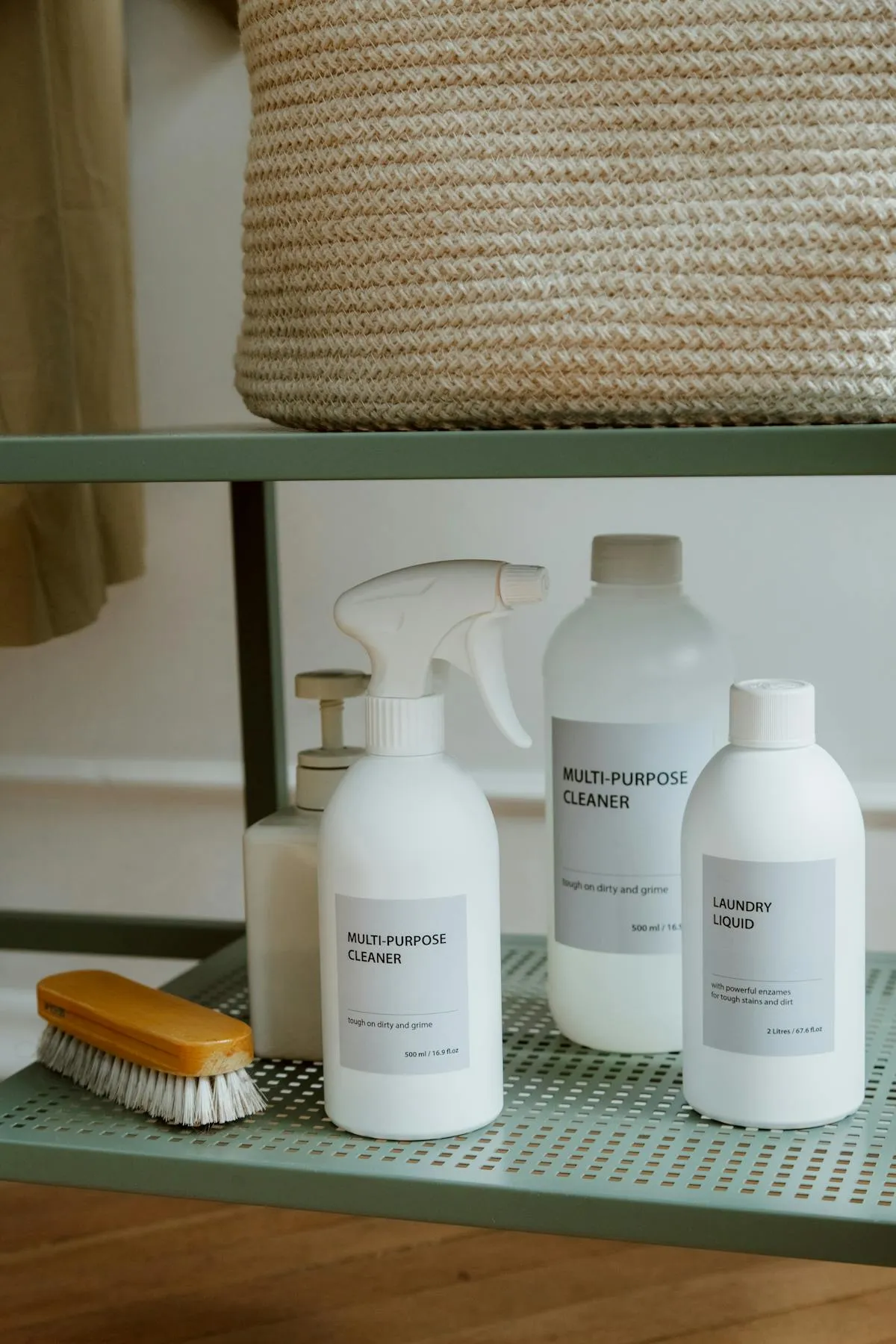
Batch Mixing for Soft Wash Systems
Batch mixing soft wash chemicals for consistent results, cost savings, and efficiency. Proper mixing order, safety protocols, and troubleshooting common mixing problems.
Understanding SH Concentrations: From Store Bleach to 12.5%
Learn the critical differences between household bleach and professional-grade sodium hypochlorite, plus how to safely dilute 12.5% SH for effective soft washing.
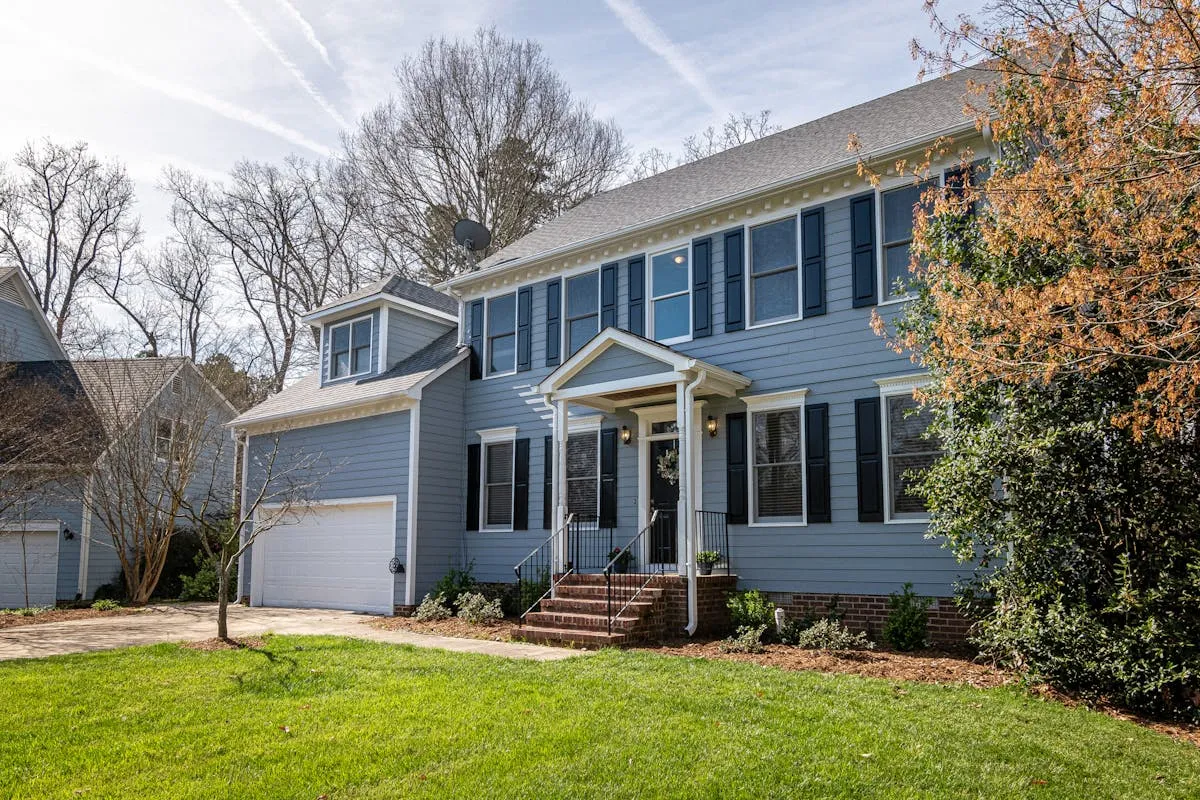
Vinyl Siding Cleaning: Complete Guide to Safe and Effective Results
Clean vinyl siding safely: proper pressure, nozzle selection, chemical application, and technique. Remove mold, algae, and oxidation without damaging siding.