
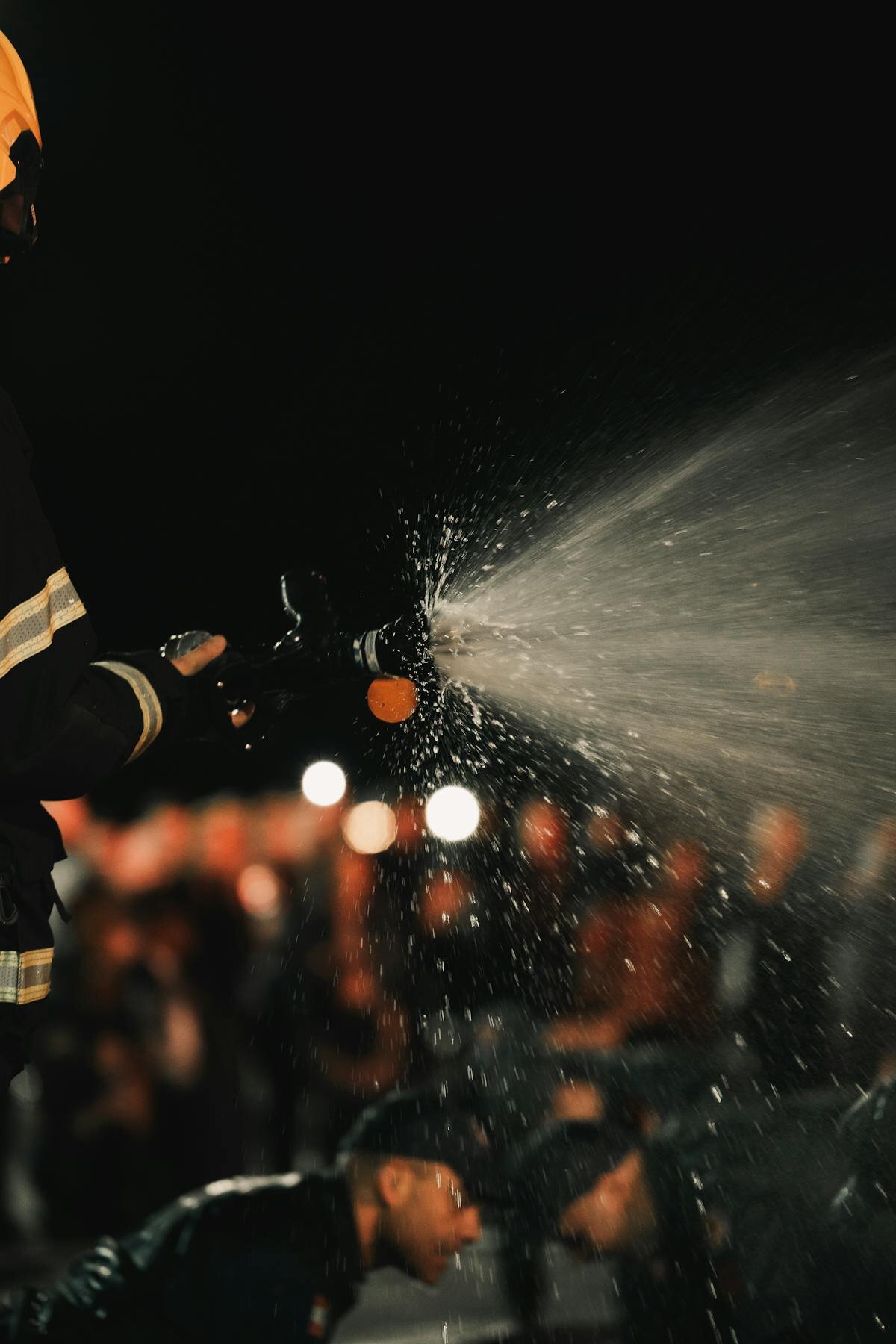
Solvent-Based Cleaners in Pressure Washing: When Water Alone Won't Work
Solvent-based cleaners for pressure washing: when to use instead of water-based cleaners, paint and adhesive removal, tar/asphalt cleanup, VOC concerns, ventilation, and PPE requirements.
Solvents are the heavy artillery of pressure washing chemicals. When water-based cleaners fail—when paint won’t lift, adhesive won’t dissolve, or tar won’t budge—solvents often work. But they come with regulatory headaches, health risks, and environmental concerns that make them tools of last resort, not first choice.
This guide covers when solvents are actually necessary, how to choose between types, and the safety and regulatory requirements that separate professionals from people creating hazards.
What Solvents Do
A solvent is a liquid that dissolves other substances. In pressure washing, solvents dissolve materials that water cannot:
- Paint, varnish, shellac (oils and resins)
- Adhesives and mastic (polyurethane, silicone, epoxy residues)
- Tar, asphalt, and bitumen
- Some cured caulks and sealants
- Grease that’s been baked on or chemically altered
- Cosmoline and other protective coatings on metal
The mechanism is simple: like dissolves like. Oil-based substances dissolve in oil-based solvents. Water won’t work because water and oil don’t mix.
Main Solvent Types Used in Pressure Washing
Mineral Spirits and Mineral Oil-Based Solvents
Mineral spirits (also called white spirit or paint thinner) is a petroleum distillate that dissolves paints, varnishes, and greases.
Best for: Paint removal, varnish stripping, degreasing old industrial equipment, adhesive removal (on some substrate types).
How strong: Moderate to strong. Effective on most common paints and oils.
VOC content: Typically 95%+ VOCs. High volatility (evaporates quickly, which means inhalation hazard).
Cost: $10–20 per gallon. Moderate cost.
Hazards: Flammable, respiratory irritant, dermatitis from prolonged skin contact.
Xylene and Aromatic Solvents
Xylene and related aromatics are stronger solvents that dissolve lacquers, epoxies, and polyurethane coatings that mineral spirits won’t touch.
Best for: Lacquer removal, epoxy coatings, polyurethane cleanup, tough industrial paint.
How strong: Very strong. Eats through many substrates faster than mineral spirits.
VOC content: 100% VOC. Extremely volatile (strong fumes).
Cost: $15–30 per gallon. More expensive.
Hazards: Highly flammable, strong respiratory irritant, potential neurological effects with prolonged exposure, requires excellent ventilation.
Aliphatic Hydrocarbons (Heptane, Hexane)
These are very refined petroleum solvents, cleaner than mineral spirits or xylene.
Best for: Precision cleaning, situations where residue needs to be minimal, some paint removal.
How strong: Moderate, similar to mineral spirits.
VOC content: 100% VOC. High evaporation rate.
Cost: $20–40 per gallon. Most expensive of the hydrocarbon solvents.
Hazards: Flammable, respiratory irritant, lower toxicity than xylene but still hazardous.
Acetone
Acetone is a ketone solvent, extremely fast-acting and strong.
Best for: Lacquer and polyurethane cleanup, some adhesive removal, epoxy residue.
How strong: Extremely strong and fast.
VOC content: 100% VOC. Very volatile (evaporates instantly).
Cost: $10–15 per gallon. Inexpensive.
Hazards: Highly flammable, strong respiratory irritant, causes dermatitis, degrades some plastics, requires strong ventilation.
Start with the weakest solvent that will work: mineral spirits for most paints, xylene or acetone for tough coatings. Using a stronger solvent than necessary increases hazard and environmental impact without better results. Don't default to the strongest option—dial in what you actually need.
When Water-Based Won’t Work (And Solvents Are Necessary)
Scenario 1: Dried Paint or Varnish Water-based paint strippers might work on recent paint, but old cured paint is cross-linked and resistant. A solvent often works where water fails. Test first.
Scenario 2: Epoxy or Polyurethane Coatings These thermoset plastics don’t dissolve in water or weak solvents. Xylene or ketone solvents are often necessary.
Scenario 3: Tar, Asphalt, Bitumen These don’t respond to water or surfactants. A solvent is the right tool.
Scenario 4: Adhesive Residue Cured polyurethane adhesive, silicone residue, or epoxy can require solvent removal. Different adhesives respond to different solvents (test first).
Scenario 5: Industrial Buildup Heavy cosmoline, shop grease that’s been baked on, or other industrial residues often need solvent.
In all these cases, water-based cleaners and pressure washing alone will fail. Solvent is justified.
VOC Regulations and Legal Constraints
VOC (Volatile Organic Compound) regulations vary dramatically by state and sometimes by county.
States with strict VOC limits: California, New York, New Jersey, Connecticut, Massachusetts, and others in SCAQMD (South Coast) and similar regions restrict or ban many solvent-based products. Some restrict specific solvents (xylene) or require reformulation (lower VOC alternatives).
States with minimal restrictions: Many rural and less-regulated states have minimal VOC rules on pressure washing chemicals.
Federal guidance: The EPA doesn’t ban most solvents outright, but many states build on federal Clean Air Act authority to impose their own limits.
Practical reality: Before using solvents on a job, check your state/county rules. California requires permits or special licensing for certain solvent use. Other states have VOC caps that eliminate high-VOC products.
If you’re in a regulated area and want to use solvents:
- Verify the product is compliant with your state’s VOC limits
- Obtain any required air quality permits
- Use the minimum amount necessary
- Ensure proper ventilation
- Document your use
- Ventilation: Work outdoors whenever possible. If indoors, mechanical ventilation (blowers, air exchanges) is mandatory, not optional. Solvent vapors cause dizziness, headaches, respiratory irritation, and at high concentrations, serious neurological damage.
- Respiratory Protection: Use a proper cartridge respirator (not a dust mask) with organic vapor cartridges. N95 masks do not protect against solvent vapors. Fit testing is recommended for proper seal.
- Skin Protection: Chemical-resistant gloves (nitrile won't cut it). Neoprene or butyl rubber for extended contact. Solvent exposure through skin causes dermatitis and systemic absorption.
- Eye Protection: Face shield or safety glasses. Solvent splashes into eyes are painful and can cause damage.
- Flammability: Most solvents are flammable. No open flame, smoking, or hot surfaces near solvent use. Grounding straps on containers to prevent static spark. Keep fire extinguisher on site.
- Disposal: Solvent cannot go into storm drains or the sewer in most jurisdictions. Capture it, neutralize it if needed, and arrange industrial disposal. Failure to dispose properly is an EPA violation.
Application Techniques
Spray and Dwell
- Apply solvent: Spray generously, coat the entire surface, don’t leave dry spots
- Let it penetrate: Dwell times vary by solvent and soil type (typically 15–30 minutes)
- Agitate if needed: Light agitation (brush, soft bristle) can help on stubborn residue, but avoid damaging substrate
- Pressure rinse: Use moderate pressure (1500–2000 PSI) to rinse away loosened material. Pressure helps, but the solvent did the dissolving work.
- Secondary rinse: If solvent residue remains, a plain solvent rinse (no water) or mineral spirits follow-up may be needed
Immersion / Soak
For smaller items (metal parts, fasteners, equipment components):
- Soak in solvent for 15–60 minutes
- Agitate periodically
- Remove and air-dry
- Residual solvent evaporates quickly (and that evaporation is an air quality issue—do this outdoors)
Rag / Cloth Application
For precision or stubborn spots:
- Soak a cloth or rag in solvent
- Apply directly to the residue
- Let it dwell 10–20 minutes
- Scrub gently if needed
- Wipe clean
Disposal
Solvent-contaminated water and residue cannot legally go to the sewer or storm drain in most U.S. jurisdictions. You must:
- Capture it: Use collection containers, spill containment, or absorbent materials
- Label it: Mark as “solvent waste” or similar so disposal company knows what it is
- Arrange pickup: Industrial waste companies handle solvent disposal. Cost typically $50–200 per pickup depending on volume and local rates
- Document it: Keep records of disposal for audit purposes
Failing to dispose of solvents properly is a federal crime (CWA violation) and can result in fines and potential criminal liability.
Even if you're compliant with regulations, minimize solvent use for environmental and health reasons. Ask: "Will water-based stripper work?" or "Can I use biodegradable degreaser instead?" before defaulting to harsh solvents. Solvent is a tool to use when necessary, not a default choice.
Health Effects and Cumulative Exposure
Solvent exposure is cumulative. Even low-level exposure over years can cause:
- Chronic respiratory issues
- Neurological effects (memory, concentration)
- Liver damage
- Kidney damage
- Dermatitis and skin sensitization
The professionals who use solvents and last 20+ years in the industry are the ones who:
- Use solvents sparingly and only when necessary
- Ensure excellent ventilation every time
- Wear proper respiratory and skin protection
- Minimize personal skin contact
- Rotate jobs (don’t do solvent work every single day)
- Get regular health checkups
Those who ignore ventilation, skip PPE, or treat solvents casually often develop health issues by year 5–10 of the trade.
Cost-Benefit Reality
Cost: Solvents are expensive ($10–40 per gallon) and you’ll typically use several gallons per job. Chemical cost alone is $30–100+.
Labor: Solvent work is slower than pressure washing (more dwell time, more careful application). Add 2–4 hours of labor depending on surface size.
Disposal: $50–200 per pickup.
Total per job: $200–500 easily.
Price accordingly. A paint-removal job should be $300–800 depending on scope, not a quick $150 side job. If you can’t charge enough to cover proper disposal, the job isn’t worth doing.
Summary
Solvents are powerful tools for removing paints, adhesives, and tar that water-based cleaners cannot touch. But they come with regulatory requirements, serious health hazards, and disposal obligations. Use them only when water-based alternatives fail. When you do use them, ensure proper ventilation, use appropriate PPE, dispose of waste legally, and price jobs high enough to cover proper handling. The professionals who offer solvent cleaning as a service—not casually, but deliberately and safely—command premium rates and build reputation for tackling jobs others can’t.
Was this article helpful?
Your feedback helps us improve our content.
Related Articles
Degreasers for Pressure Washing: Choosing and Using the Right Type
Degreasers for pressure washing: sodium hydroxide-based, solvent-based, and citrus-based options. When to use hot water, dwell times, and applications from dumpster pads to kitchen exhaust.
Environmental Compliance for Pressure Washing Chemicals
Understand environmental regulations for pressure washing chemicals: Clean Water Act basics, stormwater permits, wastewater containment, what can and cannot enter storm drains.