
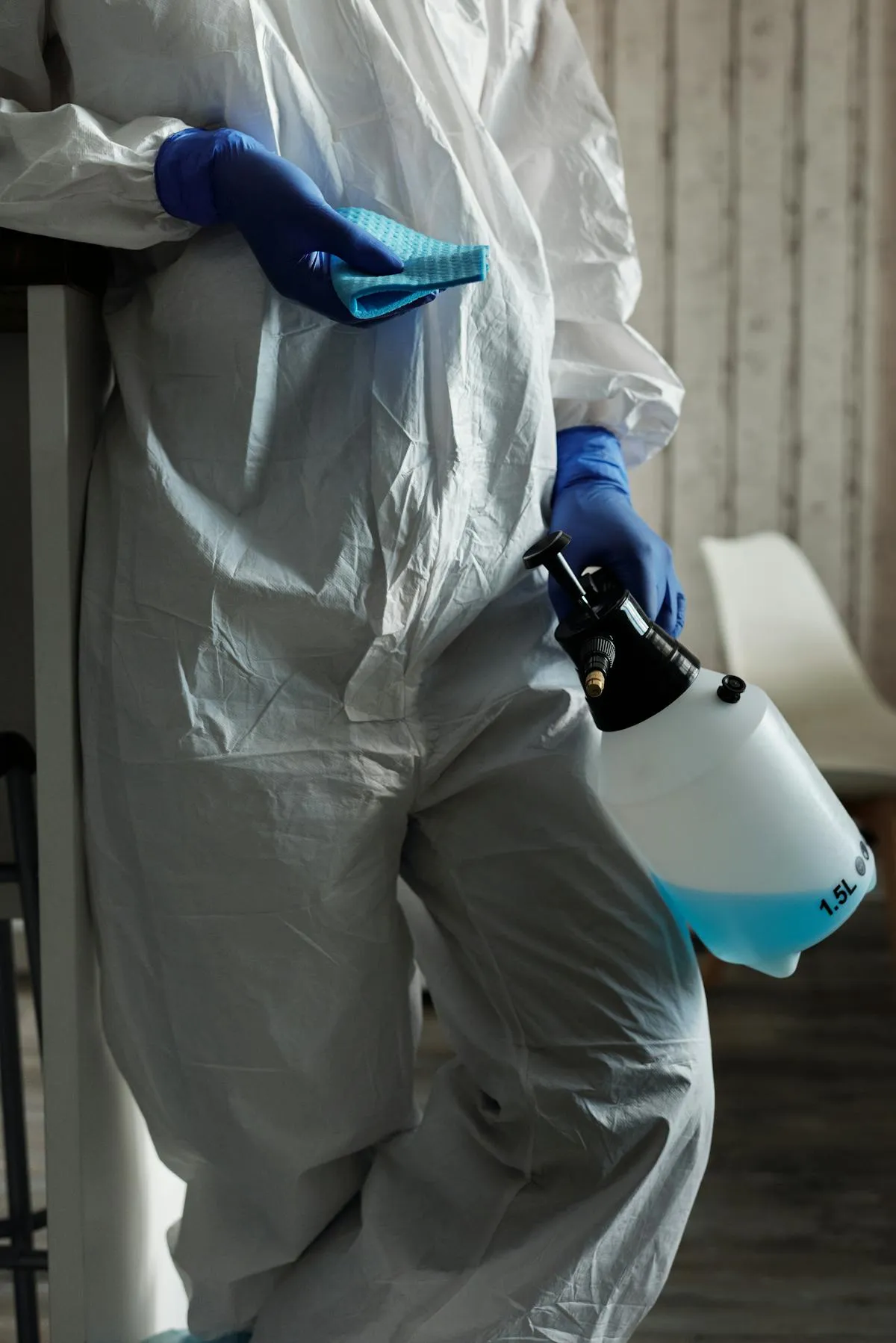
Chemical Dwell Time: How Long to Let It Sit
Understanding chemical dwell time is critical for effective pressure washing. Learn how long to let SH, NaOH, acids, and other cleaners work, plus factors that affect dwell time and how to prevent drying.
Quick Answer
Chemical dwell time is the period cleaning solution remains on a surface before rinsing. For most soft wash applications (1.5% SH on siding), 10-15 minutes is adequate. Heavy growth requires 15-20 minutes. Roof cleaning (3% SH) needs 20-30 minutes. Critical rule: Never let chemical dry completely—it stops working and can leave residues. Keep surface wet by reapplying chemical or misting with water as needed.
Key Takeaways
- Minimum dwell: 10 minutes for light cleaning, 20+ for heavy growth
- Never let dry: Chemical stops working when dry, may cause surface damage
- Weather matters: Hot sun requires shorter dwell or wetting more frequently
- Surface porosity: Porous surfaces (brick, stucco) need longer dwell than non-porous (vinyl)
- Temperature: Warm chemical works faster—cold extends required dwell time
- Visual indicators: Mildew turns brown/white when killed (ready to rinse)
What is Dwell Time?
Dwell time (also called contact time or activation time) is the duration cleaning chemicals remain on a surface to do their work. During this period:
Chemical reactions occur: - SH (sodium hypochlorite) penetrates and kills organic growth - NaOH (sodium hydroxide) breaks down grease through saponification - Acids dissolve mineral deposits and brighten surfaces - Surfactants emulsify soils for easier rinsing Insufficient dwell time = incomplete cleaning Excessive dwell time = wasted time, potential surface damageRecommended Dwell Times by Application
House Washing (SH-Based)
Vinyl siding: - Light mildew: 8-10 minutes - Moderate growth: 10-15 minutes - Heavy growth: 15-20 minutes Stucco and brick: - Light cleaning: 12-15 minutes (porous surface requires more time) - Heavy growth: 20-25 minutes Hardie board (fiber cement): - Standard: 10-15 minutes - Heavy growth: 15-20 minutes Wood siding: - Caution: SH can damage wood—limit dwell to 10 minutes maximum - Consider: Sodium percarbonoate instead (safer for wood)Roof Cleaning (SH-Based)
Asphalt shingles (black streaks): - Standard: 20-30 minutes - Heavy growth: 30-45 minutes - Never let dry: Can cause granule loss Tile roofs: - Standard: 15-20 minutes - Heavy growth: 20-30 minutes Critical: Keep roof wet continuously. Reapply SH solution as needed to prevent drying.Concrete and Flatwork
NaOH-based degreasing: - Light oil: 15-20 minutes - Heavy grease: 20-30 minutes - Keep wet: Reapply if drying visible Acid etching (phosphoric acid): - Standard etch: 10-15 minutes - Heavy deposits: 15-20 minutesWood Cleaning (Sodium Percarbonate)
Decks and fences: - Standard: 15-20 minutes - Heavy weathering: 20-30 minutes - Keep wet: Sodium percarbonate stops working when dryFactors Affecting Dwell Time
Temperature
Hot weather (85°F+): - Chemical works faster (more molecular activity) - Surface dries quicker (reducing effective dwell) - Strategy: Reduce initial dwell estimate by 20-30%, mist frequently to keep wet Cold weather (60°F and below): - Chemical works slower (reduced molecular activity) - Surface stays wet longer (extends effective dwell) - Strategy: Increase dwell time by 50%, consider warm water mixing Ideal temperature: 70-80°F for optimal chemical performance without rapid drying.Sun Exposure
Direct sunlight: - Accelerates drying (reduces effective dwell time) - UV degrades SH (reduces effectiveness) - Strategy: Work early morning/late afternoon, mist frequently Shaded areas: - Slower drying (extends dwell) - Reduced UV degradation (SH more effective) - Strategy: Can use recommended dwell times or slightly lessHumidity
High humidity (70%+): - Slower evaporation (surface stays wet longer) - Extended effective dwell time - Strategy: Slight reduction in dwell time may be appropriate Low humidity (30% and below): - Rapid evaporation (surface dries quickly) - Reduced effective dwell time - Strategy: Mist more frequently, reduce initial dwell estimateSurface Porosity
Non-porous surfaces (vinyl, metal): - Chemical sits on surface - Faster penetration to growth - Dwell: 10-15 minutes usually adequate Porous surfaces (brick, stucco, concrete): - Chemical absorbs into surface - Requires more time to penetrate - Dwell: 15-25 minutes often neededGrowth Severity
Light growth (surface mildew): - Appearance: Light speckling, mostly surface - Dwell: 8-10 minutes adequate Moderate growth: - Appearance: Visible patches, some penetration - Dwell: 10-15 minutes Heavy growth: - Appearance: Thick coverage, deep penetration - Dwell: 15-25 minutes (may require multiple applications) Embedded growth (years of buildup): - Appearance: Cracked, peeling growth layers - Dwell: 20-30 minutes + second applicationKeeping Surface Wet
Why It Matters
Chemical reactions stop when surface dries:
- SH needs moisture to penetrate organic cell walls
- NaOH requires water for saponification
- Acids stop dissolving minerals when dry
- Surfactants can’t emulsify dry soil
Techniques to Keep Wet
Reapplication method: - Apply initial coat - Wait 5-7 minutes - Apply second coat (heavily coated areas) - Wait another 5-10 minutes - Rinse Misting method: - Apply initial coat - Mist with water every 3-5 minutes (doesn't wash off chemical) - Maintain wet surface for full dwell time - Rinse Wet edge technique: - Work in small sections (maintain visible wet edge) - Never let area dry before returning - Overlap sections to prevent dry spots Reducing spray distance: - Hold gun closer to surface (reduces overspray and drift) - Creates thicker film that dries slower - Caution: Too close causes streaking—find balance (6-8 inches typical)Visual Indicators of Completion
SH (Sodium Hypochlorite) on Organic Growth
Color changes indicating effectiveness: - Green algae: Turns brown/white when dead - Black mildew: Turns light gray or white - Live growth: Vibrant green, black, or pink color When to rinse: - Most growth has turned brown/white - Surface no longer has vibrant green/black color - 10-15 minutes minimum has passed (even if visual change occurs sooner)NaOH on Grease
Visual indicators: - Grease lifting: Surface appears lighter, grease breaks up - Emulsification: Grease runs off as brown liquid - Clean streaks: Where brush or surface cleaner passed When to rinse: - Grease has broken up (no longer tacky) - Minimum 15 minutes has passed - Surface appears significantly lighterAcids on Mineral Deposits
Visual indicators: - Efflorescence: White powder dissolves, disappears - Rust stains: Orange/brown color fades - Surface brightening: Concrete, brick appear lighter/cleaner When to rinse: - Deposits have visibly dissolved - Minimum 10 minutes has passed - Surface appears cleanConsequences of Insufficient Dwell
Incomplete Cleaning
Signs: - Growth returns quickly (weeks instead of months/years) - Surface still discolored after rinsing - Grease remains slippery - Mineral deposits still visible Solution: - Reapply chemical - Extend dwell time appropriately - Ensure surface stays wet during dwellChemical Waste
Insufficient dwell = wasted chemical: - Applied chemical didn't complete its job - Need to reapply (double chemical usage) - Wasted money and time Better approach: Get it right the first time with adequate dwell time.Consequences of Excessive Dwell
Surface Damage
SH excessive dwell: - Vinyl: Can cause oxidation, chalky appearance - Wood: Breaks down lignin (permanent damage) - Paint: May discolor or degrade paint - Plants: Increases likelihood of plant damage NaOH excessive dwell: - Concrete: May etch or discolor - Aluminum: Rapid corrosion, white oxidation - Asphalt: Dissolves binder (surface degradation) Acids excessive dwell: - Concrete: Over-etching (rough, pitted surface) - Wood: Fiber damage, excessive lightening - Metal: Pitting and corrosionDiminishing Returns
Chemical effectiveness curve: - First 10 minutes: 80-90% of cleaning occurs - 10-20 minutes: Additional 5-10% improvement - 20+ minutes: Minimal additional benefit, increased risk of damage Rule of thumb: 20 minutes is maximum beneficial dwell for most applications. Beyond that, you're wasting time and risking surface damage.Practical Dwell Time Strategies
Working in Sections
Divide large areas into manageable sections: - Houses: Work one side at a time (apply, rinse, then next side) - Roofs: Work in 10x10' sections (never let roof dry) - Flatwork: Divide into sections you can rinse before drying occurs Benefits: - Manageable to keep wet - Can rinse before chemical dries - Reduced risk of damageTiming Your Work
Ideal conditions: - Overcast days: Slower drying, extended dwell - Early morning: Cooler, less sun, surface not yet hot - Late afternoon: Shade, cooler temperatures Avoid: - Midday sun: Rapid drying, reduced effectiveness - Hot days: Extended work difficult (chemical dries too fast) - Windy days: Accelerates drying, causes driftUsing Surfactants
Surfactants extend dwell time by: - Reducing surface tension (better coverage) - Slowing evaporation (thicker film) - Improving penetration (chemical works deeper) Benefit: Can reduce required dwell time by 20-30% because surfactant improves chemical effectiveness.Related Articles
People Also Ask
Can I leave SH on overnight for better results?
No—causes more harm than good: Problems: - SH will completely dry (stops working) - Leaves salty residue (attracts dirt) - May damage surfaces (prolonged exposure) - Plants have more time to be affected (transpiration in evening) Better approach: Proper dwell time (10-20 minutes) followed by thorough rinsing achieves same or better results without damage.Does rain affect dwell time?
Rain during application: - Light rain: May extend dwell (keeps surface wet) - Heavy rain: Washes chemical off before working (wasted effort) Rain shortly after application: - Before rinsing: Can help rinse (but uneven, may leave streaks) - Best to rinse manually: Control rinsing for even results Strategy: Check weather forecast before starting. If rain likely within 2 hours, reschedule or ensure you can complete job and rinse before rain arrives.How does wind affect dwell time?
Wind accelerates drying in two ways: 1. Evaporation: Moving air increases evaporation rate 2. Drift: Chemical blows away before contacting surface Strategies for windy days: - Work smaller sections (more manageable) - Use wetting agent (surfactant) to slow drying - Spray closer to surface (reduce drift, thicker film) - Work from downwind side (chemical blows onto surface, not away) - Reduce spray pressure (less drift, larger droplets)Can I use too much surfactant to extend dwell time?
Yes—diminishing returns and problems: Too much surfactant causes: - Excessive foaming (tank overflow, application issues) - Sticky residue (harder to rinse) - Attracts dirt (residue remains on surface) - Wasted money (no additional cleaning benefit) Recommended surfactant amounts: - Standard: 8-16 oz per gallon of SH - Maximum: 24 oz per gallon of SH (beyond this, problems outweigh benefits) Better approach: Use recommended surfactant amount and mist surface with water as needed to maintain wetness.Should I use different dwell times for different seasons?
Yes—adjust for temperature and sun: Summer (hot, sunny): - Reduce dwell by 20-30% (chemical works faster) - Mist more frequently (prevent drying) - Work early morning/late afternoon Fall/Spring (moderate): - Use standard recommended dwell times - Ideal working conditions Winter (cold, cloudy): - Increase dwell by 50% (chemical works slower) - Consider warm water mixing (improves effectiveness) - May need mid-day application (avoid freezing temps) General rule: Adjust dwell time based on actual conditions, not calendar season. An 80°F February day requires summer strategy; a 60°F July morning requires spring/fall strategy.Was this article helpful?
Your feedback helps us improve our content.
Related Articles
House Wash Mix Recipes: Professional Ratios for Every Surface
Exact pressure washing chemical mix recipes: SH concentrations, surfactant ratios, and application methods for vinyl siding, stucco, brick, and more.
Sodium Hypochlorite (SH) Guide: Pressure Washing's Primary Chemical
Sodium hypochlorite (SH) for pressure washing: mixing, application, safety, and effectiveness. The foundation of professional exterior cleaning.
Batch Mixing for Soft Wash Systems
Batch mixing soft wash chemicals for consistent results, cost savings, and efficiency. Proper mixing order, safety protocols, and troubleshooting common mixing problems.